
Industrial Weighing & Inspection Equipment
MIQI supplies industrial weighing and inspection equipment for production, packaging and logistics lines. This catalogue brings together checkweighers, metal detectors, X-ray systems, weigh-print-apply equipment, parcel scales, weight graders, packing machines and custom projects.
Start with the task your line must perform, choose the relevant product family, and then compare model specifications. The catalogue has 44 product pages across 10 buying families. The belt combination weigher family also includes MQ-MW2512B12 at its existing product address; it is not an additional machine.
Three performance tiers, one factory
- ▸Accuracy from ±0.02 g
- ▸Range 0.1 – 1000 g
- ▸Multi-lane up to 6 lanes
- ▸Hygienic 304 stainless design
Tablets, capsules, sachets, stick packs, small cosmetics, electronic components
- ▸Accuracy ±0.3 – 3 g
- ▸Range 1 g – 5 kg
- ▸Belt speed up to 90 m/min
- ▸Metal-detector combo available
Snacks, frozen food, bakery, meat trays, sauces, pet food, daily chemicals
- ▸Range up to 80 kg
- ▸Belt speed up to 120 m/min
- ▸Roller or belt conveyor
- ▸Barcode, print, label and DWS integration options
Shipping cartons, appliance boxes, rice/feed bags, parcel sortation, e-commerce
Compare 10 Equipment Families
| Series | Models | Weighing range | Dynamic accuracy | Max speed | Best for |
|---|---|---|---|---|---|
| Automatic checkweighers | 11 | 0.1 g – 80 kg | ±0.02 – 30 g | 90 m/min | 100% inline weight inspection on any packaging line |
| Weigh-print-apply labeling systems | 5 | 1 g – 50 kg | ±0.5 – 2 g | 15 – 50 pcs/min | Weigh, print and apply labels in one pass (top / side / bottom) |
| In-motion parcel weighing systems | 3 | 1 g – 60 kg | ±1 – 50 g | 120 m/min | Parcel weight verification, barcode, print, label and sort integration |
| Metal detectors & combos | 4 | combo: 1 – 2000 g | Fe from 0.1 mm | 28 m/min | Ferrous / non-ferrous / stainless contaminant detection, foil packs |
| X-ray inspection machines | 2 | products under 10 kg | SUS 0.4 mm · glass 1.0 mm | 60 m/min | Metal, glass, stone, ceramic and dense-plastic foreign objects |
| Forward/reverse sorting scales | 2 | 1 – 1000 g | ±0.02 – 1 g | 70 packs/min | Accept/reject sorting for traditional & specialty foods |
| Weight sorters / graders | 4 | 1 g – 2 kg | ±0.3 – 2 g | 300 m/min (disc) | Grading seafood, poultry, crayfish, fruit into weight bands |
| Weighing & counting packers | 1 | 200 g – 5 kg/bag | 0.5 – 10 g | 4 – 6 bags/min | Hardware, granules and mixed parts bagging |
| Custom machines | 12 | built to spec | built to spec | built to spec | Bottle-clamping, explosion-proof, vision+weight, air-cargo, dual-channel |
| Belt-fed combination weigher | 1 shared product | 10–2000 g combined | ±0.1–3 g stated | 30 packs/min stated | Portion batching of suitable fresh or sticky products; sample trial required |
Family ranges summarize different models and operating conditions; they are not a performance promise for every product. The belt combination family reuses an existing product page, so model counts must not be added together.
Equipment Quote Factors
Compare quotations for the same task, product, throughput, accuracy or detection requirement, handling, data interfaces and acceptance test. A weighing line, metal detector and packing cell have different specification drivers.
| Compact dynamic checkweigher | Project quote | Product, tolerance, speed, platform and reject method |
| Industrial food / packaging line | Project quote | Hygiene, line integration, data and reject confirmation |
| Multi-lane / high-precision system | Project quote | Lane count, filler pitch, product handling and validation |
| Food X-ray inspection | Project quote | Tunnel, product test, contaminant target, shielding and service scope |
Send target weight, tolerance, packs per minute, pack dimensions, photographs and the required reject or interface. MIQI can then identify a documented model and arrange representative sample testing before the final specification.
Choose Equipment by the Job Your Line Must Perform
- 1Check final pack weight
Choose a checkweigher for underweight or overweight packs. Product spacing, tolerance and reject handling determine the configuration.
- 2Inspect for foreign objects
Compare metal detection and X-ray against the actual contaminant, package and product. Confirm detection and rejection with representative samples.
- 3Route products or create portions
Use weight grading for multiple output classes, a forward-reverse sorting scale for suitable limited discharge paths, or a combination weigher to form portions before packing.
- 4Print labels, weigh parcels or pack parts
Choose labeling, logistics weighing or weighing-and-counting packing according to the required output. Barcode, dimensioning, counting and sealing functions need their own agreed scope.
- 5Review a custom layout
Use the custom range when handling, footprint or interfaces exceed a standard model. Supply samples, line drawings and acceptance criteria before the design is agreed.
Dynamic checkweigher vs static scale: which do you need?
Static weighing measures an item at rest; dynamic checkweighing measures products in motion. The choice depends on throughput, handling, inspection coverage and the required records. There is no universal production-rate threshold that determines the right equipment.
| Static scale | Dynamic checkweigher | |
|---|---|---|
| Product state | At rest during measurement | Moving through the weighing section |
| Feeding | Manual or automated, depending on system | Controlled conveyor feed and spacing |
| Decision | Operator or configured control | Configured limits and downstream handling |
| Records | Depend on the selected scale and workflow | Depend on model and agreed data interface |
| Verification | Validate the intended operating method | Validate with product at operating speed |
Belt-Fed Combination Weighers
A belt-fed combination weigher portions sticky, fresh, delicate and irregular products by combining multiple small weights toward a target. The MQ-MW2512B12 uses 12 independent belt-fed weighing heads and is configured around the actual product, target portion and required throughput; sample testing is recommended before final selection.
Automatic Checkweighers
In-motion weight inspection from ±0.02g, auto rejection
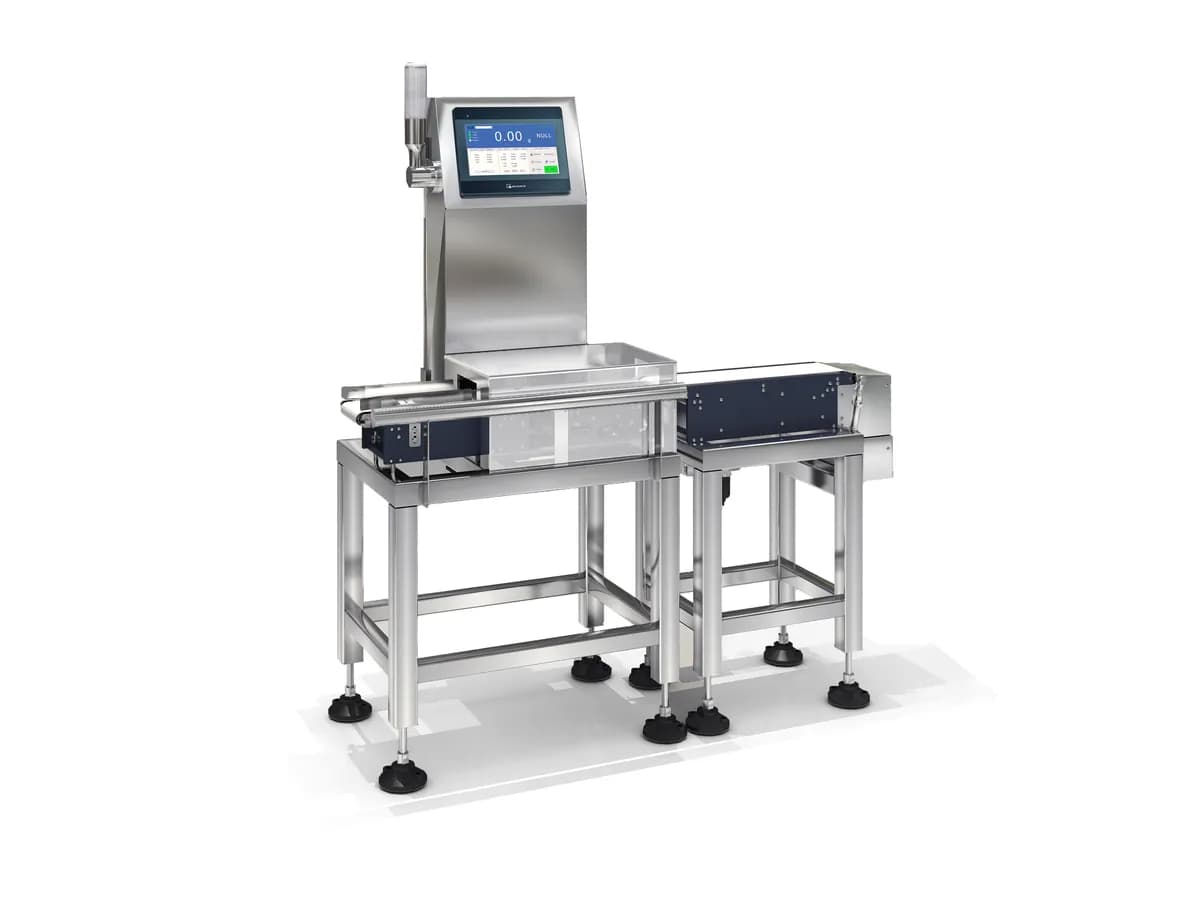
High-Precision Tablet Checkweigher
- Weighing range: 1-1000g
- Weighing accuracy: ±0.03-0.1g
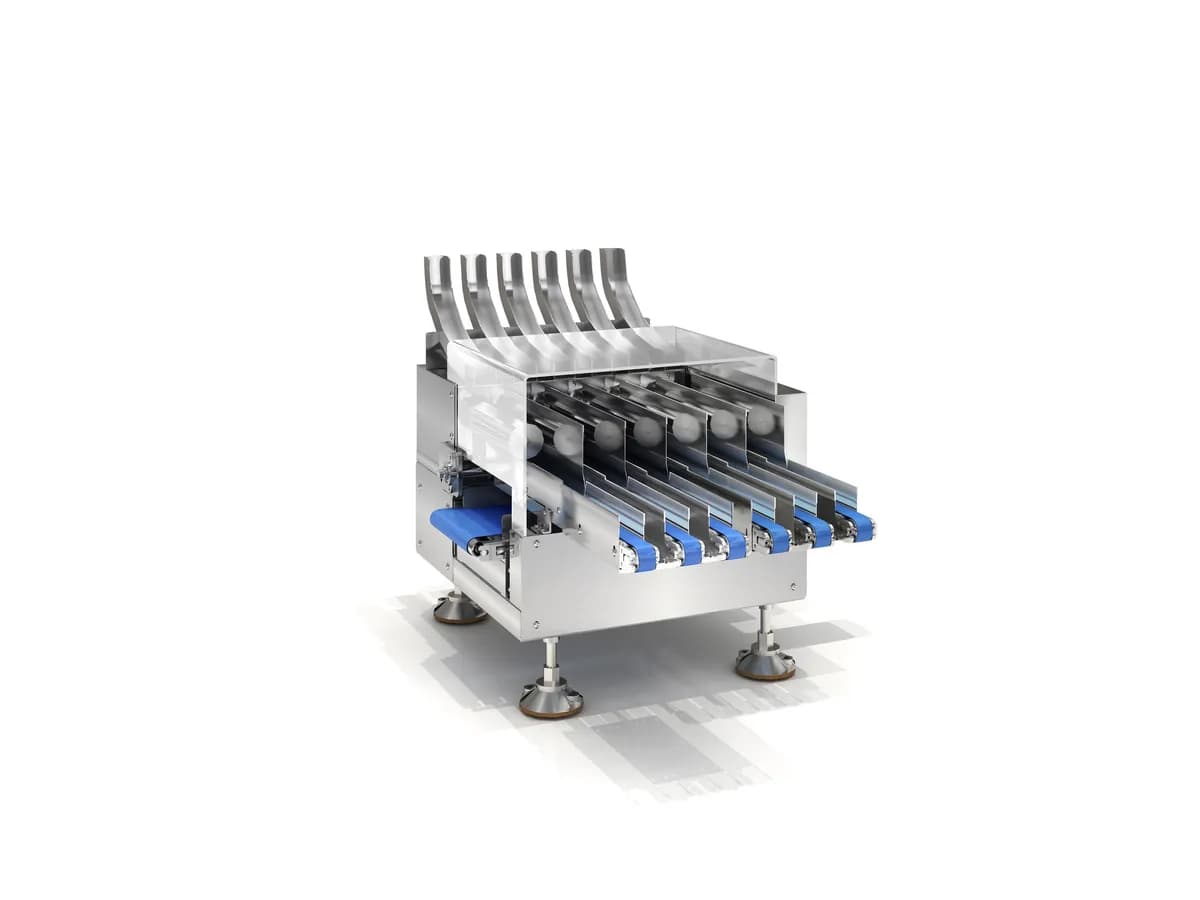
High-Precision Multi-Lane Checkweigher
- Weighing range: 0.1-100g
- Weighing accuracy: ±0.02-0.05g
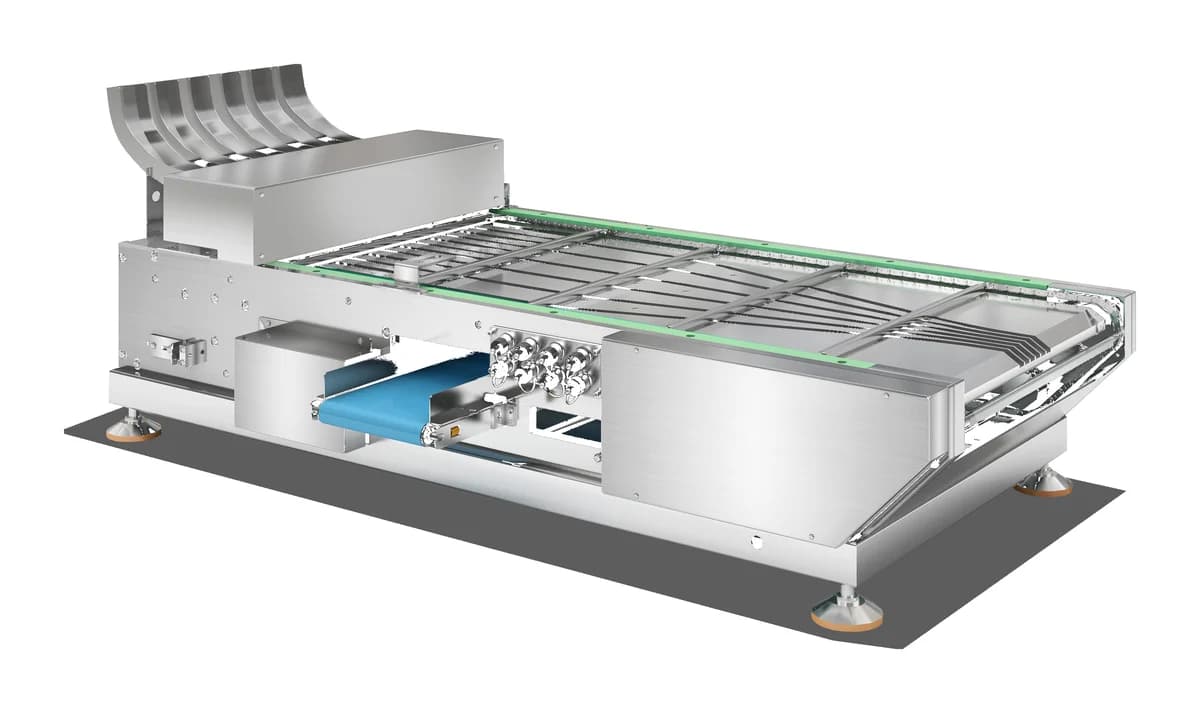
Scraper-Type High-Precision Multi-Lane Checkweigher
- Weighing range: 0.1-100g
- Weighing accuracy: ±0.02-0.05g
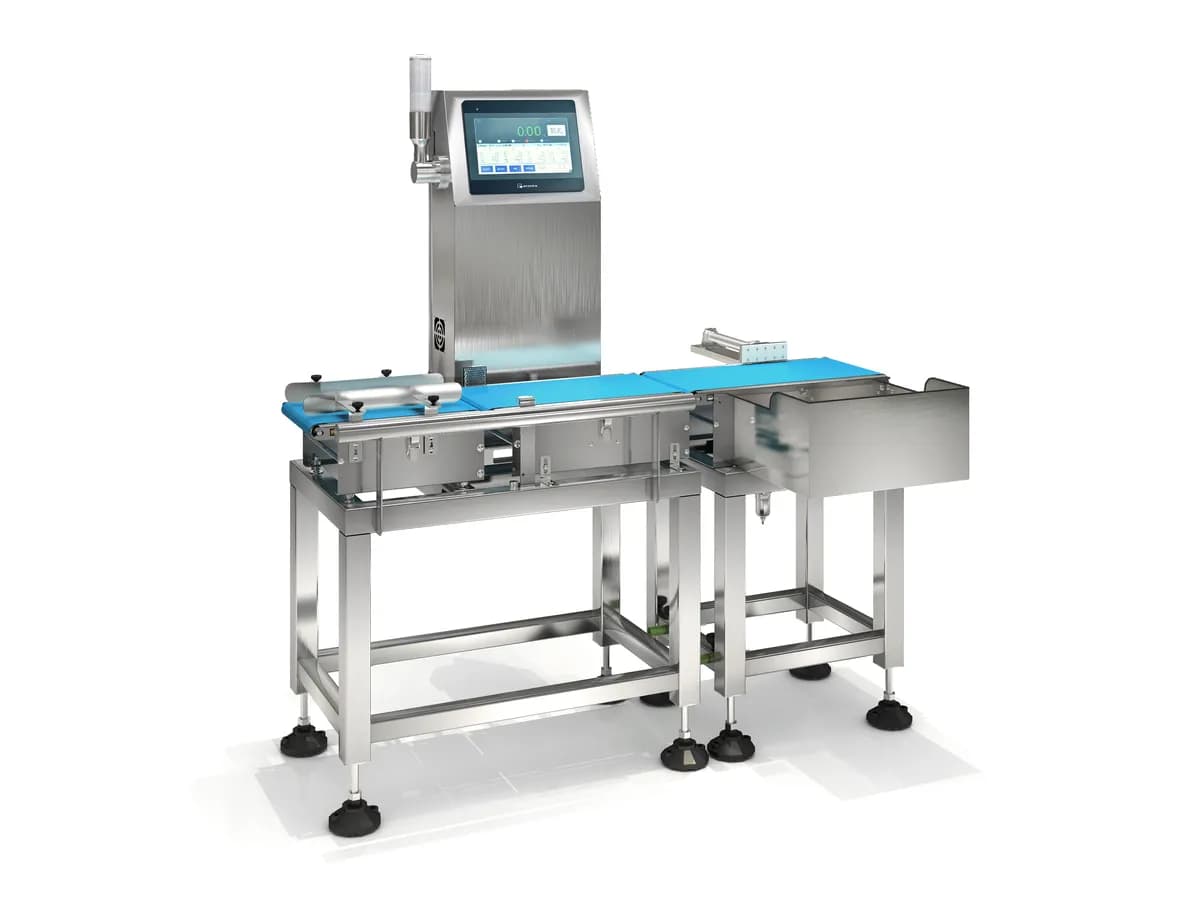
Food Missing and Extra Content Checkweigher
- Weighing range: 1-3000g
- Weighing accuracy: ±0.3-2g
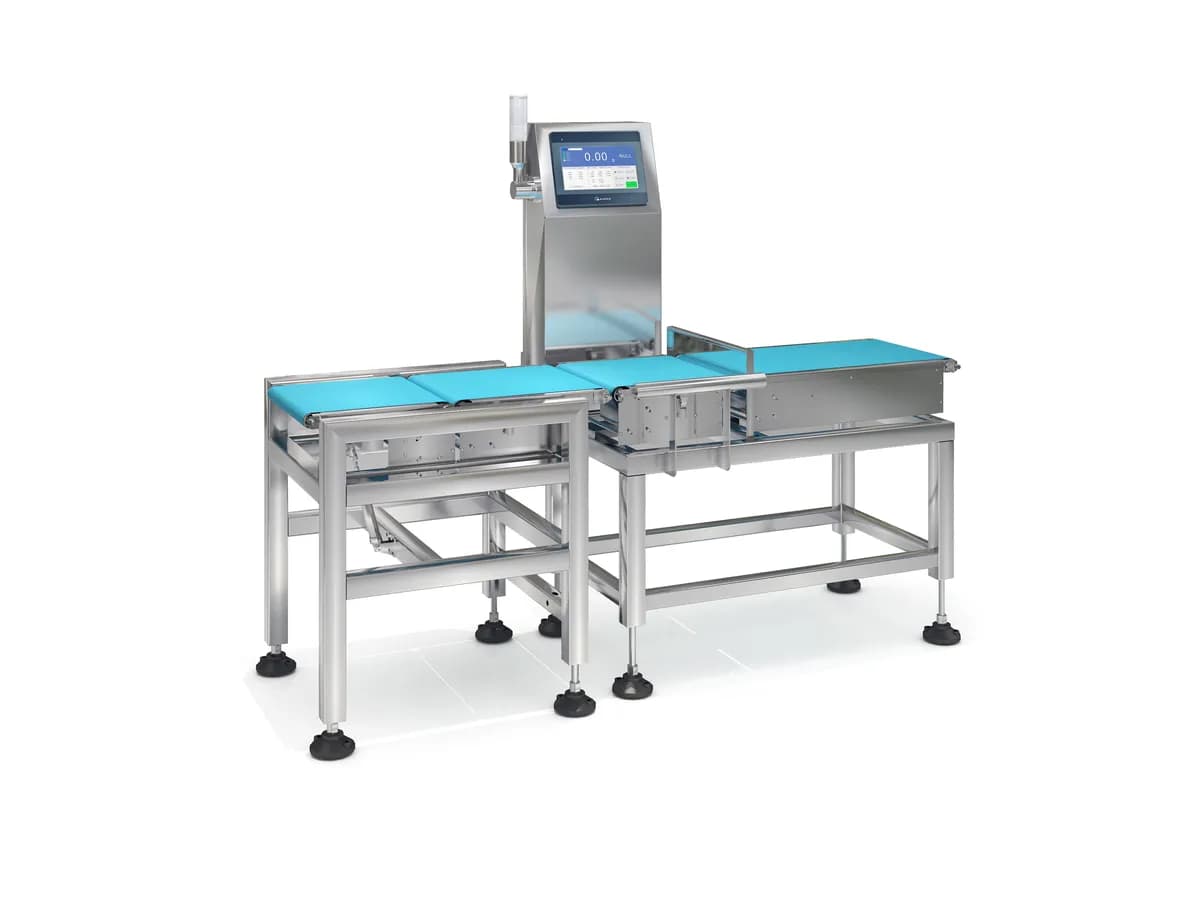
High-Speed Dynamic Book Checkweigher
- Weighing range: 1-5000g
- Weighing accuracy: ±0.5-3g
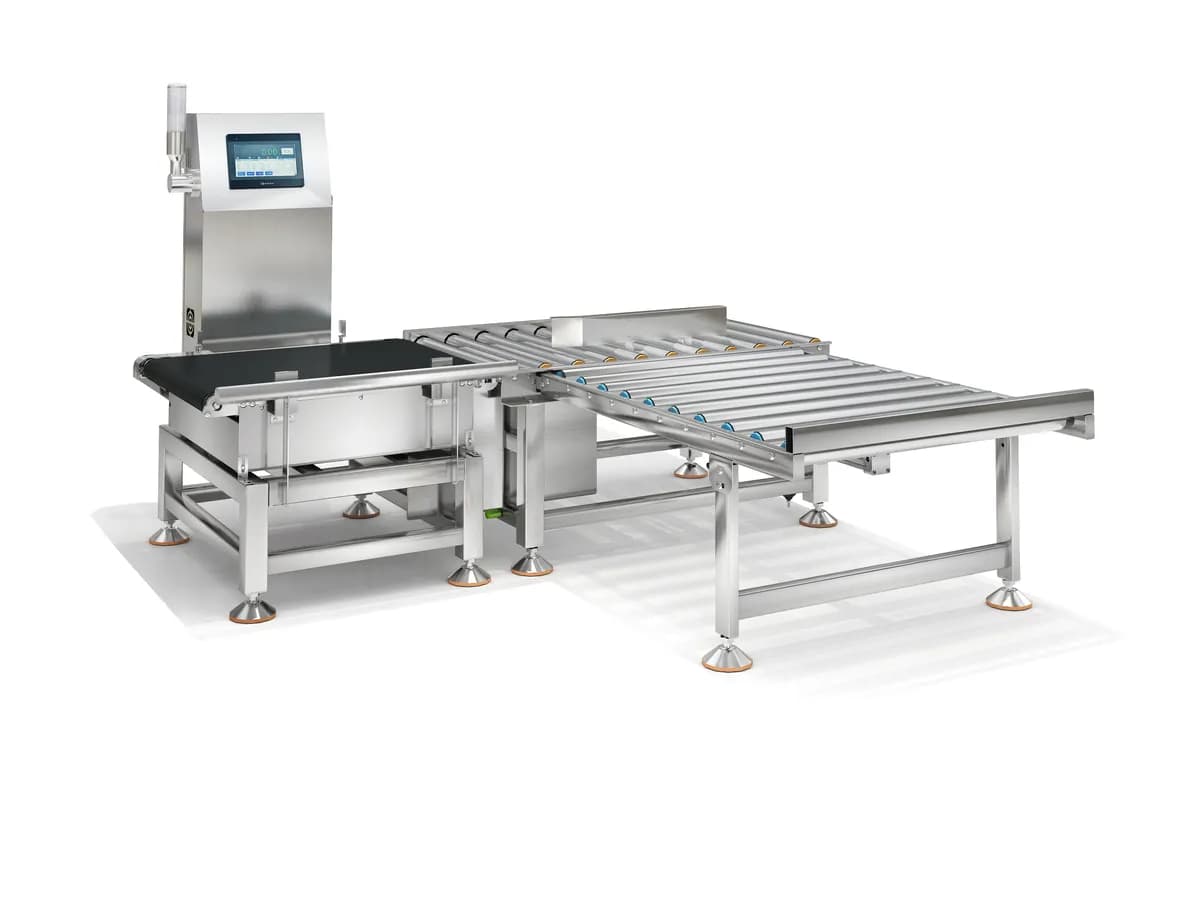
Automatic Checkweigher
- Weighing range: 0.05-30kg
- Weighing accuracy: ±3-10g
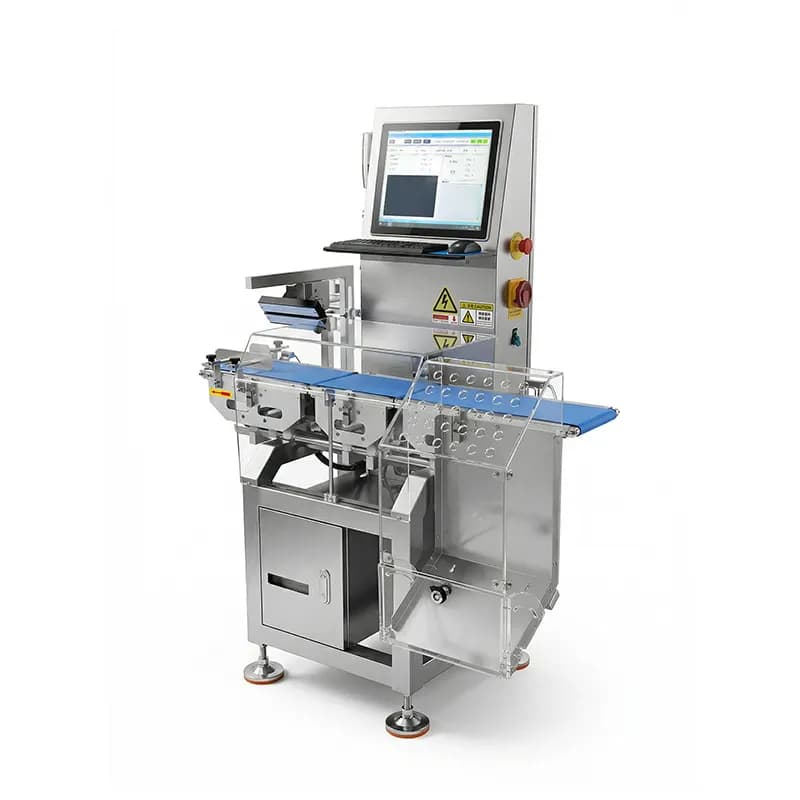
Integrated Vision Inspection and Checkweighing Machine
- Weighing range: 1-1000g
- Weighing accuracy: ±0.05-0.3g
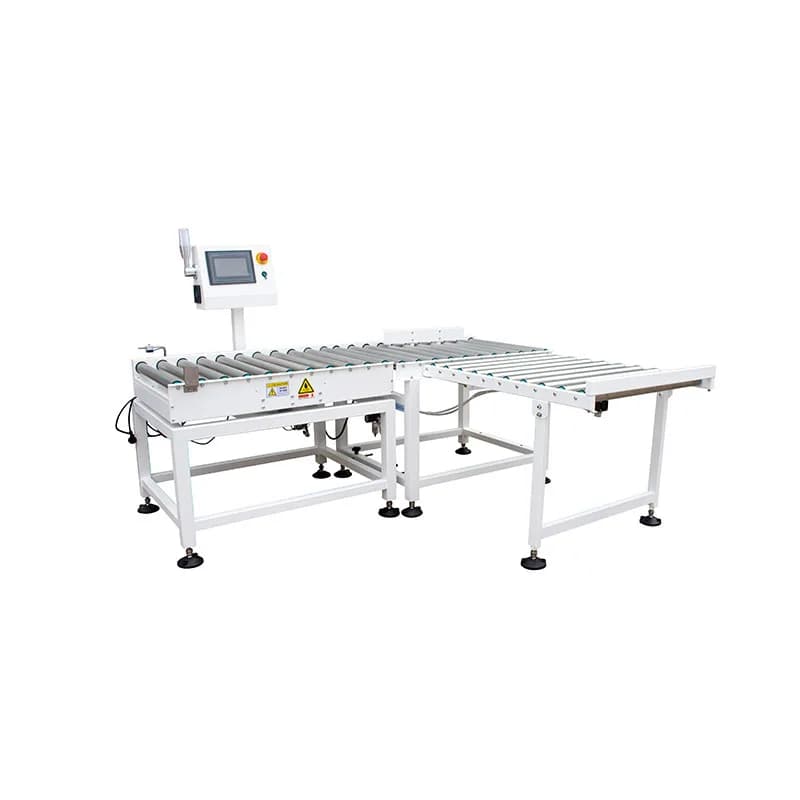
Powered Roller Checkweigher
- Weighing range: 1-30kg
- Weighing accuracy: ±15-30g
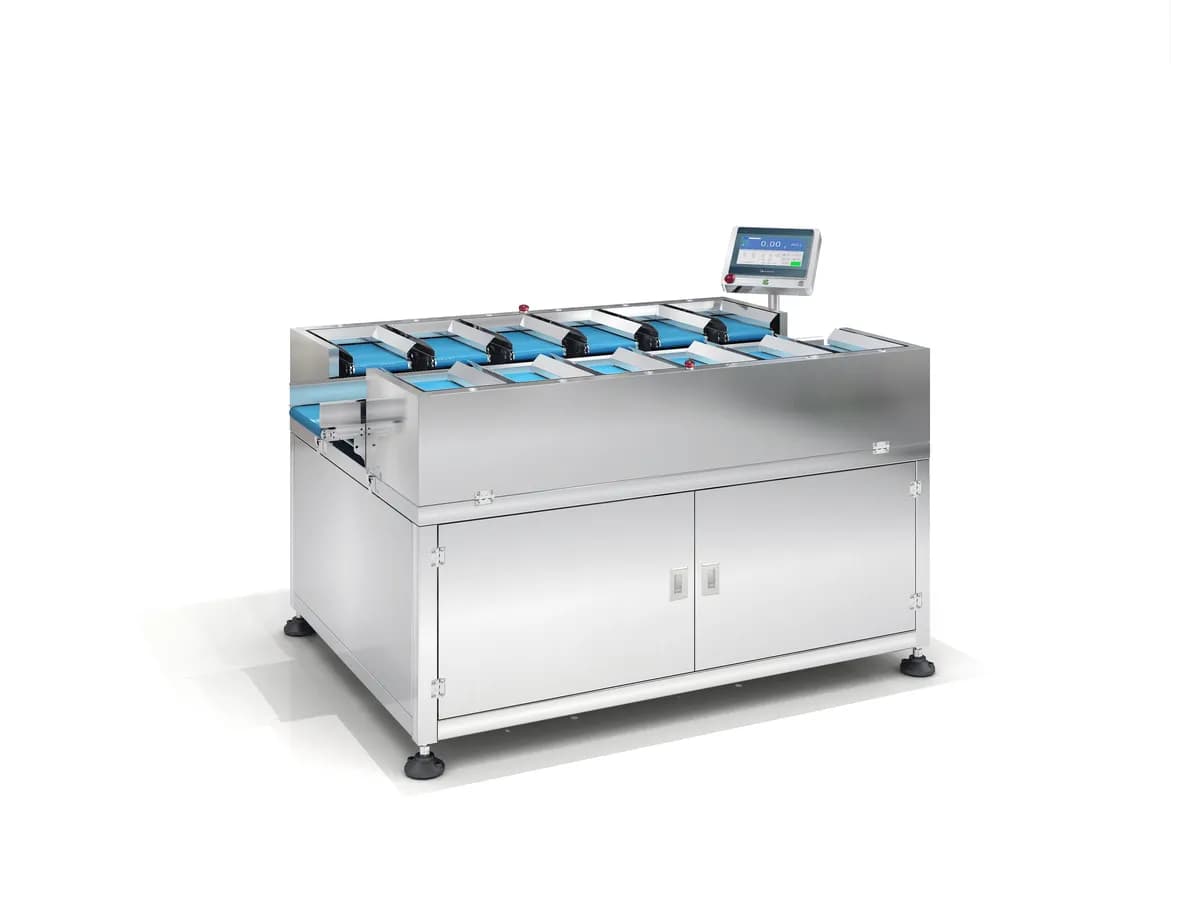
High-Precision Belt-Type Combination Weigher
- Combined weighing accuracy: ±0.1-3g
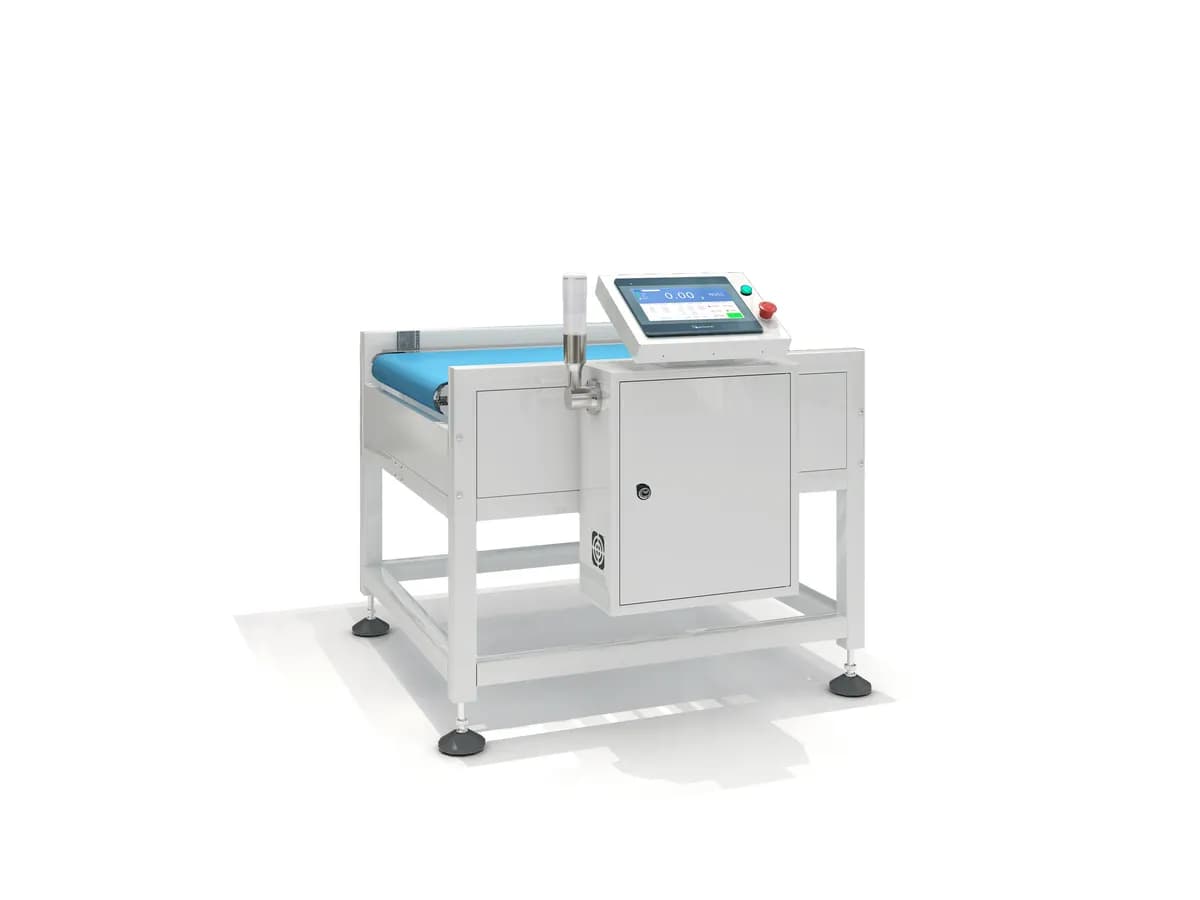
Home Appliance Carton Checkweigher
- Weighing range: 0.05-50kg
- Weighing accuracy: ±5-20g
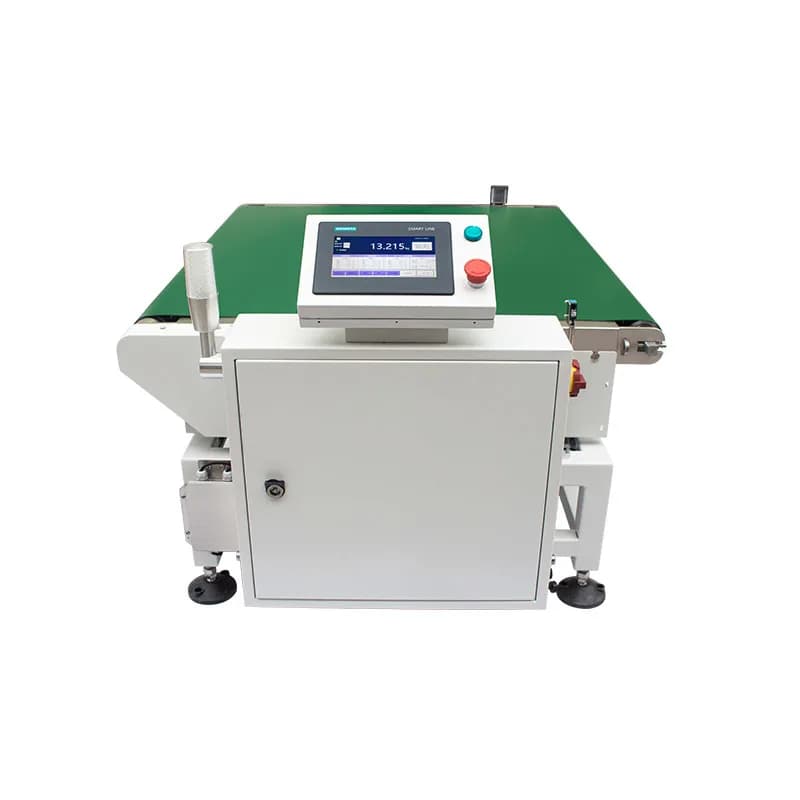
High-Precision Carton Checkweigher
- Weighing range: 1-80kg
- Weighing accuracy: ±10-30g
Weigh-Price Labeling Machines
Weigh, print and apply labels in one pass, MES/ERP ready
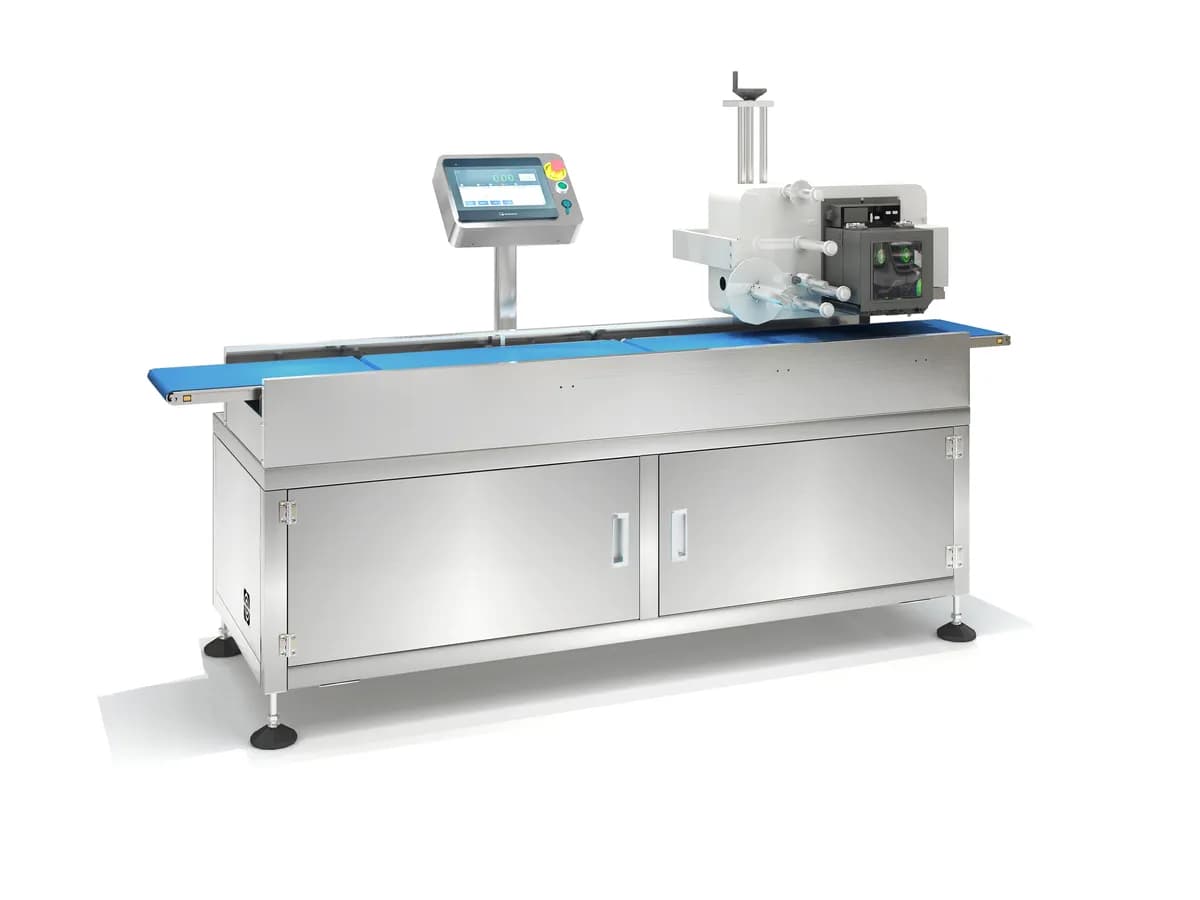
Non-Contact Automatic Weighing, Instant Printing and Labeling Machine
- Weighing range: 1-5000g
- Weighing accuracy: ±0.5-2g
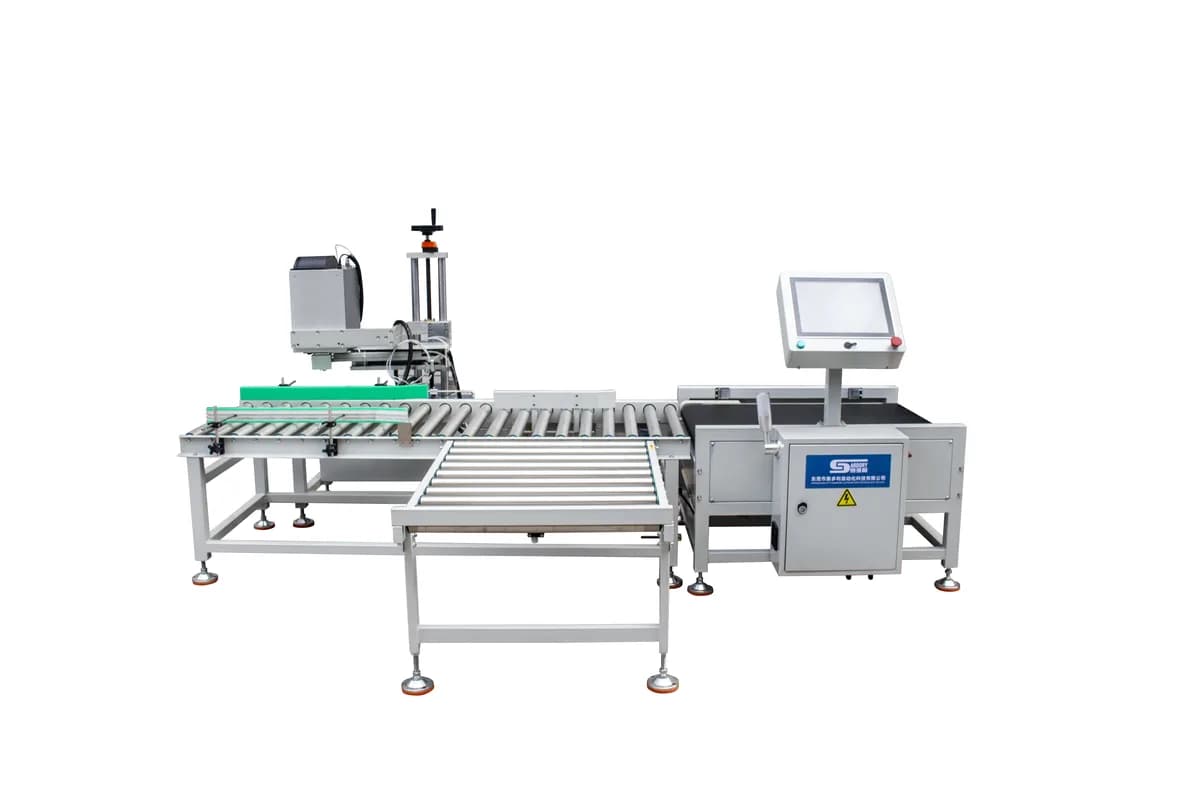
Automatic Scanning, Weighing, Instant Printing and Labeling Machine for Enameled Wire
- Weighing range: 10g-50kg
- Weighing accuracy: ±0.5-2g
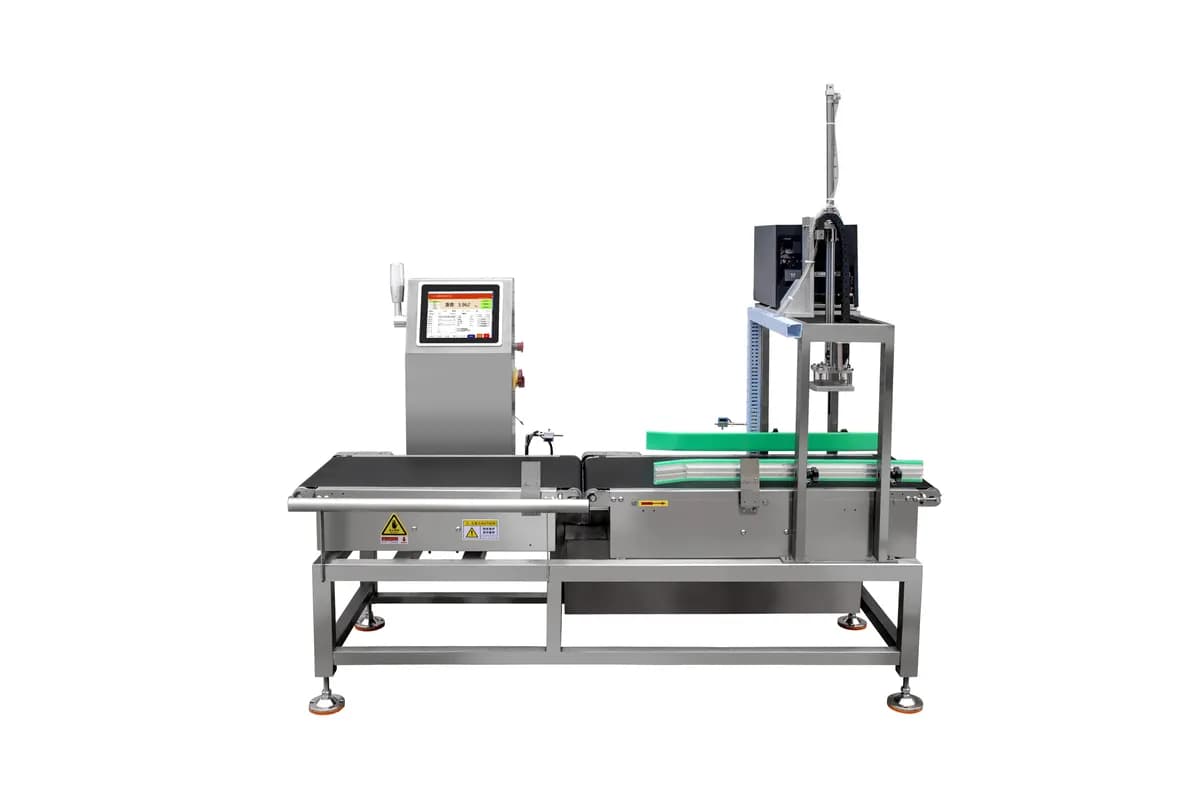
Fully Automatic Weighing, Instant Printing and Side-Labeling Machine for Outer Cartons
- Weighing range: 1-30kg
- Weighing accuracy: ±0.5-2g
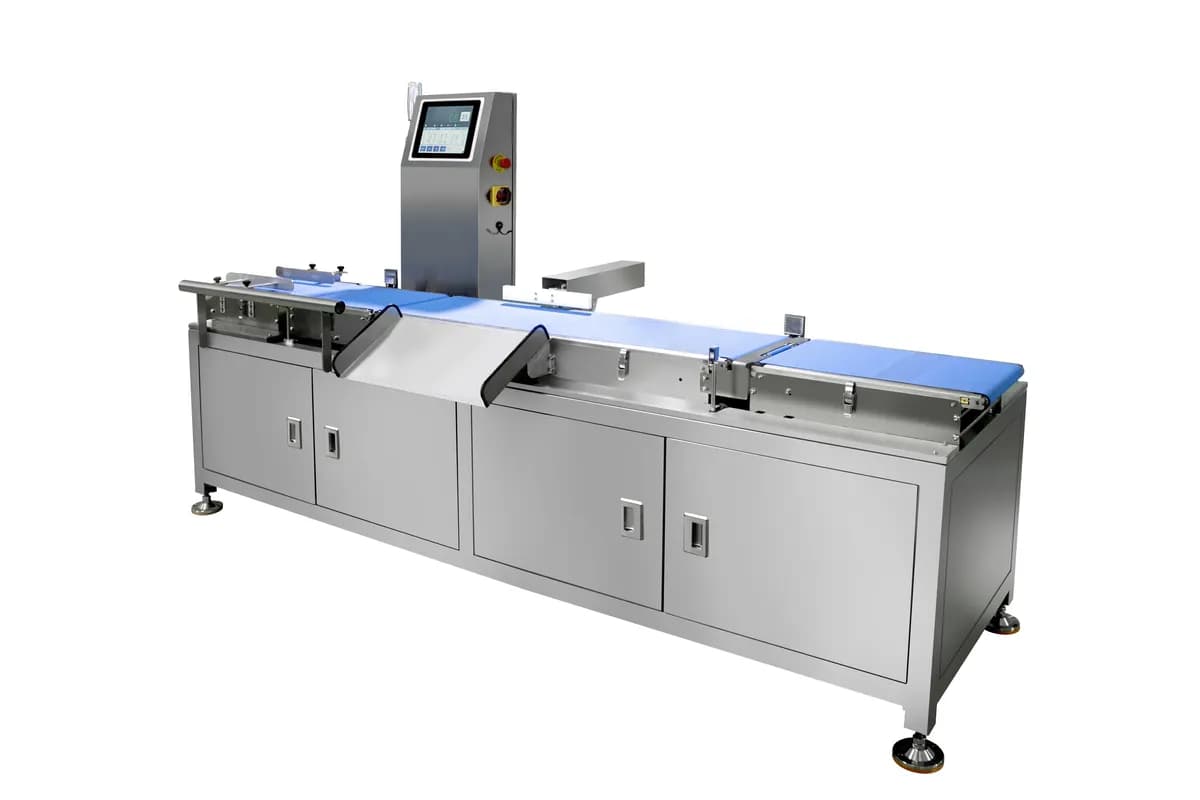
Automatic Weighing and Instant Print-and-Apply Labeling Machine
- Weighing range: 10g-50kg
- Weighing accuracy: ±0.5-2g
Instant Print-and-Apply Labeling Machine
- Labeling accuracy: ±2-10mm
Logistics Weighing (DWS)
Parcel weighing at up to 120 m/min for e-commerce hubs
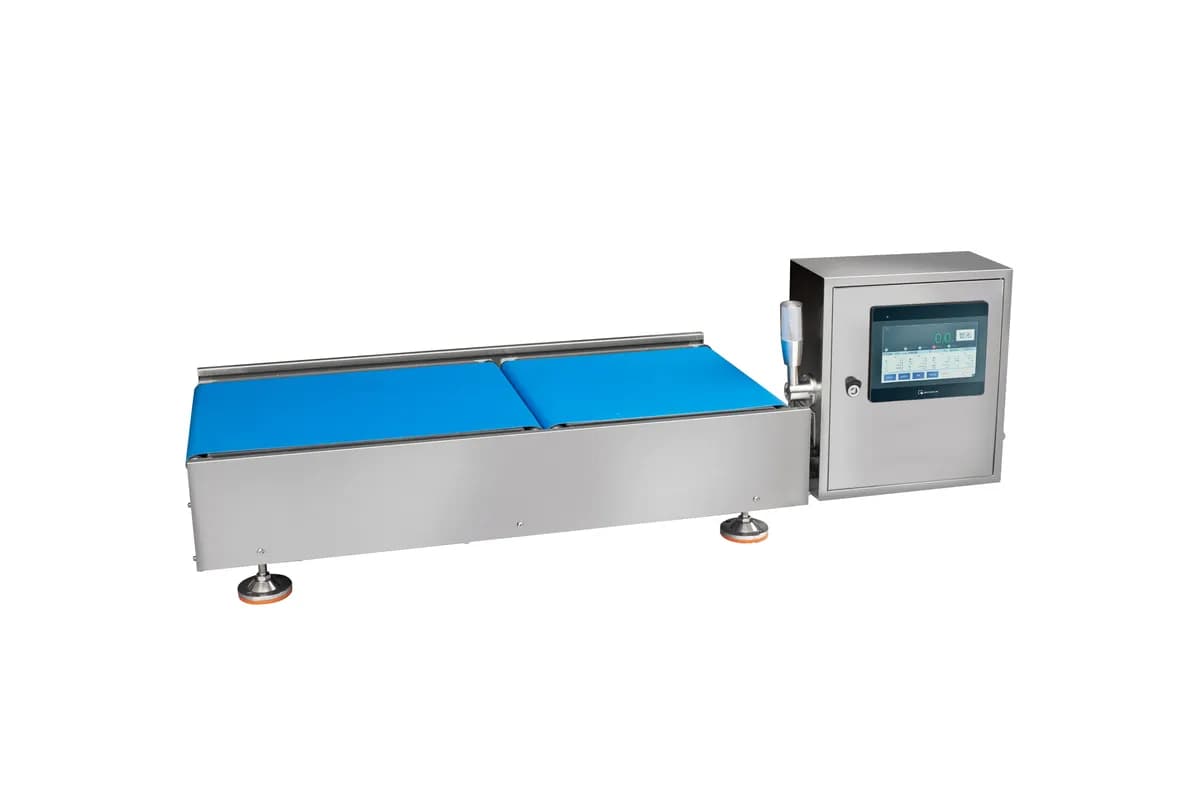
High-Speed High-Precision Automatic Weighing Machine
- Weighing range: 1-5000g
- Weighing accuracy: ±1-5g
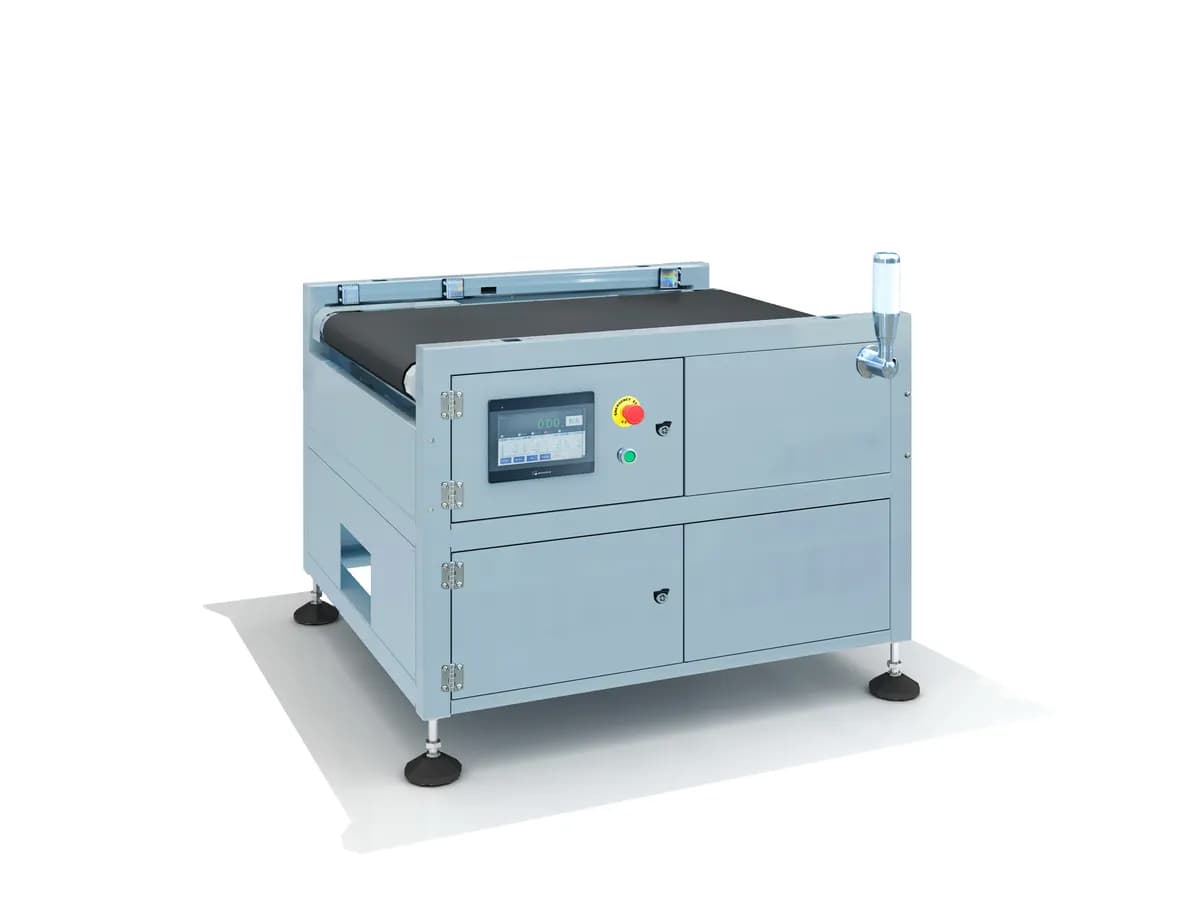
High-Speed Logistics Scale
- Weighing range: 1-60kg
- Weighing accuracy: ±10-20g
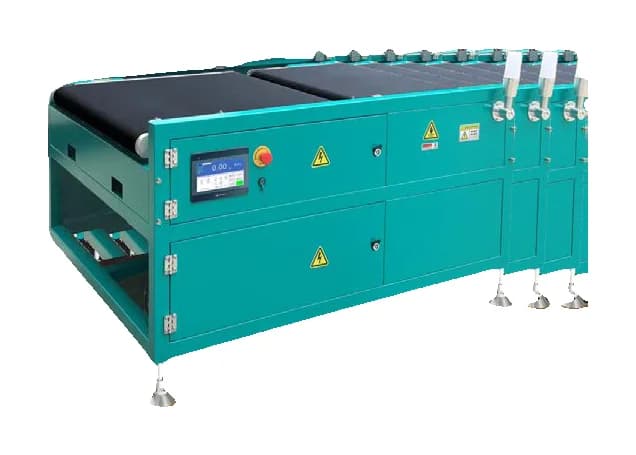
High-Speed Logistics Scale (Dual-Platform)
- Weighing range: 200g-50kg
- Weighing accuracy: ±50g
Metal Detection
Fe / non-Fe / SUS detection, combo units available
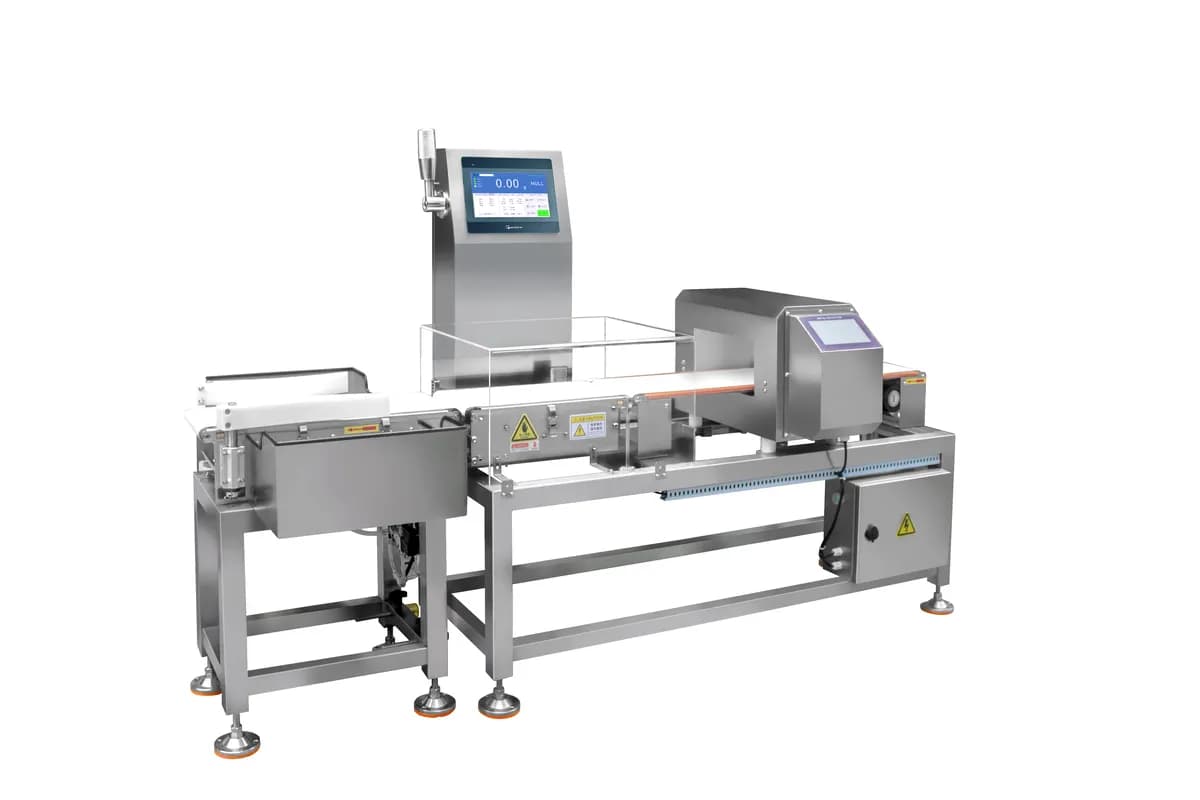
Combined Metal Detector and Checkweigher
- Weighing range: 1-2000g
- Weighing accuracy: ±0.3-1g
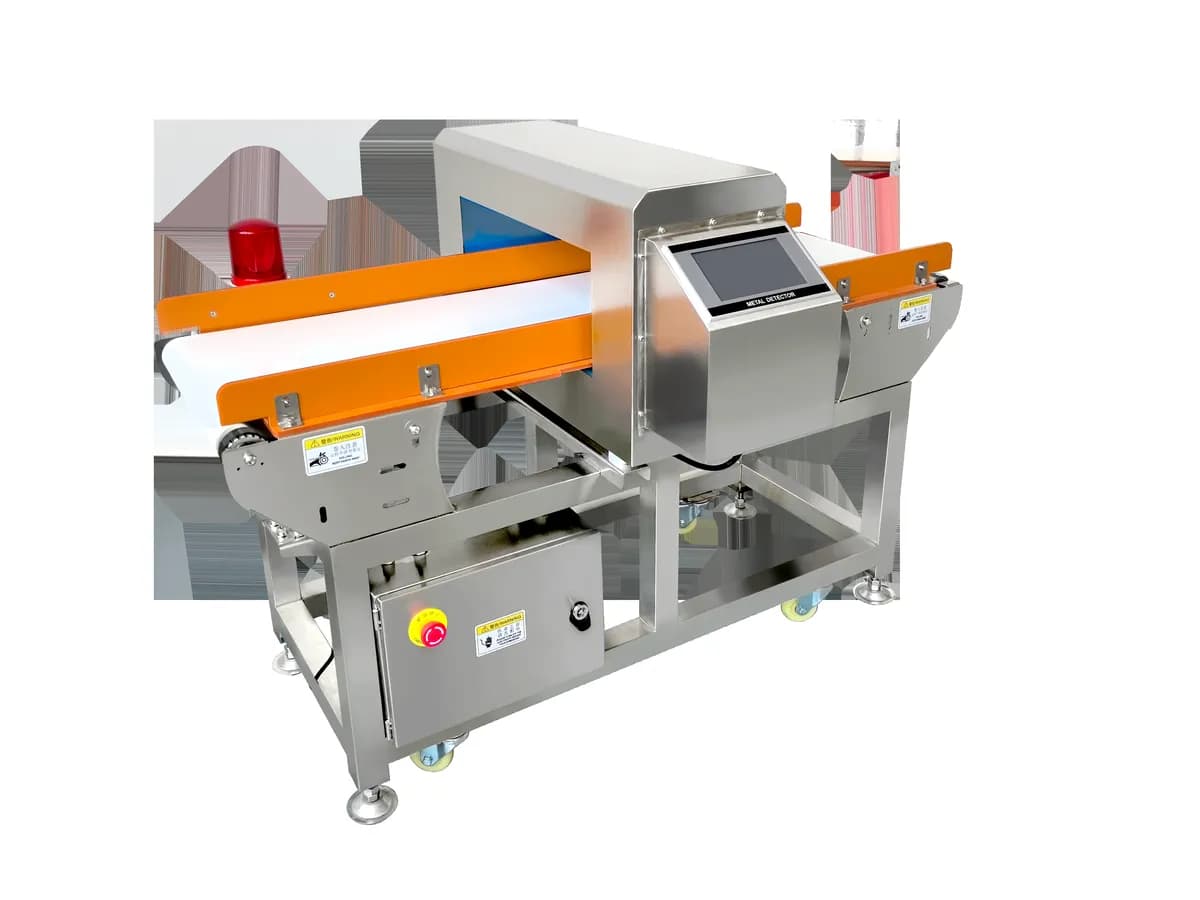
Metal Detector
View Specs & Price →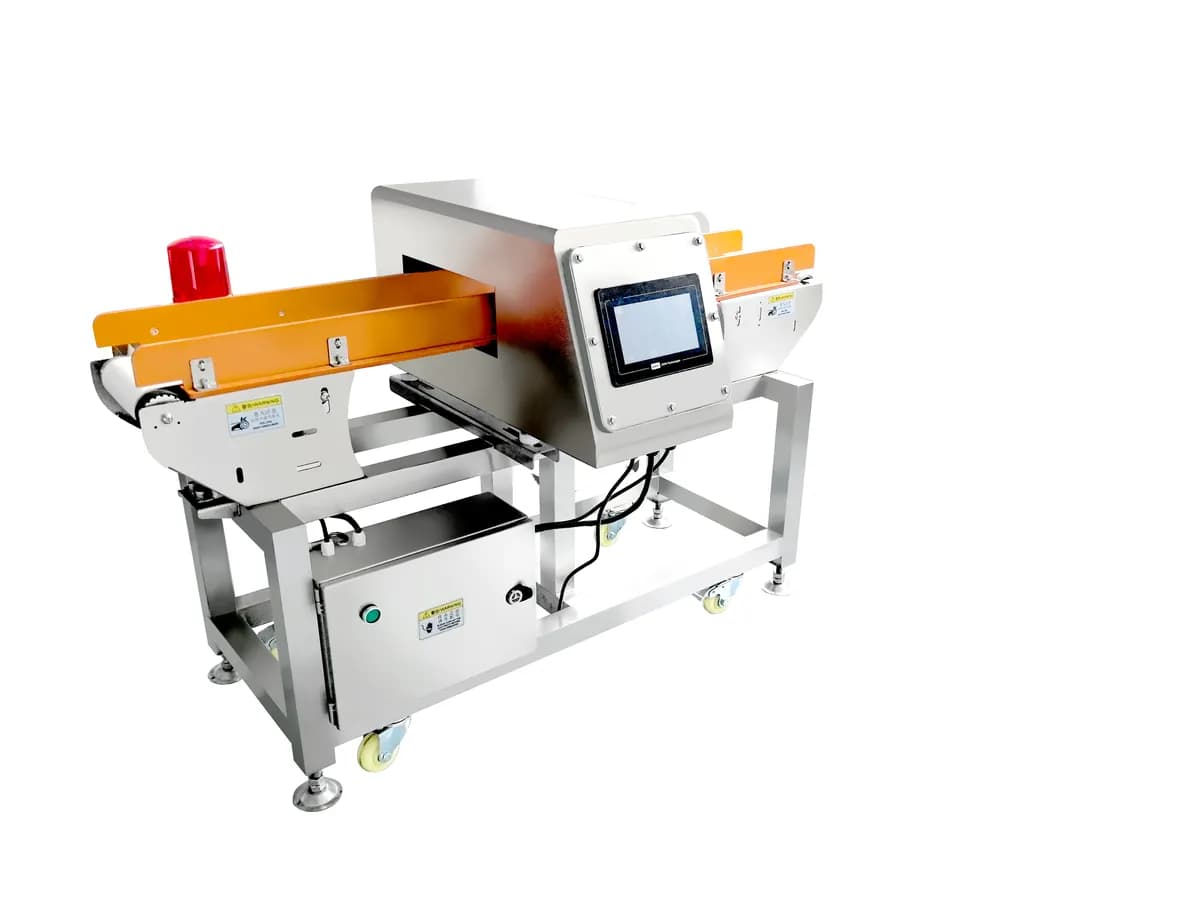
Aluminum Foil Metal Detector
View Specs & Price →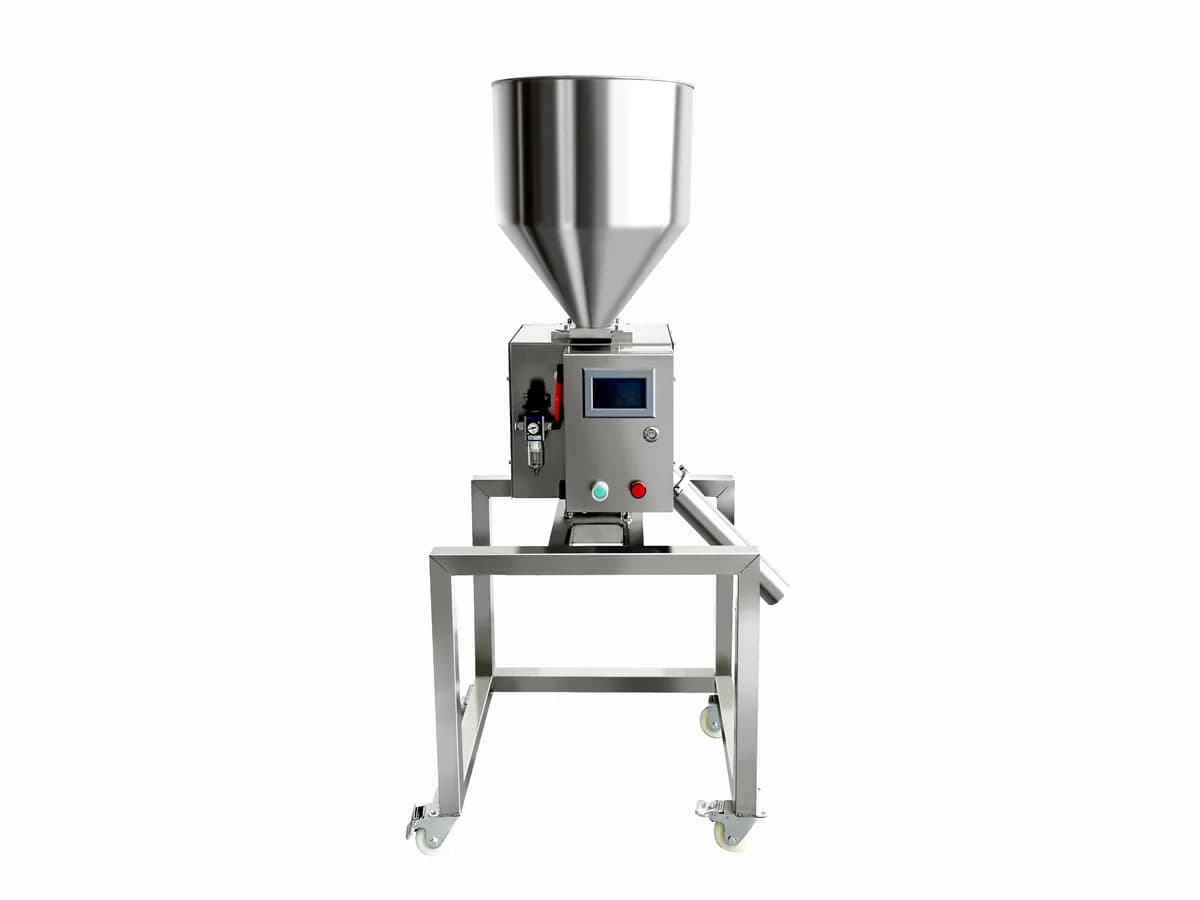
Metal Separator
- Ferrous (Fe) detection accuracy: MQ-MC-25:0.1~0.2mm; MQ-MC-30:0.2~0.3mm; MQ-MC-50:0.3mm; MQ-MC-70:0.5mm; MQ-MC-100:0.8mm
X-Ray Inspection
Detects metal, glass, ceramic, stone — plus missing parts
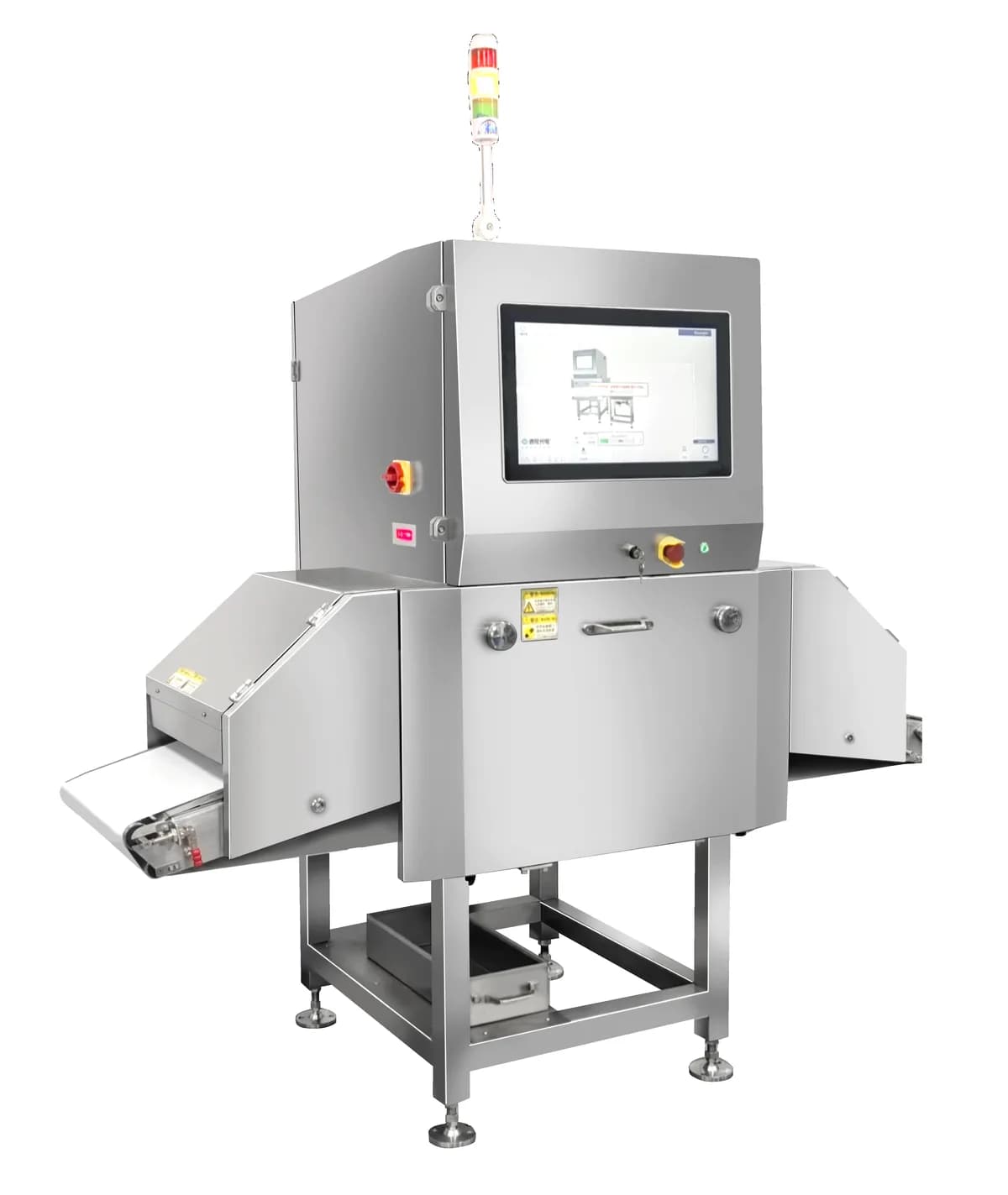
Standard X-Ray Inspection System for Bagged Products
- Empty-machine detection accuracy: SUS ball: 0.4 mm; glass: 1.0 mm; ceramic: 1.0 mm; SUS wire: 0.2 × 5 mm
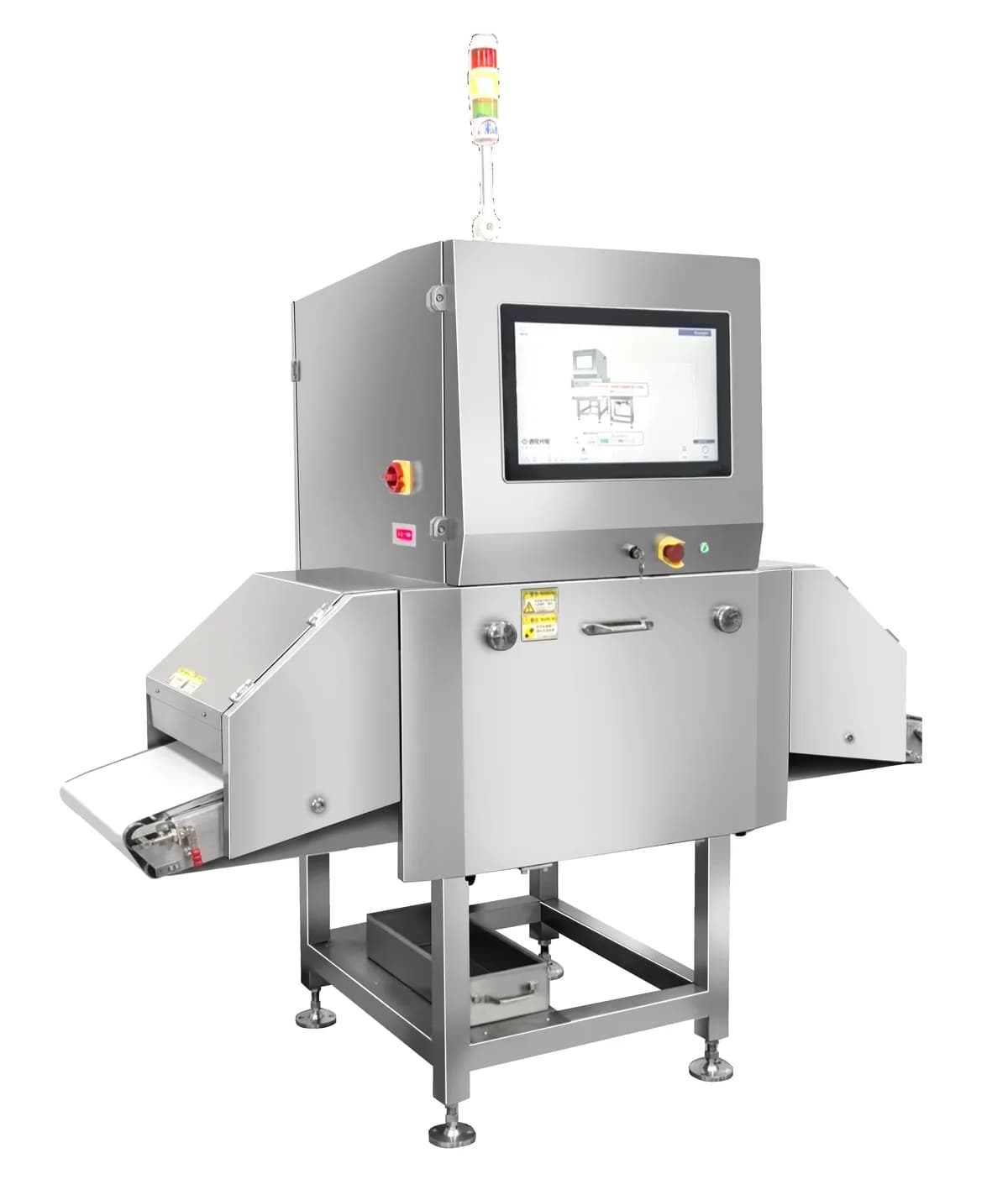
High-Precision X-Ray Inspection System for Bagged Products
- Empty-machine detection accuracy: SUS ball: 0.4 mm; glass: 1.0 mm; ceramic: 1.0 mm; SUS wire: 0.2 × 5 mm
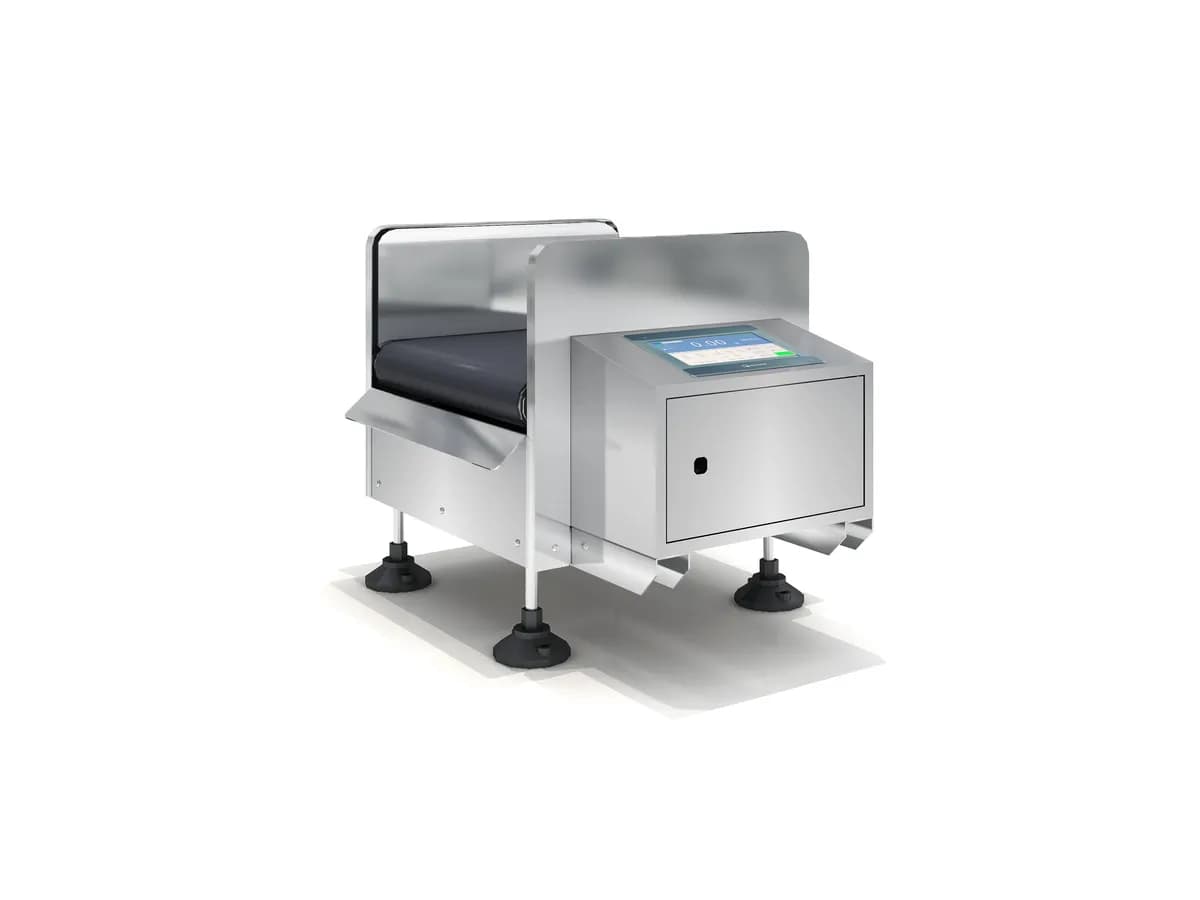
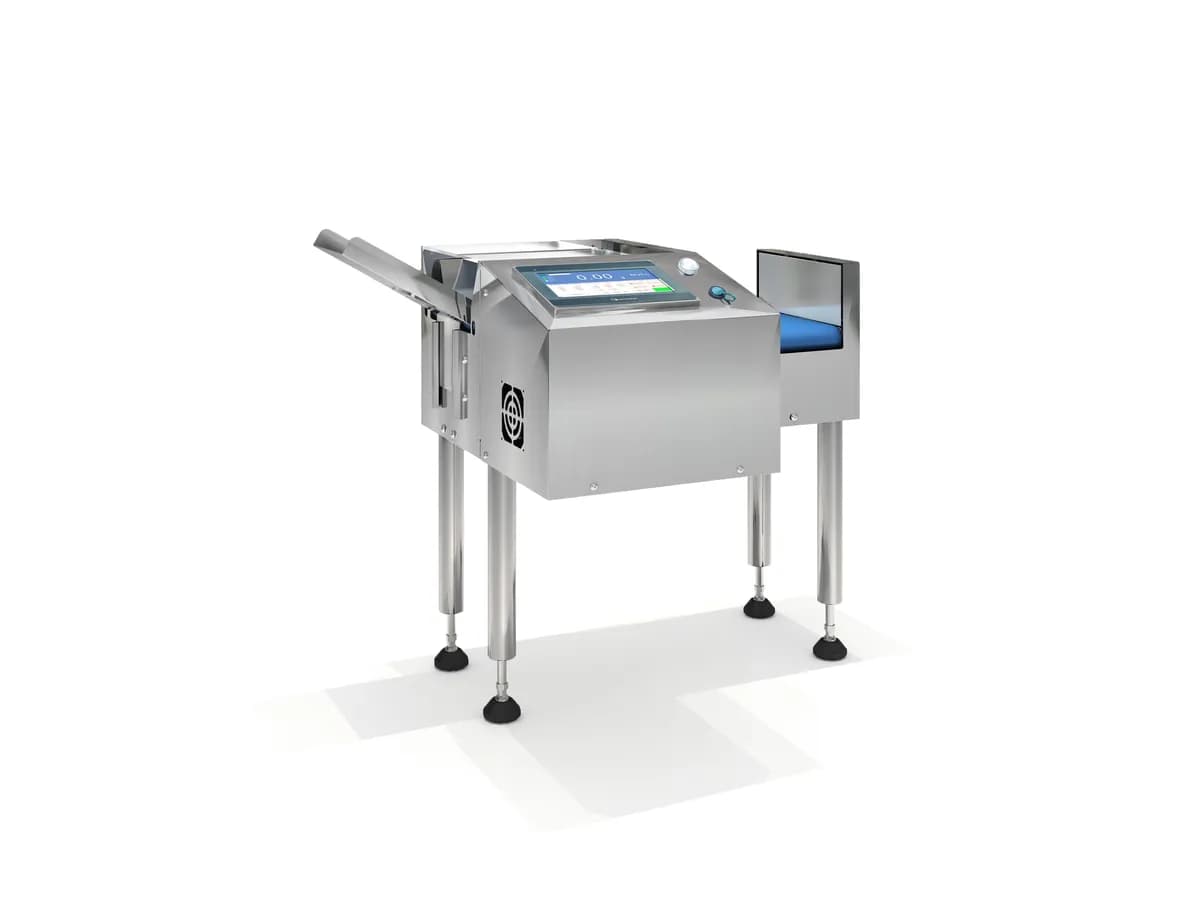
Rotary Sorting Scales
Forward/reverse belt sorting for small packaged goods
Weight Sorters
Multi-grade sorting up to 20 grades, IP65 washdown options
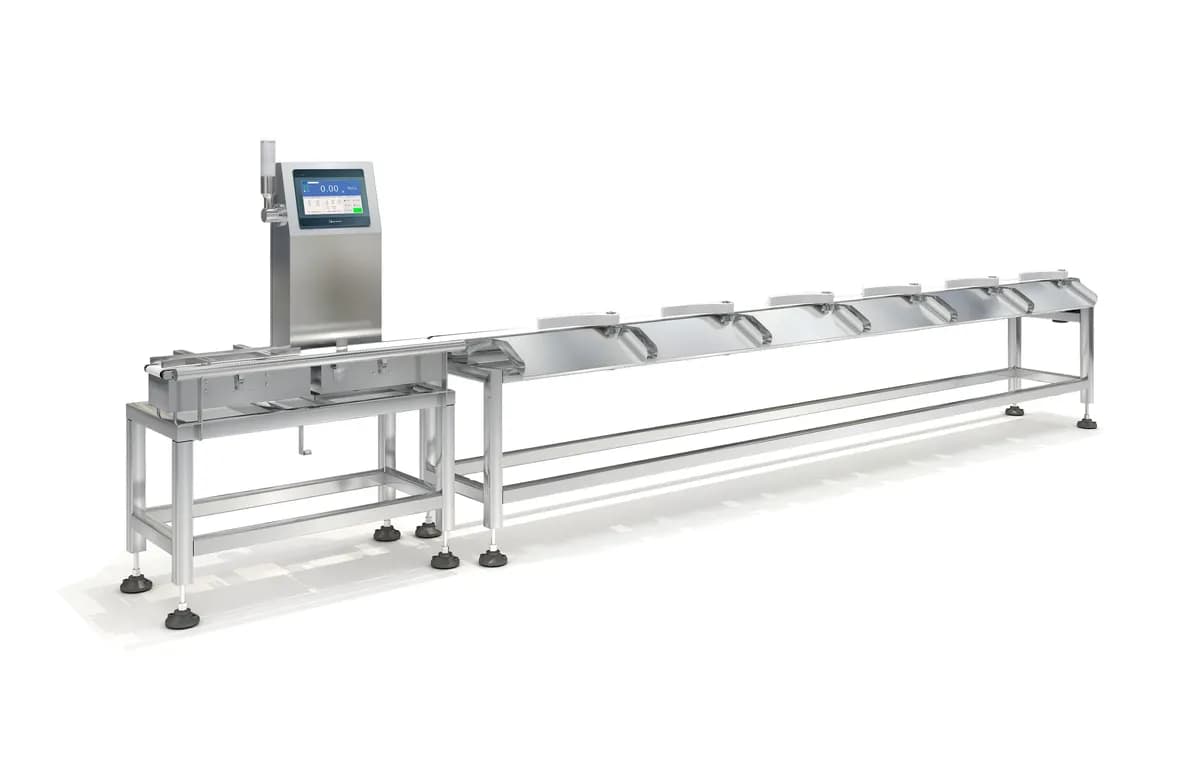
Swing-Arm Weight Sorting Machine
- Weighing range: 1-2000g
- Weighing accuracy: ±0.3-2g
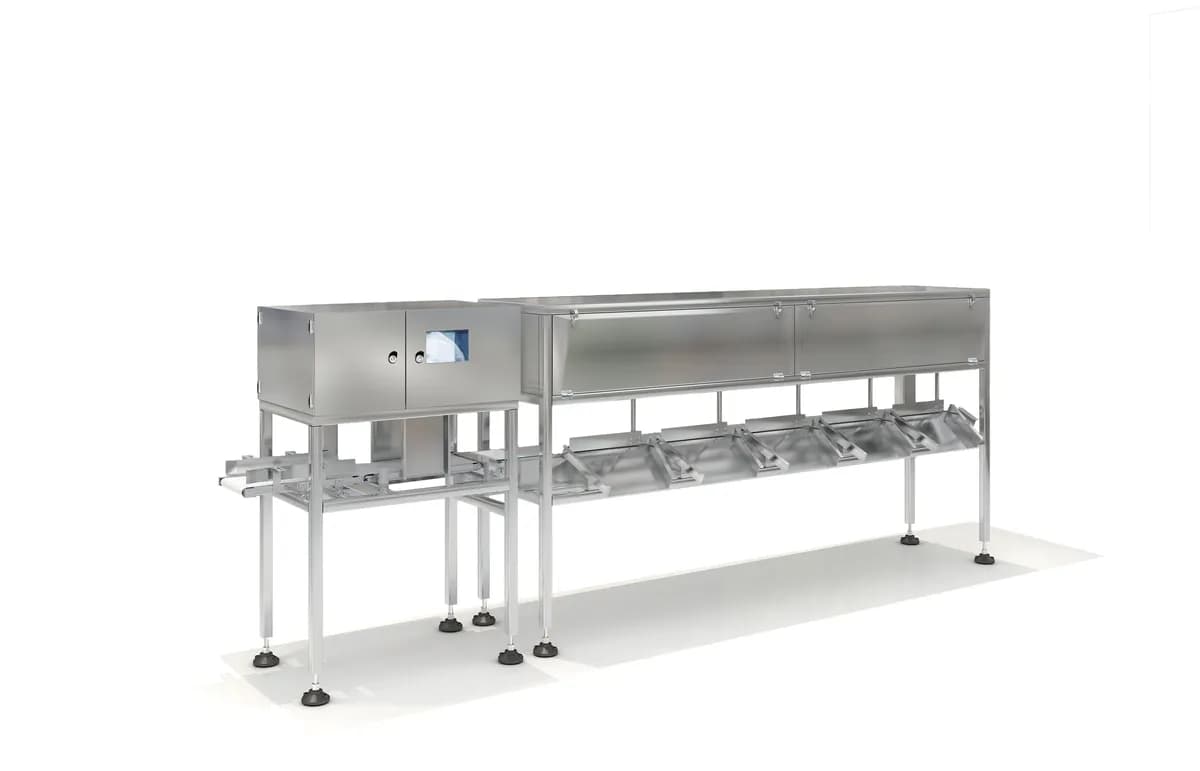
Dual-Layer Seafood Weighing and Sorting Machine
- Weighing range: 1-2000g
- Weighing accuracy: ±0.3-2g
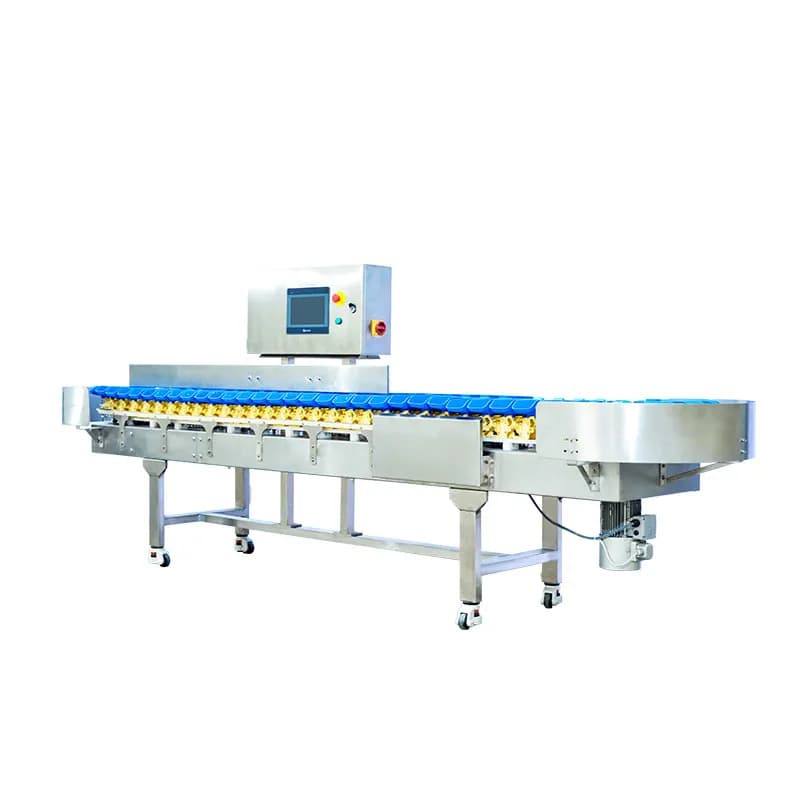
Rotary Disc Weight Sorting Machine
- Weighing range: 1-200g
- Weighing accuracy: ±0.3-2g
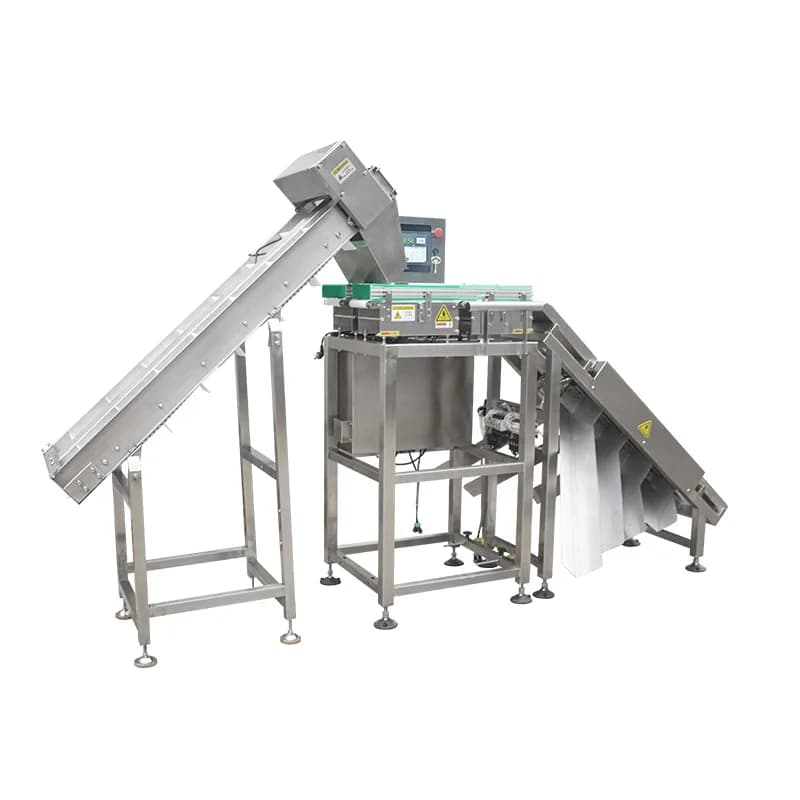
Dual-Channel Crayfish Weight Sorter
- Weighing range: 1-200g
- Weighing accuracy: ±0.3-2g
Custom Solutions
Explosion-proof, dual-lane, bottle-clamping & more
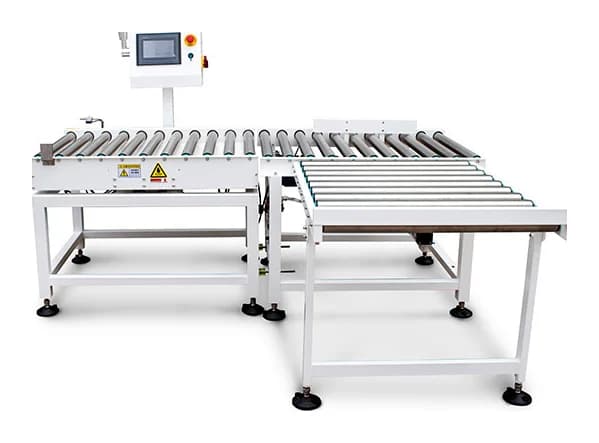
Roller-Type Inkjet Coding and Weighing Machine
- Weighing range: 1-30kg
- Weighing accuracy: ±10-30g
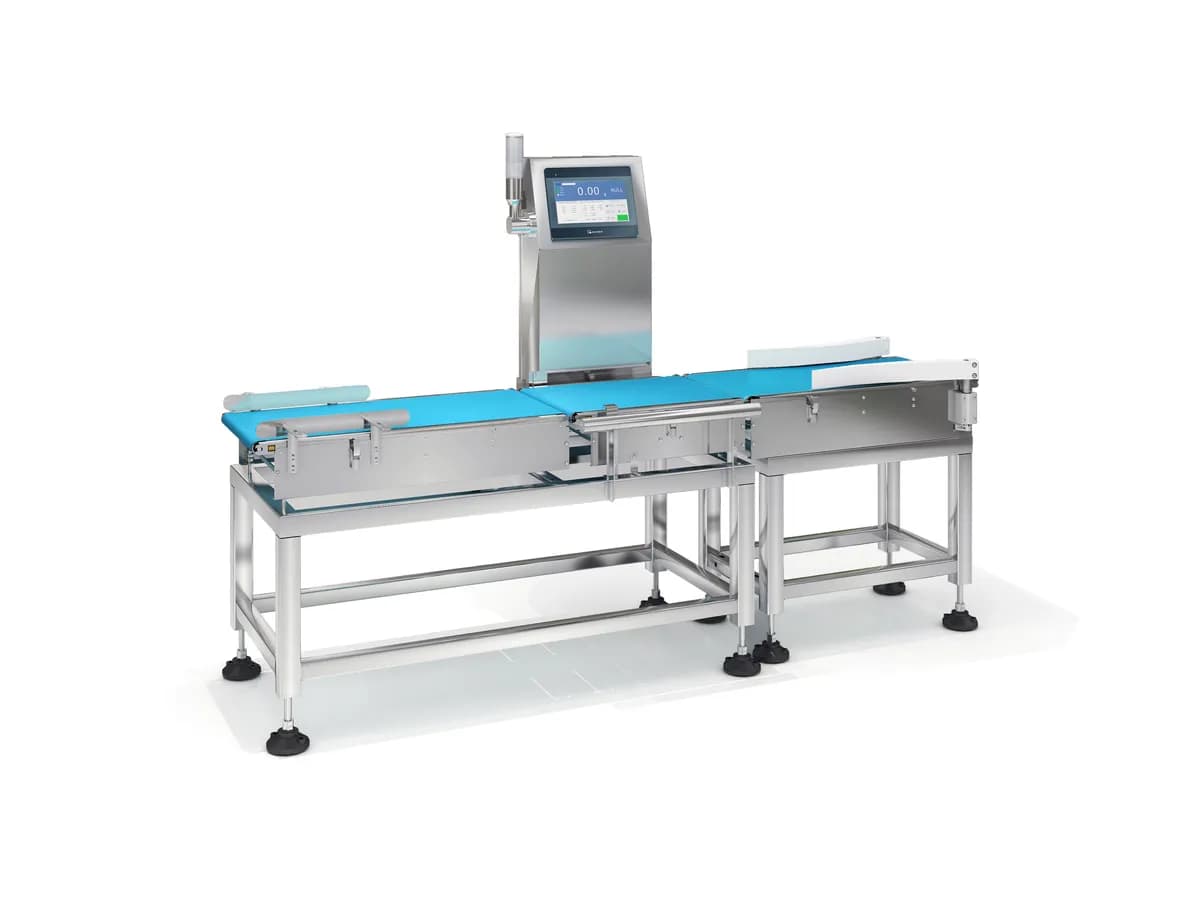
Precision In-Line Checkweigher for Assembly Lines
- Weighing range: 1-3000g
- Weighing accuracy: ±0.5-2g
Automatic Weighing, Vision Positioning and Instant Print-and-Apply Labeling Machine
View Specs & Price →
Three-Axis Instant Print-and-Apply Labeling Machine
View Specs & Price →
Automatic Weighing and Labeling System for Packaging Lines
View Specs & Price →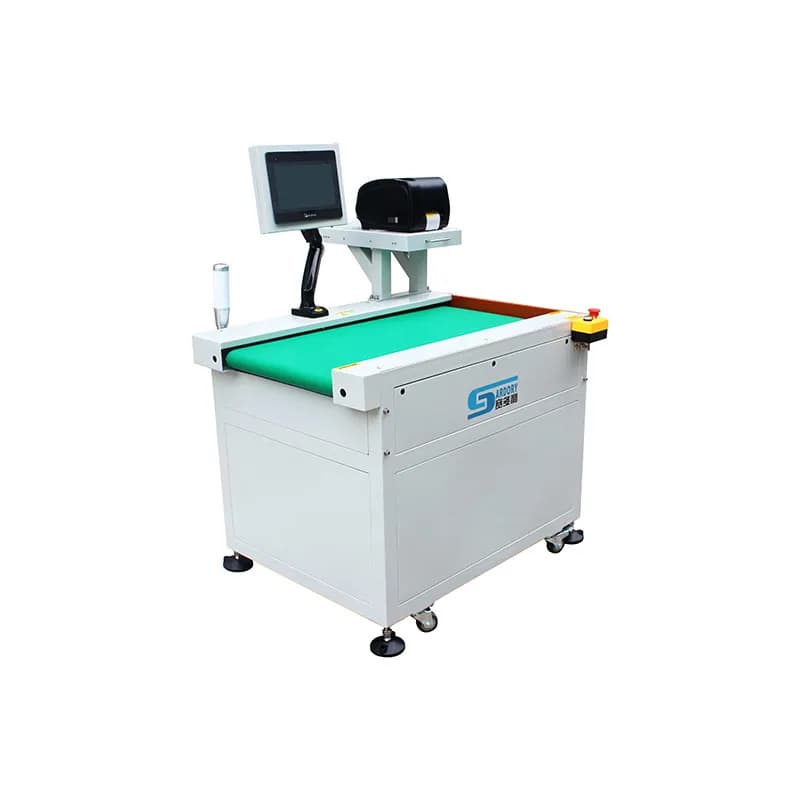
Static Weighing and Printing System for Logistics
View Specs & Price →
Explosion-Proof Scale
View Specs & Price →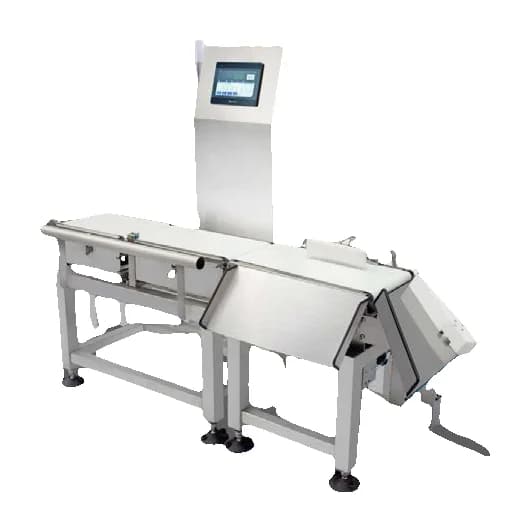
Multi-Function Rejecting and Diverting Checkweigher
View Specs & Price →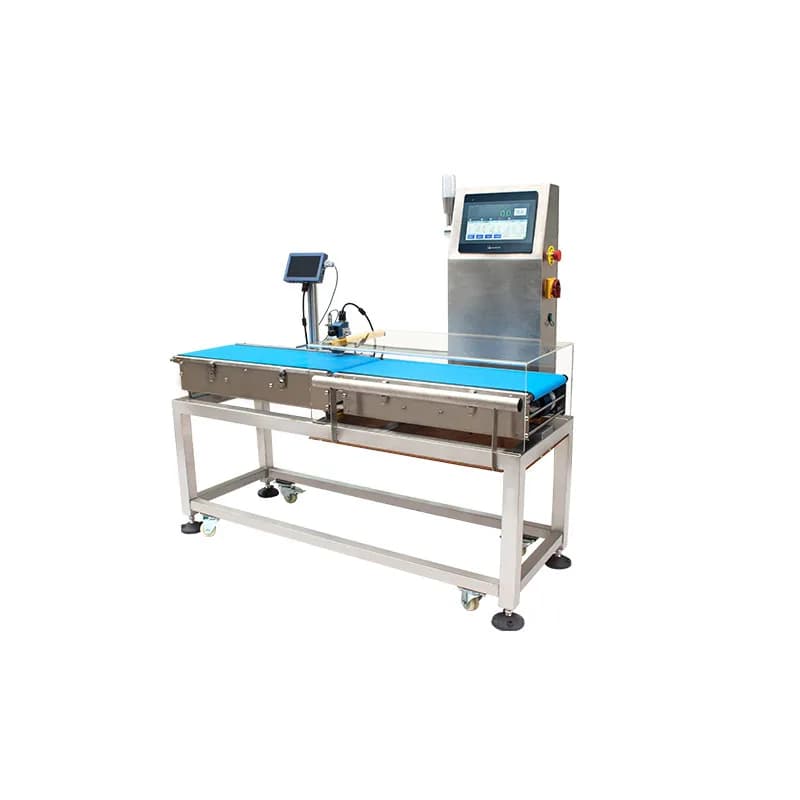
Dynamic Inkjet Coding Checkweigher
View Specs & Price →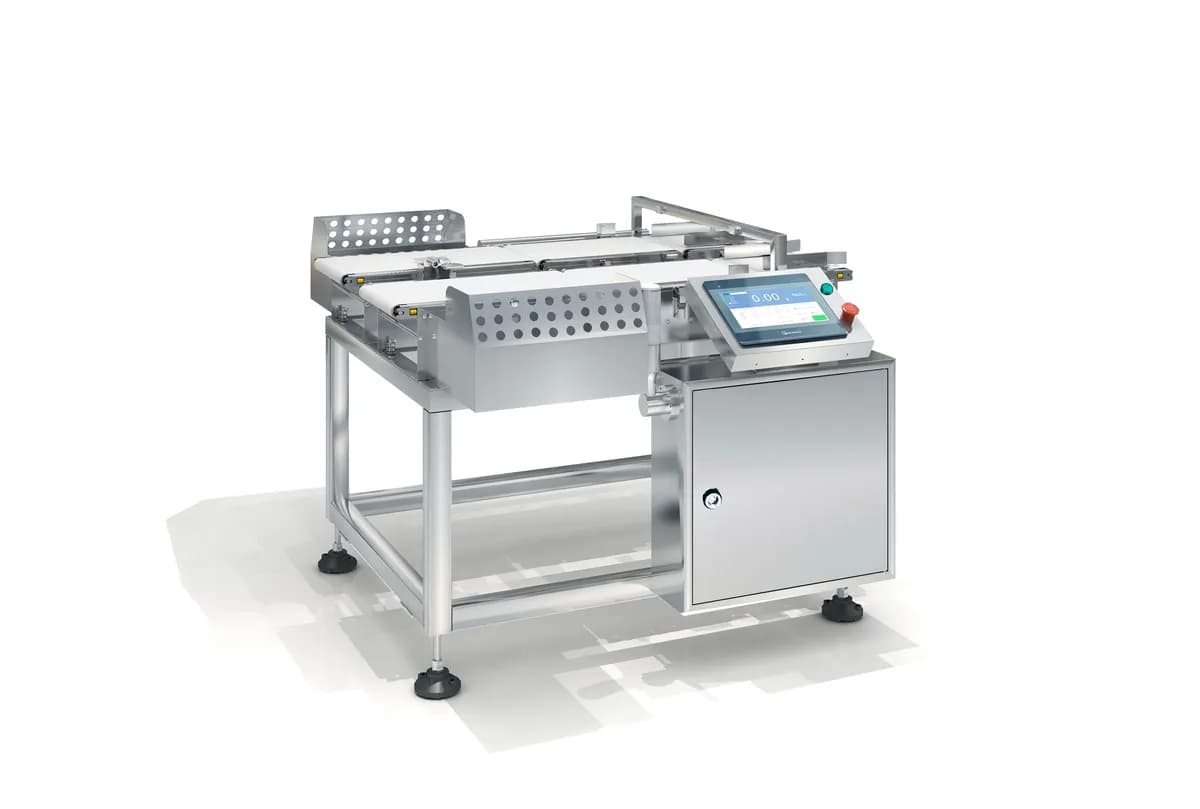
Dual-Channel Dynamic Checkweigher
View Specs & Price →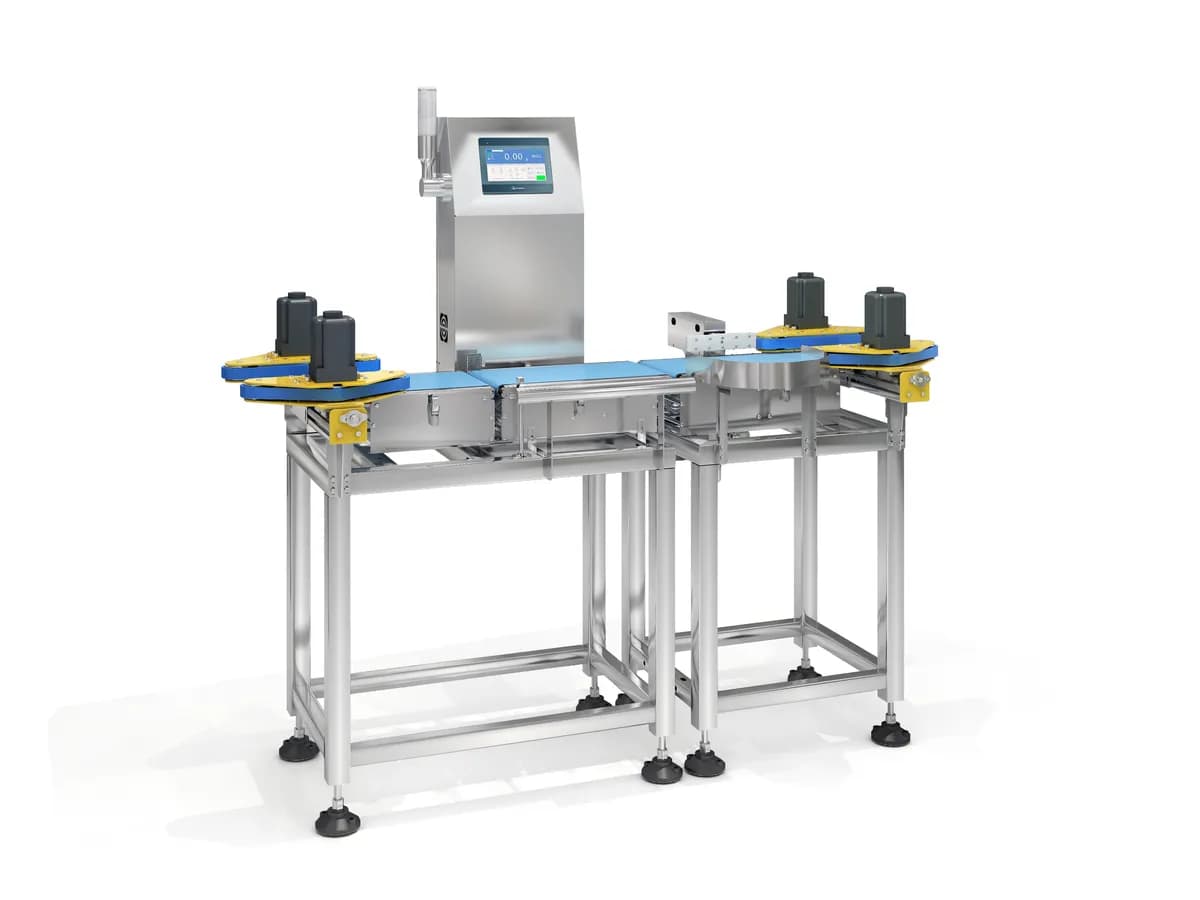
Automatic Bottle-Clamping Checkweigher
View Specs & Price →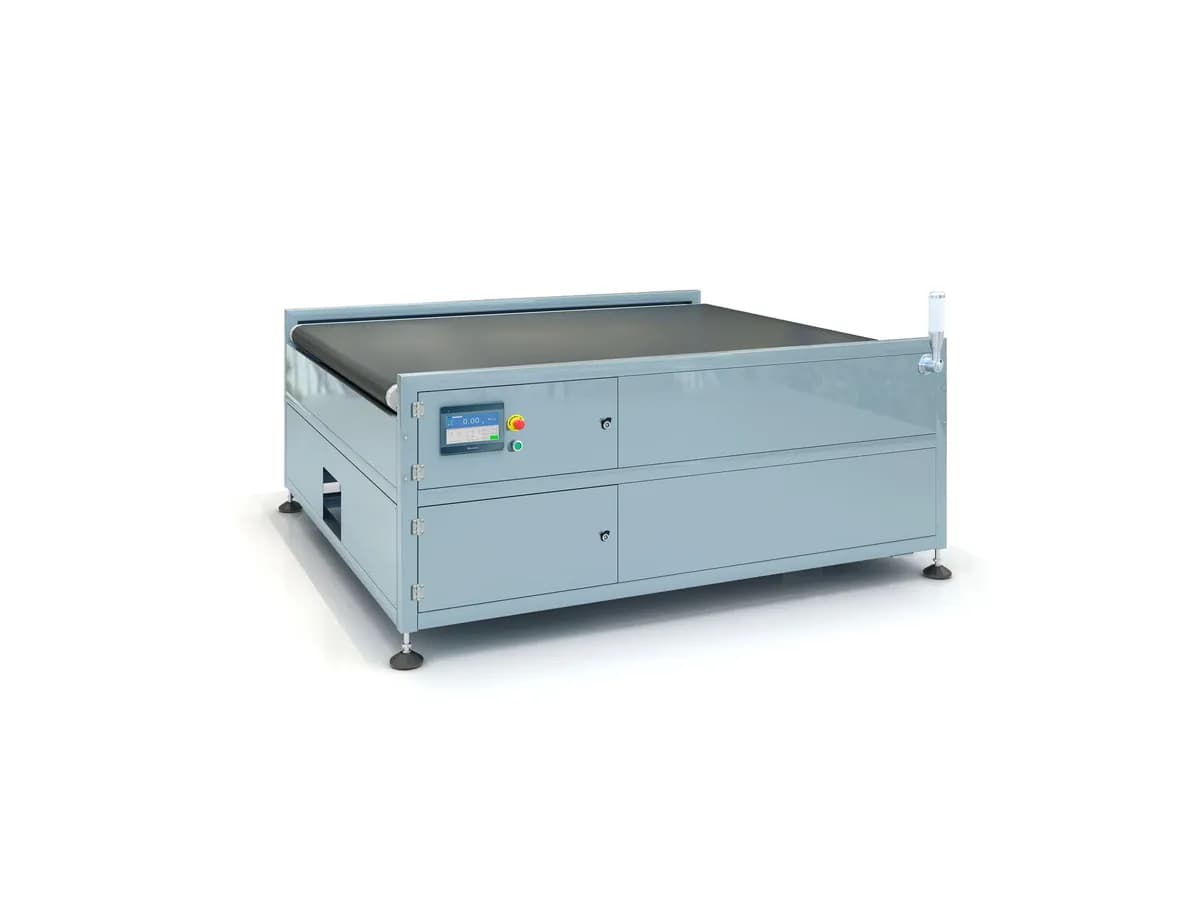
Air Cargo Container Weighing Machine
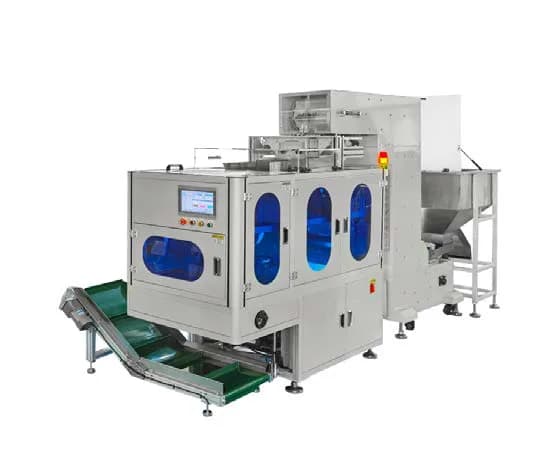
View Specs & Price →Packing Machines
Weigh-count-pack lines for fasteners and hardware
Applications by industry
Multi-pack and missing-item detection, washdown stainless builds, and metal-detector combos that can support a facility's documented HACCP procedures.
Packaged pharmaceutical products require suitable range, handling and a validated tolerance. Weight alone does not prove the presence of every individual component.
In-motion parcel weighing with optional barcode, printing, labeling and sorting integration; length-width-height needs a separate dimensioner.
Roller checkweighers to 80 kg verify bag weight and case counts for grain, feed, fertiliser and chemicals.
Weight graders route separated products into configured weight bands. Product handling, outlet count and pieces per minute must be reviewed together.
Weight checks can flag some missing contents or fill changes; they are not a universal leak or package-integrity test.
Selection, Testing & Integration Guides
How Does a Checkweigher Work? Infeed, Dynamic Weighing and Automatic Rejection
A dynamic checkweigher weighs every moving pack, compares the filtered result with recipe limits and removes or records exceptions. This engineering guide explains the complete three-stage process, the load-cell signal chain and the line conditions that determine repeatability.
Checkweigher Reject Systems: Air Blast, Pusher, Flap, Arm, Wheel or Stop Alarm
The best checkweigher rejector is the one that removes the real product reliably at the real speed. Compare six mechanisms by product mass, stability, line rate, available air, hygiene and fail-safe confirmation requirements.
Food Metal Detector Testing, Sensitivity and Validation: A Line-Side Guide
A meaningful food metal detector test uses certified ferrous, non-ferrous and stainless-steel test pieces in the actual product, at the least favourable position, and confirms both detection and rejection. This guide separates routine verification from validation and explains product effect.
In-Motion Parcel Weighing and DWS Integration: What Each Module Does
A dynamic parcel scale captures actual weight; a dimensioner measures length, width and height; a scanner binds the record to a parcel ID. This guide shows how to specify the weighing conveyor, data interface and optional print, label and sort functions without confusing a scale with a complete DWS cell.
Weigh-Price Labeling vs Weigh-Print-Apply: Functions, Data and Compliance
A weigh-print-apply system captures weight and prints or applies configured data. A weight/price labeler also calculates selling price from weight and unit price, which can trigger legal-metrology requirements. Use this comparison to define the exact function before buying hardware.
Weight Grading vs Checkweighing vs Batching for Fish, Poultry and Seafood
A checkweigher decides whether a completed pack is within limits; a weight grader routes individual products into multiple weight classes; batching selects or combines pieces toward a pack target. Choosing the wrong function creates the wrong conveyor and yield strategy.
Industrial Equipment Selection Questions
Which MIQI product family should I start with?+
Use the comparison table to match the required task: weight verification, contaminant inspection, weight grading, labeling, parcel weighing, portion batching or parts packing. Open the family page for model selection, then confirm the application with samples.
Are 10 buying families the same as 10 separate machine ranges?+
They are 10 selection entrances covering 44 existing product pages. MQ-MW2512B12 appears in the belt combination family and retains its established product page under checkweigher. This shared listing is counted once in the product total.
Does a quoted weighing accuracy apply to every product?+
No. Product dimensions, motion, speed, spacing, vibration and the chosen platform affect dynamic weighing. Metal and X-ray detection also depend on product, contaminant and test conditions. Agree the performance test for the proposed configuration.
Can weighing, inspection and labeling be combined?+
Integration is reviewed against the product flow, machine functions, reject arrangement and data requirements. The documented combination and custom models are starting points; floor-space savings, interfaces and acceptance records depend on the agreed design.
What information is needed for a quotation?+
Send the product type, weight and size range, target throughput, required tolerance or inspection target, packaging and cleaning conditions, a line layout and any label or data examples. MIQI can identify a suitable documented model and the remaining engineering questions.
Technical content reviewed by Engineer Cai, Guangdong Miqi M&E Technology Co., Ltd. · Updated August 31, 2026
Ship us your product — free on-machine accuracy test with video proof
Free sample testing · OEM & custom design · 2-year warranty · Worldwide shipping