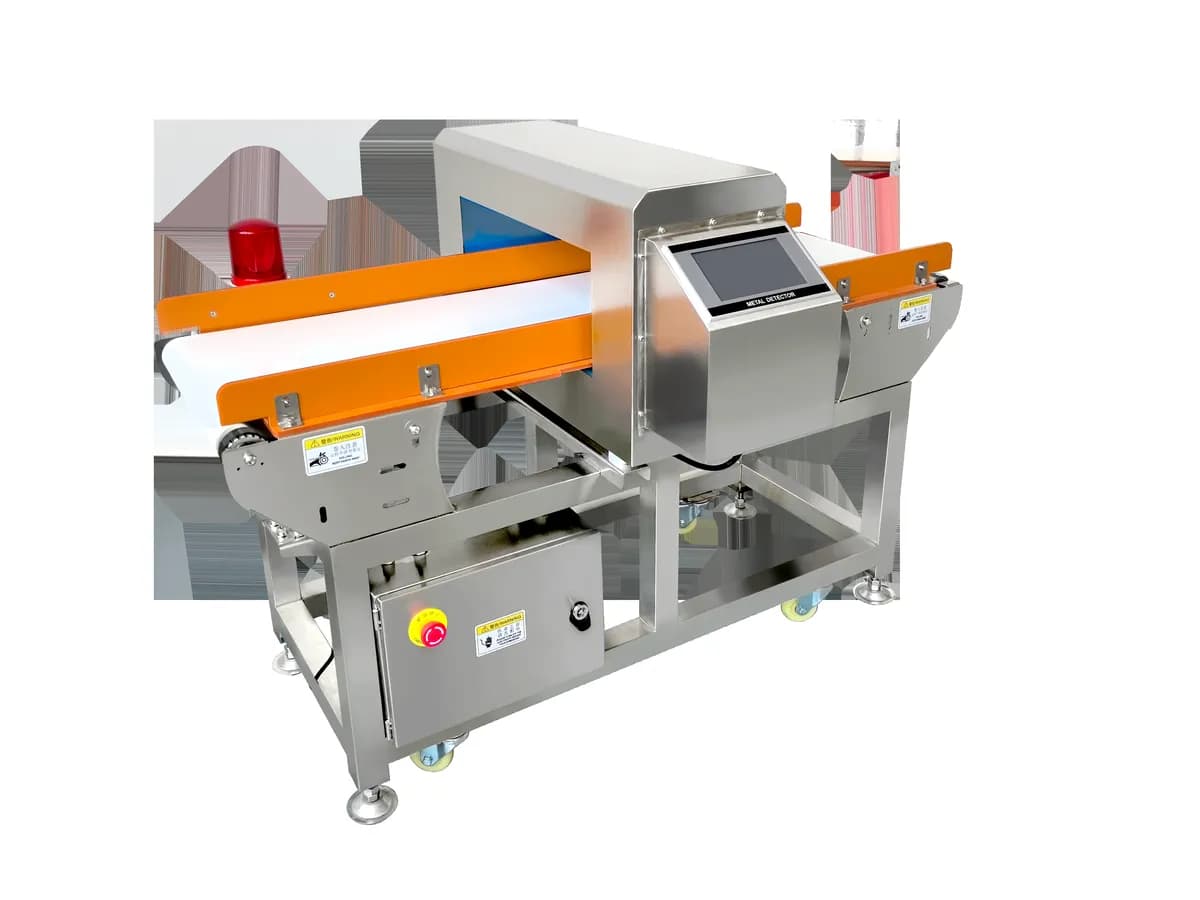
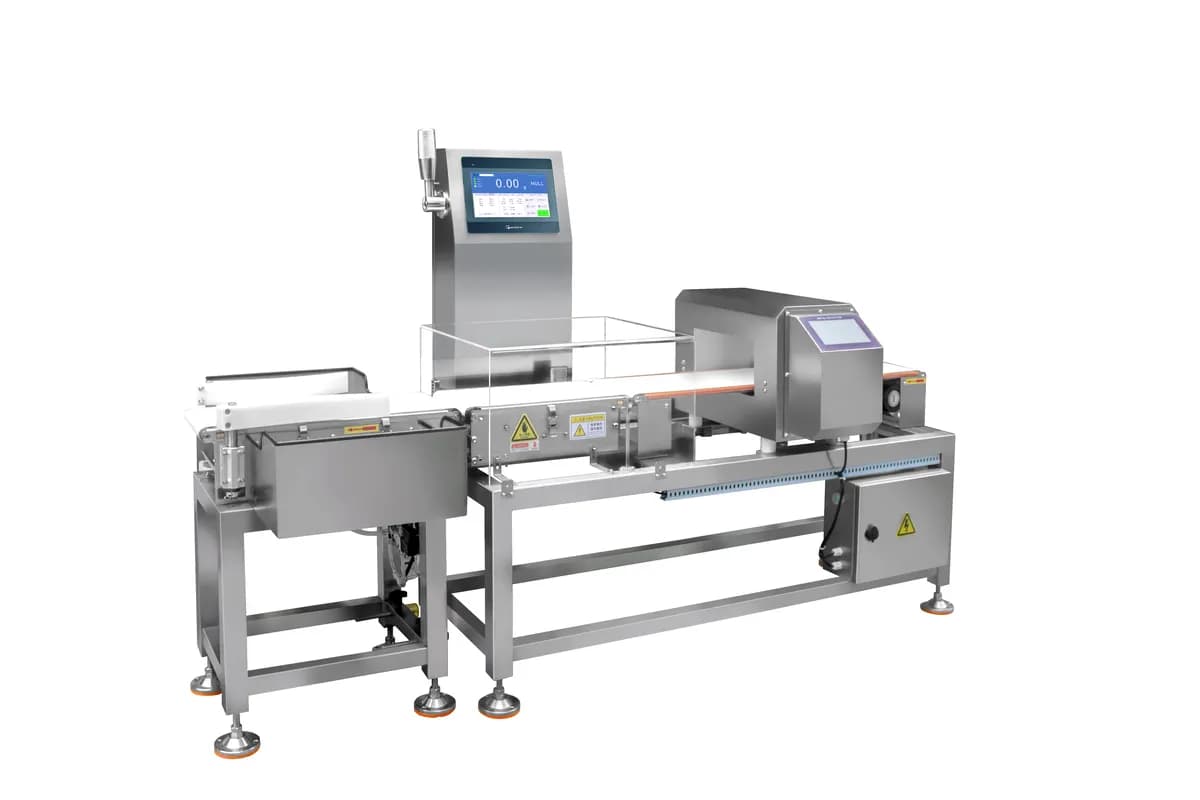
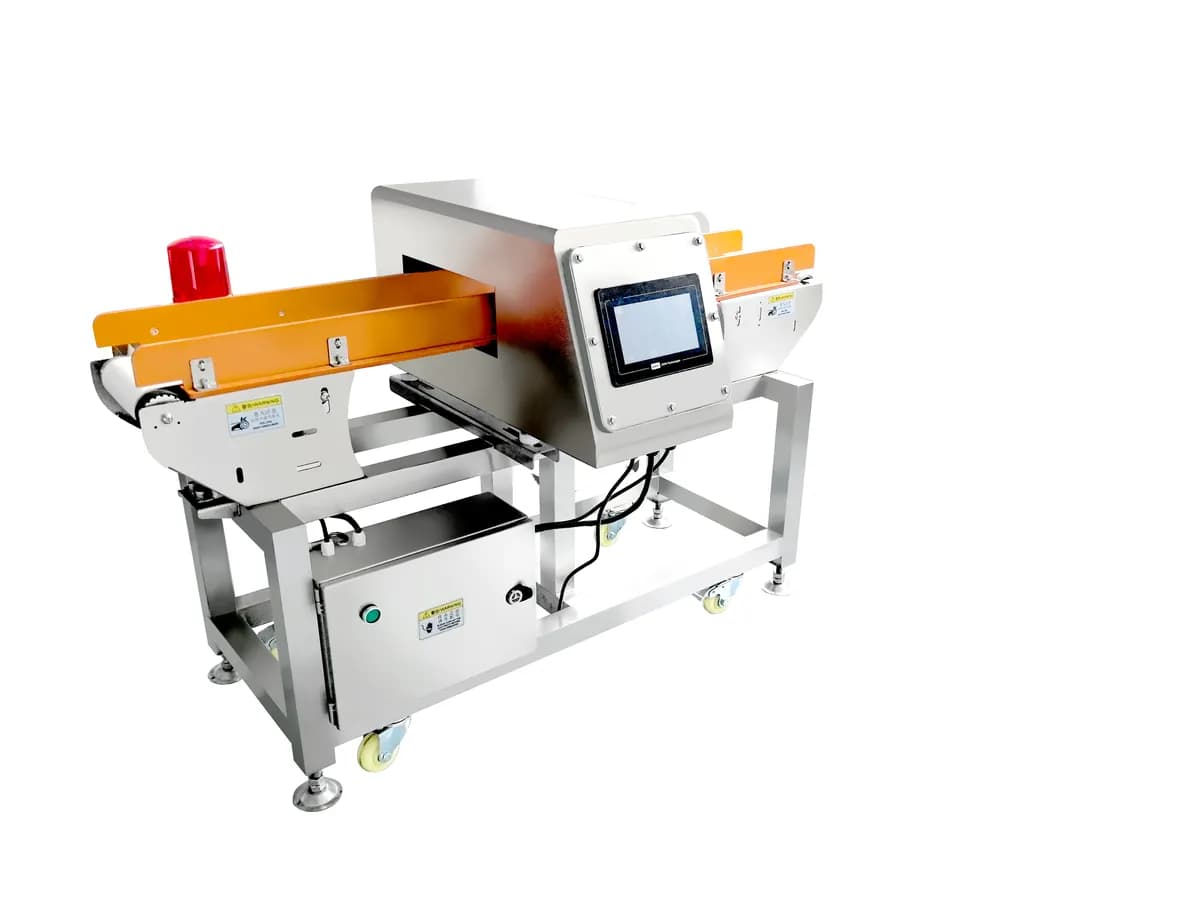
Food Metal Detector Testing, Sensitivity and Validation: A Line-Side Guide
A meaningful food metal detector test uses certified ferrous, non-ferrous and stainless-steel test pieces in the actual product, at the least favourable position, and confirms both detection and rejection. This guide separates routine verification from validation and explains product effect.
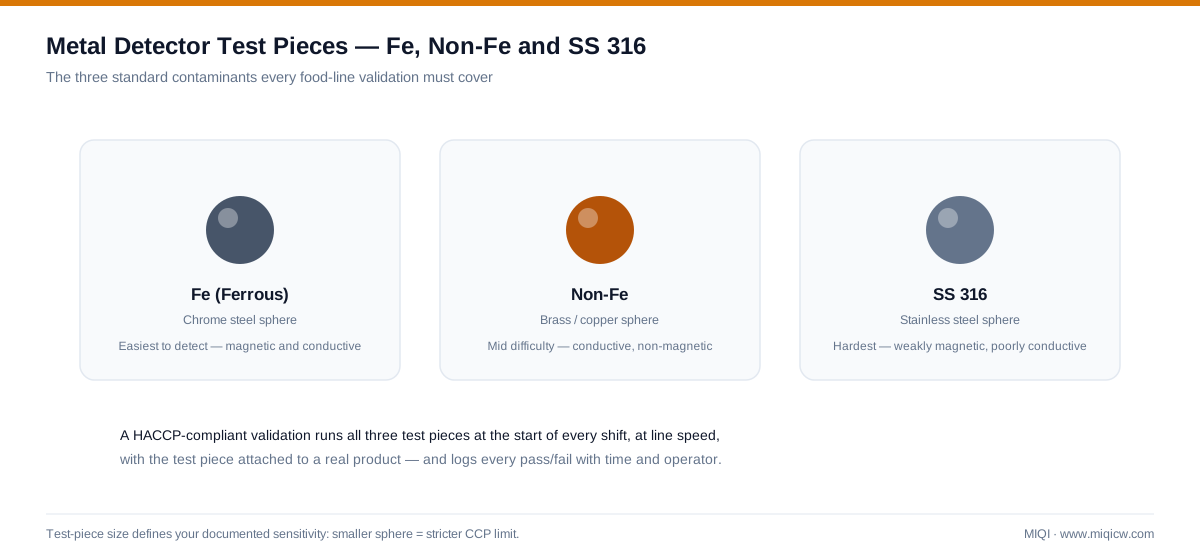
A food metal detector is not proven by passing a bare test wand through an empty aperture. The challenge must represent the production risk: the correct metal type and sphere size, inside or attached to the real product, at the most difficult position, at normal speed, followed by confirmation that the reject system removed the right pack.
Match the challenge procedure to the selected food metal detection systems and actual product flow. Is Metal Detection a CCP or a PRP? The Question Every Quality Manager Asks and No Equipment Vendor Answers explains how the facility's hazard analysis connects equipment checks with monitoring, corrective action and records.
Ferrous, non-ferrous and stainless-steel test pieces
Use controlled test pieces whose material and size are identifiable and traceable under the plant system. Ferrous, non-ferrous and stainless steel respond differently. Austenitic stainless steel is commonly the most difficult of the three for a balanced-coil conveyor detector, but the real hierarchy can change with product effect, frequency, aperture and orientation.
Product effect can be larger than the contaminant signal
Wet, salty, acidic, warm or conductive products can disturb the electromagnetic field and imitate a metal signal. Recipe setup teaches the detector the normal product response so a contaminant can be distinguished from that background. Test the full range of product temperatures, formulations, pack orientations and belt loading rather than tuning on one ideal sample.
Validation, verification and routine monitoring
| Activity | Question answered | Typical evidence |
|---|---|---|
| Validation | Can this system and procedure control the defined hazard? | Study design, challenge selection, worst-case conditions, documented acceptance |
| Verification | Is the validated system still working as intended? | Scheduled challenge results, reject confirmation, record review |
| Monitoring | Is the process under control at this moment? | Operator checks, alarms, observations and production records |
A repeatable production test sequence
- Confirm the correct product recipe, belt speed and reject bin condition.
- Place each test piece in or on a representative product using the approved method.
- Challenge leading, centre and trailing positions when the validation identifies positional risk.
- Run ferrous, non-ferrous and stainless-steel challenges separately.
- Confirm detection, physical rejection, reject confirmation and alarm behaviour.
- Record product, recipe, test piece ID, result, operator, time and corrective action.
- If a test fails, control affected product according to the plant procedure before restarting.
How often should testing be performed?
Testing frequency belongs to the facility hazard analysis, validation, customer requirements and quality system. It may include start-up, product change, defined production intervals, shift change and end-of-run checks, plus any restart after a fault. A machine supplier should not invent a universal interval for every food and jurisdiction.
Does FDA set metal detector critical limits?
FDA guidance discusses metal-inclusion hazards and control strategies; it does not establish one universal test-sphere size for every product and process. Define and validate the relevant metal types, challenge sizes, positions and reject outcomes. Applicable customer requirements and audit schemes may add conditions. Identify the source, product scope and revision date of each requirement rather than copying an unrelated factory's sensitivity.
HACCP is a management system, not a machine certificate. A detector may support a CCP or another control measure, but that designation comes from the facility hazard analysis and documented plan.
Continue your equipment evaluation
Food metal detector models — conveyor, free-fall, foil and combination configurations
Metal detector vs X-ray inspection — choose by contaminant and package
Metal detection: CCP or PRP? — place the device in the plant food-safety plan