
Dynamic Inkjet Coding Checkweigher
Dynamic checkweighing and automatic coding integrated in one machine — photoelectric sensing triggers printing, underweight products are rejected inline, and automated coding reduces manual steps; validate with actual products
Custom-built model: This is a non-standard, made-to-order machine. Structure, dimensions, rejection method and configuration are engineered to your product and production line. Image for reference only — contact us with your application for a tailored solution and quote.
Dynamic Inkjet Coding Checkweigher (MQ-DZ06). Factory-direct from Guangdong, China. OEM & custom available.
Typical applications: High-precision end-of-line weighing and conveying; automatic inline inkjet coding
Key Features
- ✓Designed for high-precision weighing and conveying at the final stage of packaging lines
- ✓Photoelectric sensor triggers automatic inkjet coding; dynamic weighing rejects out-of-tolerance products
- ✓Integrates seamlessly with conveyor lines for fully automatic operation — no manual coding needed, boosting production efficiency
Why Choose MQ-DZ06
Weighing, Coding & Rejection in One Machine
A single unit performs three operations — dynamic checkweighing, automatic coding, and rejection of non-conforming products — replacing a separate checkweigher, a separate coder, and the transfer conveyor between them. The line layout becomes more compact, and failure points such as jams and dropped packs at the transfer gaps are eliminated along with them.
Photoelectric Sensing, Automatic Coding
A photoelectric sensor captures the product-in-position signal and triggers coding automatically. Print timing is dictated by the product's actual position rather than by manual alignment. One product in, one print out — missed prints and misaligned prints are prevented by design, and batch information is traceable on every unit.
Dynamic Weighing, Inline Rejection
Weight-based completeness checking must be validated using real complete packs and representative missing-item cases. Product and packaging variation can overlap the missing item's weight. Agree thresholds and verify rejection at the intended speed; a checkweigher cannot guarantee component identity or detection of every shortage.
Fully Automatic Integration into the Line
The machine is engineered to match your existing line's conveying speed and working height — connect the packaging machine upstream and the boxing line downstream and it runs automatically. Manual coding and sampling-inspection posts can be eliminated, freeing operators from repetitive work to focus on verification.
Source Factory, Product-Specific Customization
Miqi is a source-factory manufacturer of checkweighers. The DZ06 is a custom model: the weighing section and rejection mechanism are configured to your product's dimensions, weight range, packaging form, and coding content. Engineers handle your project directly, so even when your product changes, there is always someone to turn to.
Problems It Solves for You
In the post-packaging stage, products first pass a checkweigher and then enter a coder — two machines and two conveyor sections stretch the footprint out long, jams and dropped packs occur frequently at the junction, parameters have to be set separately on each side, and every product changeover eats up half a day.
Checkweighing and coding are completed on the same conveyor section: one infeed, two operations. The footprint shrinks, the junction disappears, and a product changeover requires adjusting settings on just one machine.
With handheld coding or products aligned by hand, speed can't keep up with the line's takt, and skewed or missed prints slip into the batch — once the customer finds them, the whole batch has to be unpacked and reworked.
A photoelectric sensor detects the product in position and triggers coding automatically. Each unit is printed individually and the position is set by the sensor signal — however fast the line runs, coding keeps pace, so falling behind takt is never an issue.
Manual sampling inspection can only check a fraction, so underweight products or those missing an accessory still get through. When a retail-chain inspection or a customer complaint hits, the penalties and returns cost far more than one machine.
Dynamic weighing checks and judges every single product; anything failing is rejected from the main line on the spot and collected separately — sampling becomes 100% inspection, and non-conforming products never leave the workshop.
The coding post and the weighing post each need a dedicated person to watch them — three shifts means six headcount. In peak season, hiring is hard, turnover is high, and new hands make mistakes easily.
The equipment runs fully automatically with the line, requiring no manual coding and no manual weighing. The role shifts from operator to patrol inspector, and one person can oversee several lines.
Functions in Detail
Workflow
Products enter the weighing conveyor section from the upstream line and are dynamically weighed and judged pass/fail while in motion; once the photoelectric sensor detects the product in position, it triggers the coder to print; products failing the weight limit are removed from the main line by the rejection device, while conforming products continue to the boxing and subsequent stages — the entire process requires no manual intervention.
Rejection Method
The rejection mechanism is selected and customized according to the product's weight range, outer dimensions, and packaging form. Rejected products are removed from the main line and drop into a collection area for centralized review, rework, or refilling, avoiding mixing with conforming products. The rejection action is linked to the weight judgment — the moment a product is judged non-conforming, it executes, independent of human reaction speed.
Coding Configuration & Line Integration
Coding content is configured to customer requirements with information such as production date and batch number; the print position is set based on the photoelectric sensor signal and the product's conveyed position. The machine is a custom model — conveying speed, belt width, and working height are all designed to your existing line's actual parameters, so it runs inline simply by connecting to the upstream and downstream conveyors on arrival.
Commissioning & Routine Maintenance
Before production, set the upper and lower weight limits and the coding trigger position for the product; when changing products, simply recall the corresponding settings. Routine maintenance mainly involves cleaning the belt surface and checking the photoelectric sensor and coder nozzle; the open structure makes wiping easy. Periodic calibration of the weighing section with standard weights is recommended to keep the judgment baseline stable.
Industries & Application Scenarios
Inline checkweighing at the post-packaging stage for bagged and boxed food; once net-content compliance is confirmed, production date and batch number are printed automatically, while underweight packs are rejected on the spot to prevent them from reaching retail and being flagged as short net-content.
After filling and capping, wash and cleaning products are weighed unit by unit; under-filled and missed-fill products are rejected, and batch codes are printed on the same conveyor section — one machine closes out the tail end of the filling line.
After cartoning, drugs and health products are weighed box by box to detect missing blister packs or absent leaflets; conforming boxes are automatically coded with batch and date information, while non-conforming boxes are rejected for separate review.
After boxing, parts and components are verified by weight for missing or short-packed items, while material batch information is coded simultaneously for traceability — replacing manual counting and hand-marking.
Packed goods are weight-verified on the conveyor to prevent mis-shipment and short-shipment; upon sensing a unit, sorting or batch identifiers are printed automatically, and packages flow straight to the next stage without stopping.
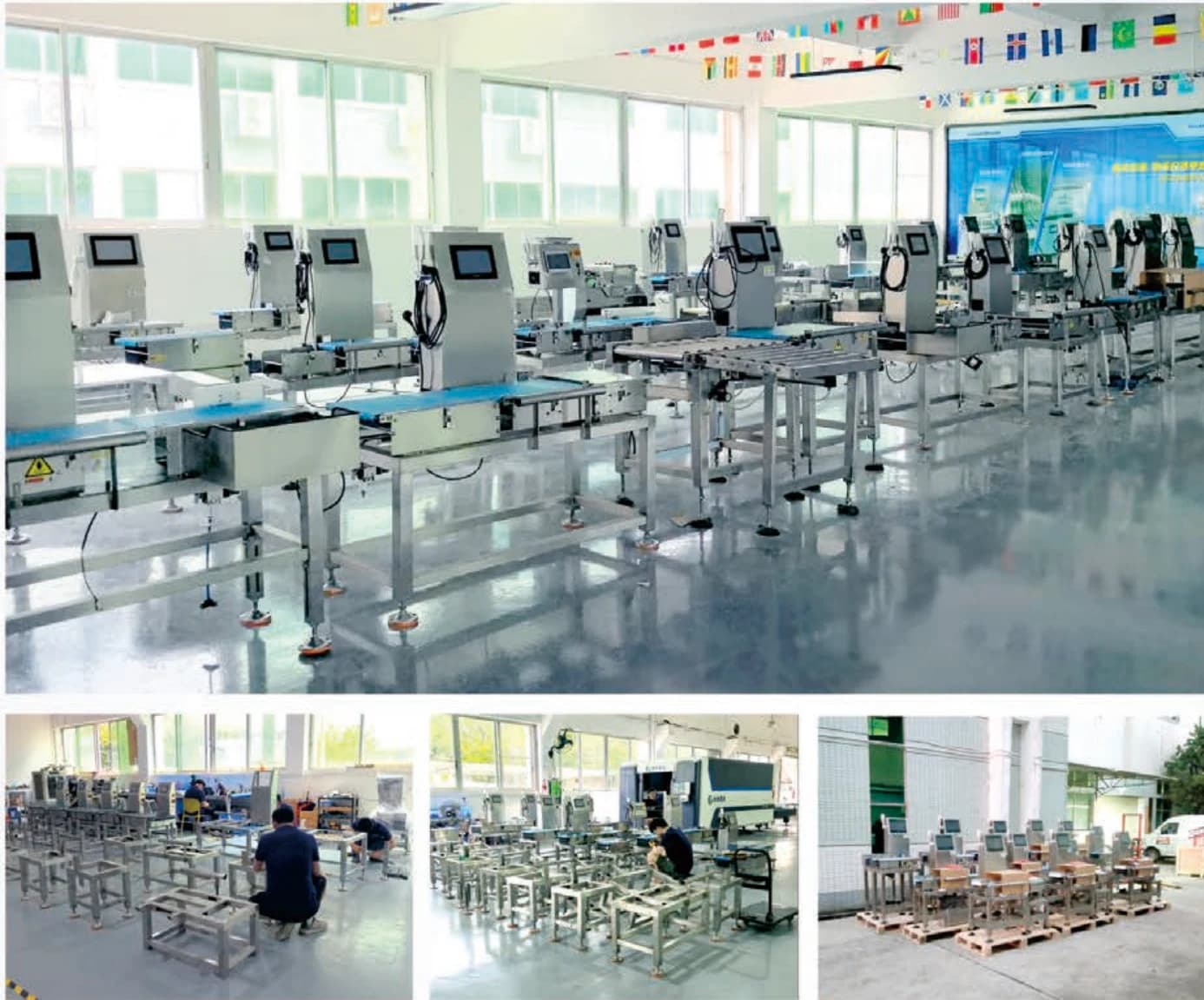
Own Factory · Seeing Is Believing
Guangdong Miqi designs, builds and tests every machine in-house — each unit is bench-tested before shipment. Free sample testing, on-site factory visits and live video of the running machine are all welcome.
Compare this model with other configurations in custom weighing and inspection systems.
Further reading
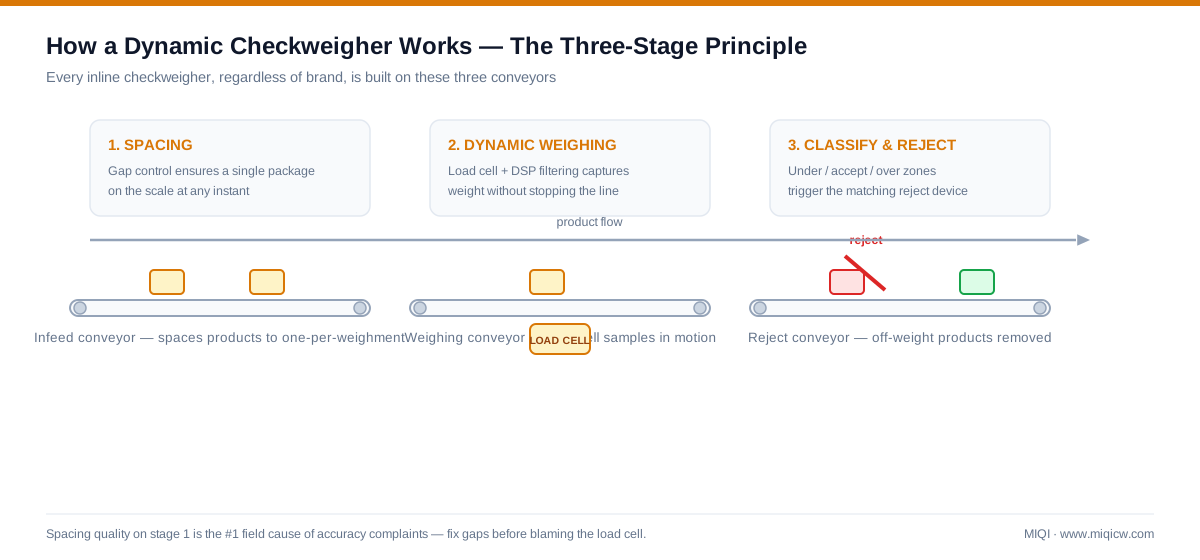
How Does a Checkweigher Work? Infeed, Dynamic Weighing and Automatic Rejection
A dynamic checkweigher weighs every moving pack, compares the filtered result with recipe limits and removes or records exceptions. This engineering guide explains the complete three-stage process, the load-cell signal chain and the line conditions that determine repeatability.
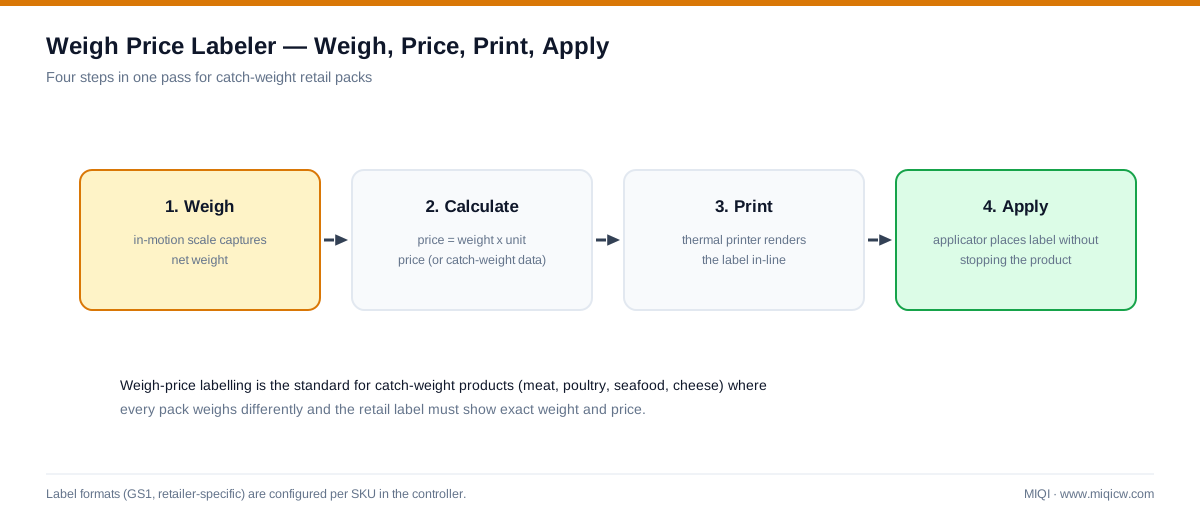
Weigh-Price Labeling vs Weigh-Print-Apply: Functions, Data and Compliance
A weigh-print-apply system captures weight and prints or applies configured data. A weight/price labeler also calculates selling price from weight and unit price, which can trigger legal-metrology requirements. Use this comparison to define the exact function before buying hardware.
Frequently Asked Questions
What is the price of Dynamic Inkjet Coding Checkweigher (MQ-DZ06)?+
Pricing depends on the weighing range, rejection method, conveyor dimensions and selected options. Send the product weight, dimensions and line speed for a factory-direct quotation.
Does MIQI export Custom Solutions worldwide?+
Yes. MIQI ships worldwide with export packing, operating documents, configurable voltage and remote commissioning support. OEM branding and application-specific engineering are available.
Tell Us About Your Product
Share your product weight range, dimensions and line speed — our engineer replies within 24 hours with model recommendation and quotation.
Related Models
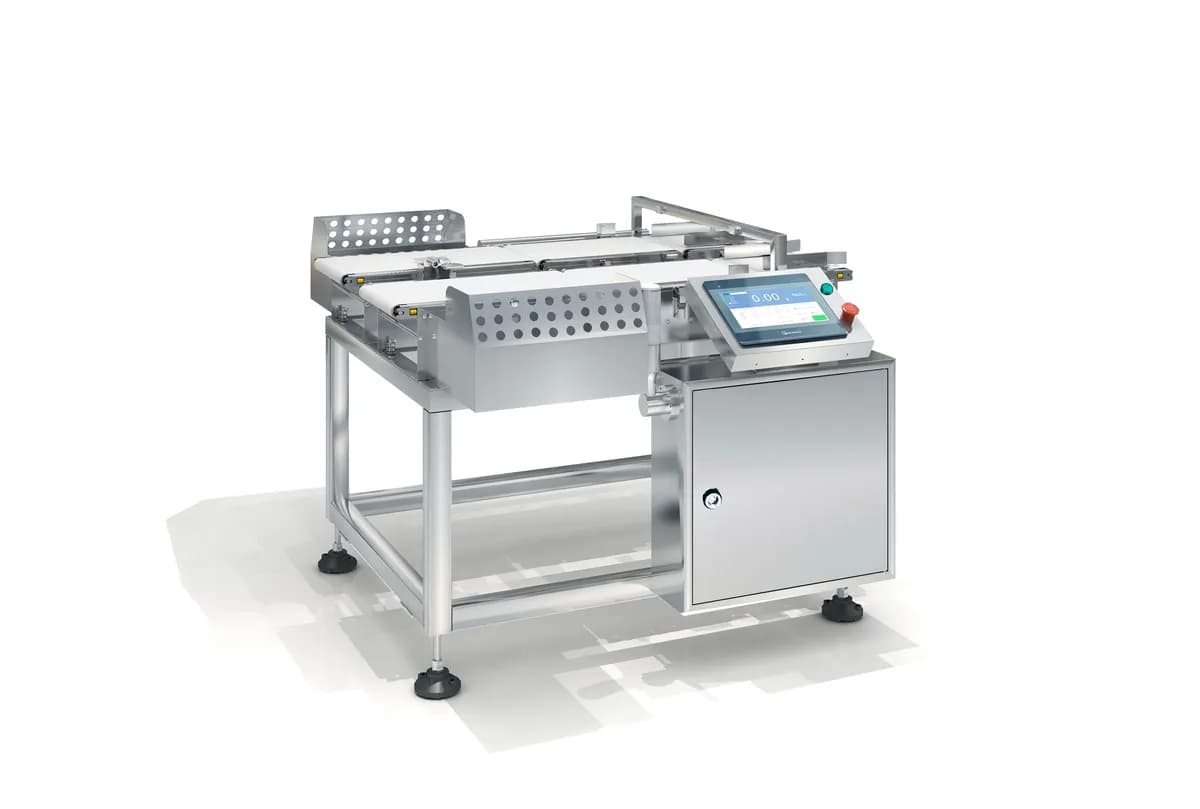
Dual-Channel Dynamic Checkweigher
View Specs & Price →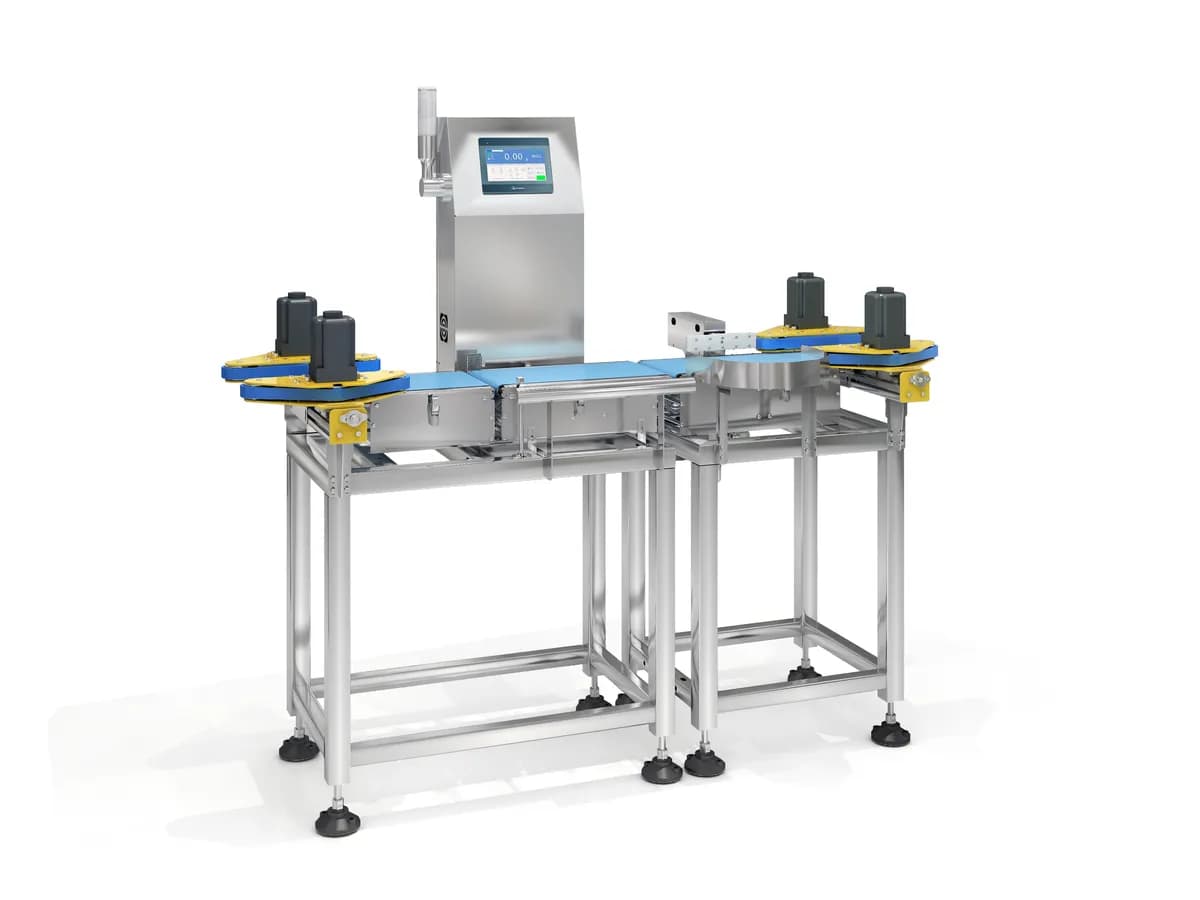
Automatic Bottle-Clamping Checkweigher
View Specs & Price →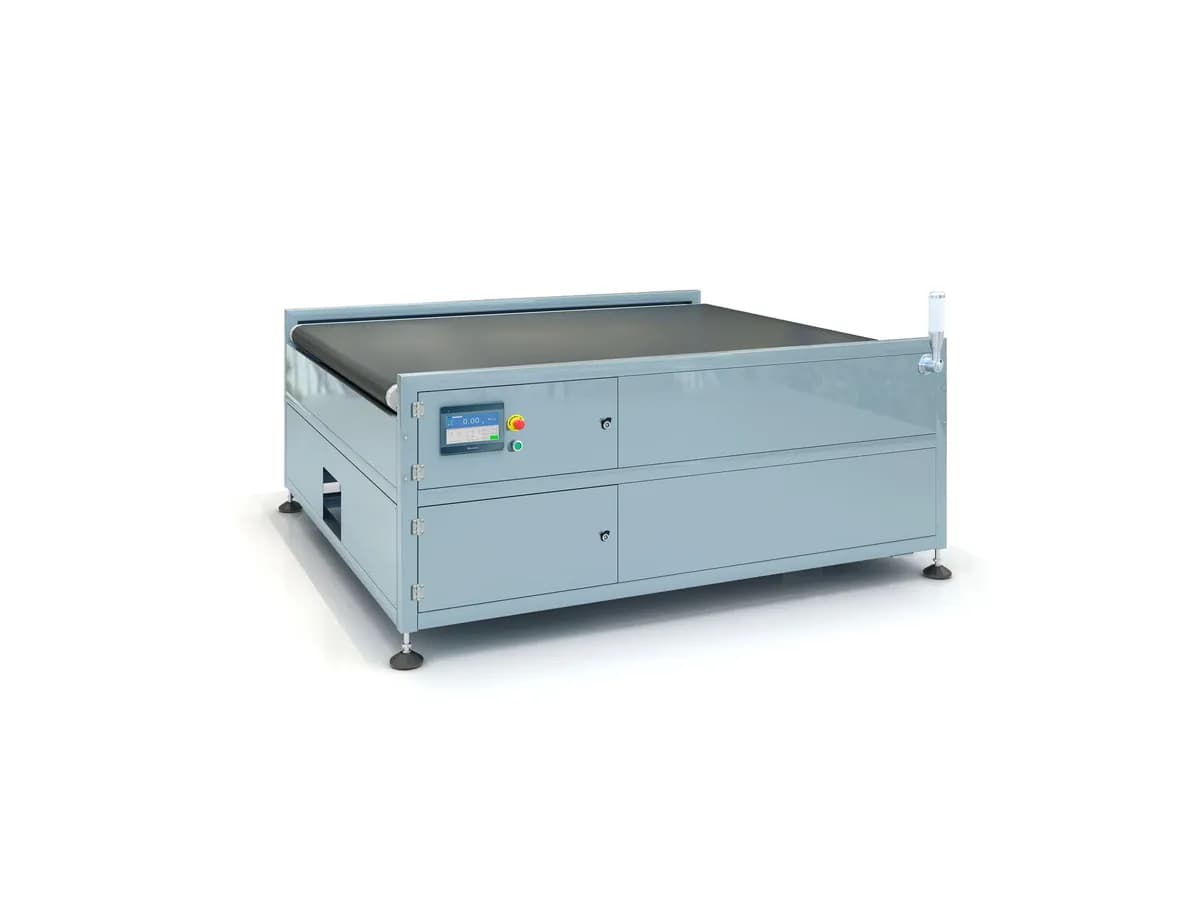
Air Cargo Container Weighing Machine
View Specs & Price →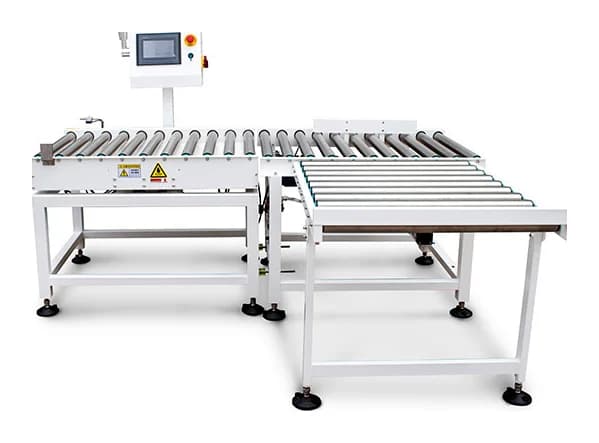
Roller-Type Inkjet Coding and Weighing Machine
- Weighing range: 1-30kg
- Weighing accuracy: ±10-30g