
Custom Weighing & Inspection Systems
MIQI offers custom weighing and inspection engineering for products, line layouts and interfaces that do not fit a standard configuration. The catalogue contains 12 custom project entries, including conveyor checkweighing, coding, labeling, bottle handling, dual-channel weighing and cargo weighing. These entries are reference configurations, not proof that every specification or approval is available. The product, performance, safety, environmental and data requirements must be reviewed and agreed for each project.
A custom weighing and inspection system combines defined handling, measurement and control functions around a specific production requirement. Start from product samples and line constraints, compare a standard option, and agree the engineering scope and acceptance method before committing to a design.
Custom Weighing and Inspection Projects
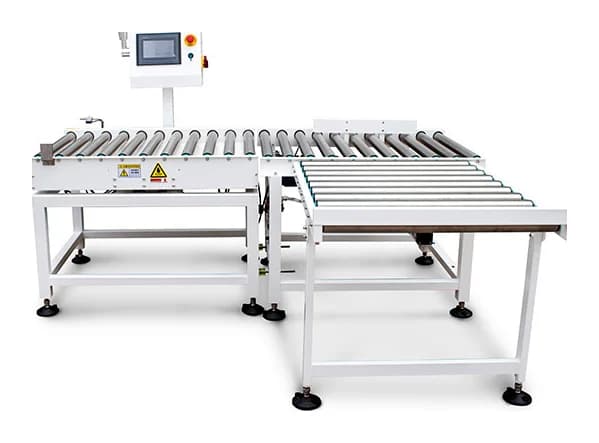
Roller-Type Inkjet Coding and Weighing Machine
- Weighing range: 1-30kg
- Weighing accuracy: ±10-30g
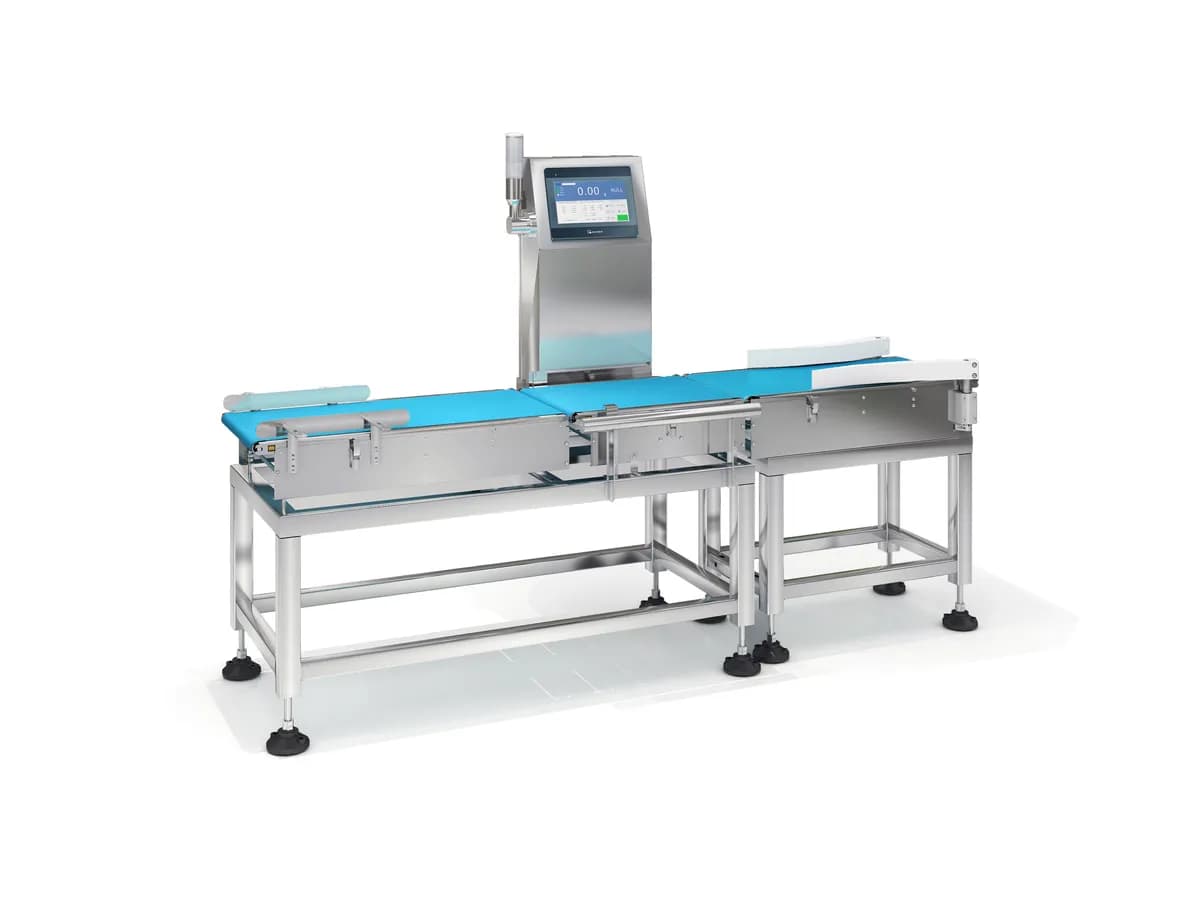
Precision In-Line Checkweigher for Assembly Lines
- Weighing range: 1-3000g
- Weighing accuracy: ±0.5-2g
Automatic Weighing, Vision Positioning and Instant Print-and-Apply Labeling Machine
View Specs & Price →
Three-Axis Instant Print-and-Apply Labeling Machine
View Specs & Price →
Automatic Weighing and Labeling System for Packaging Lines
View Specs & Price →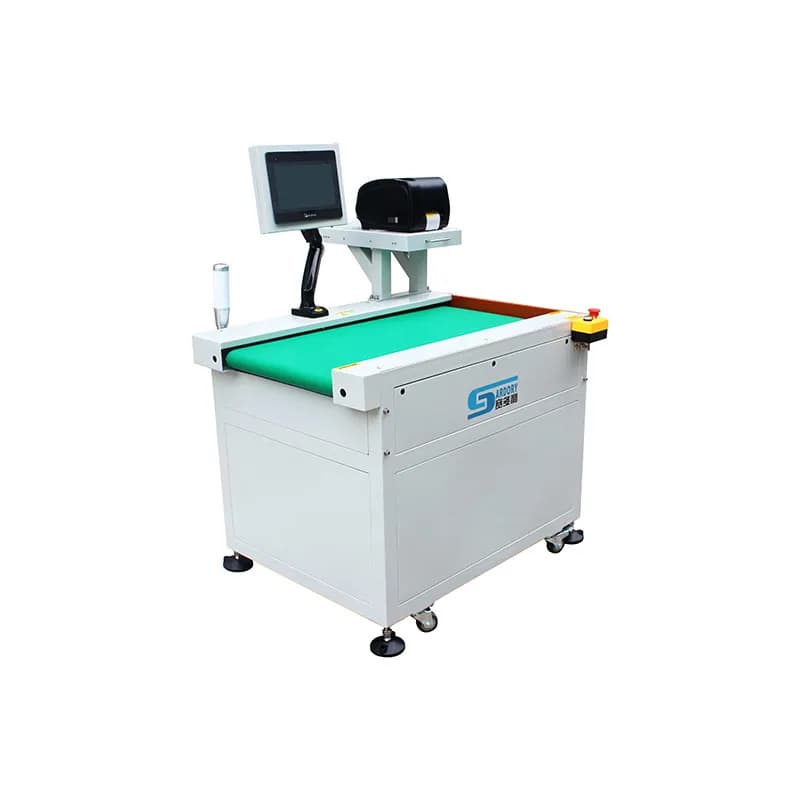
Static Weighing and Printing System for Logistics
View Specs & Price →
Explosion-Proof Scale
View Specs & Price →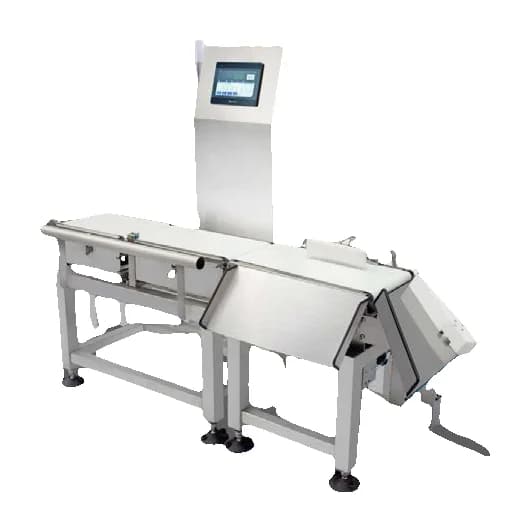
Multi-Function Rejecting and Diverting Checkweigher
View Specs & Price →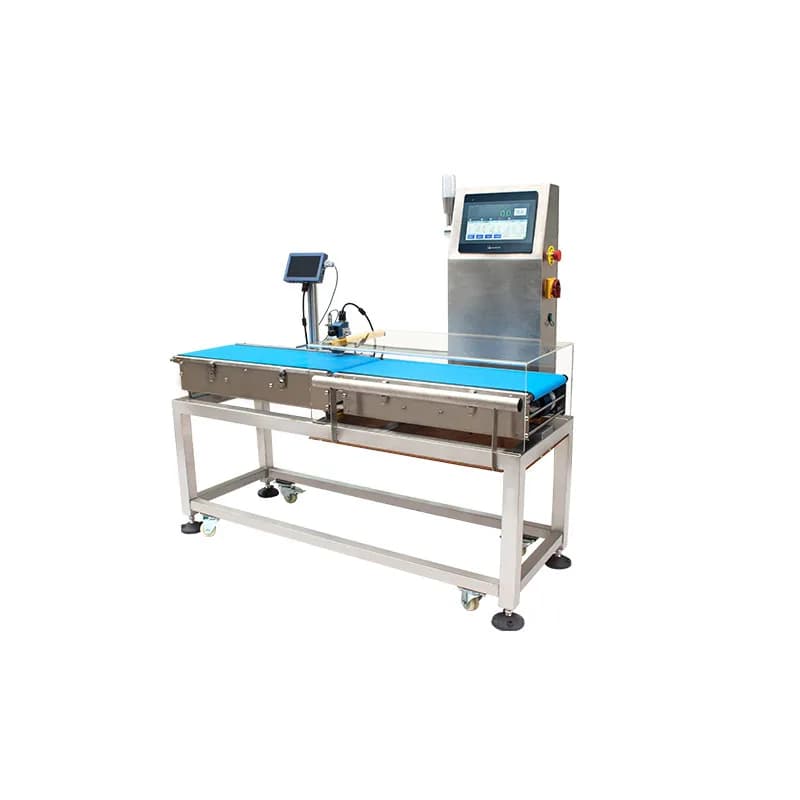
Dynamic Inkjet Coding Checkweigher
View Specs & Price →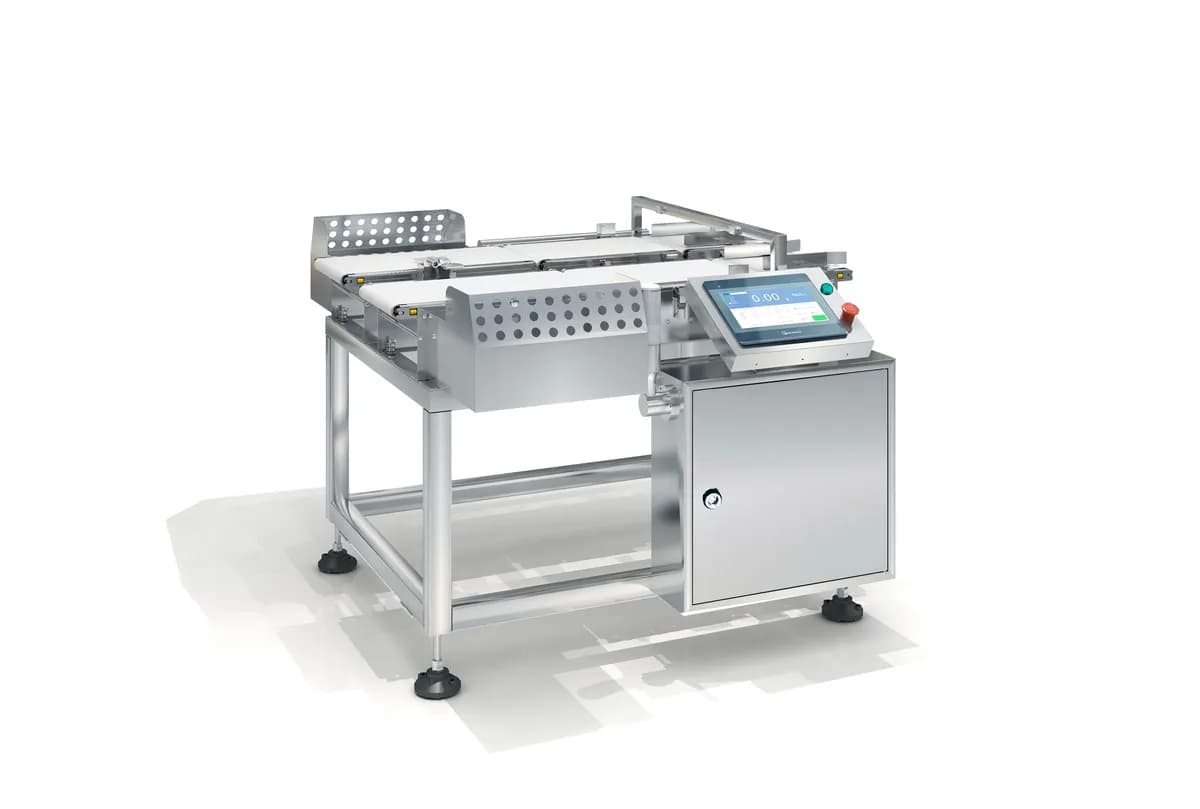
Dual-Channel Dynamic Checkweigher
View Specs & Price →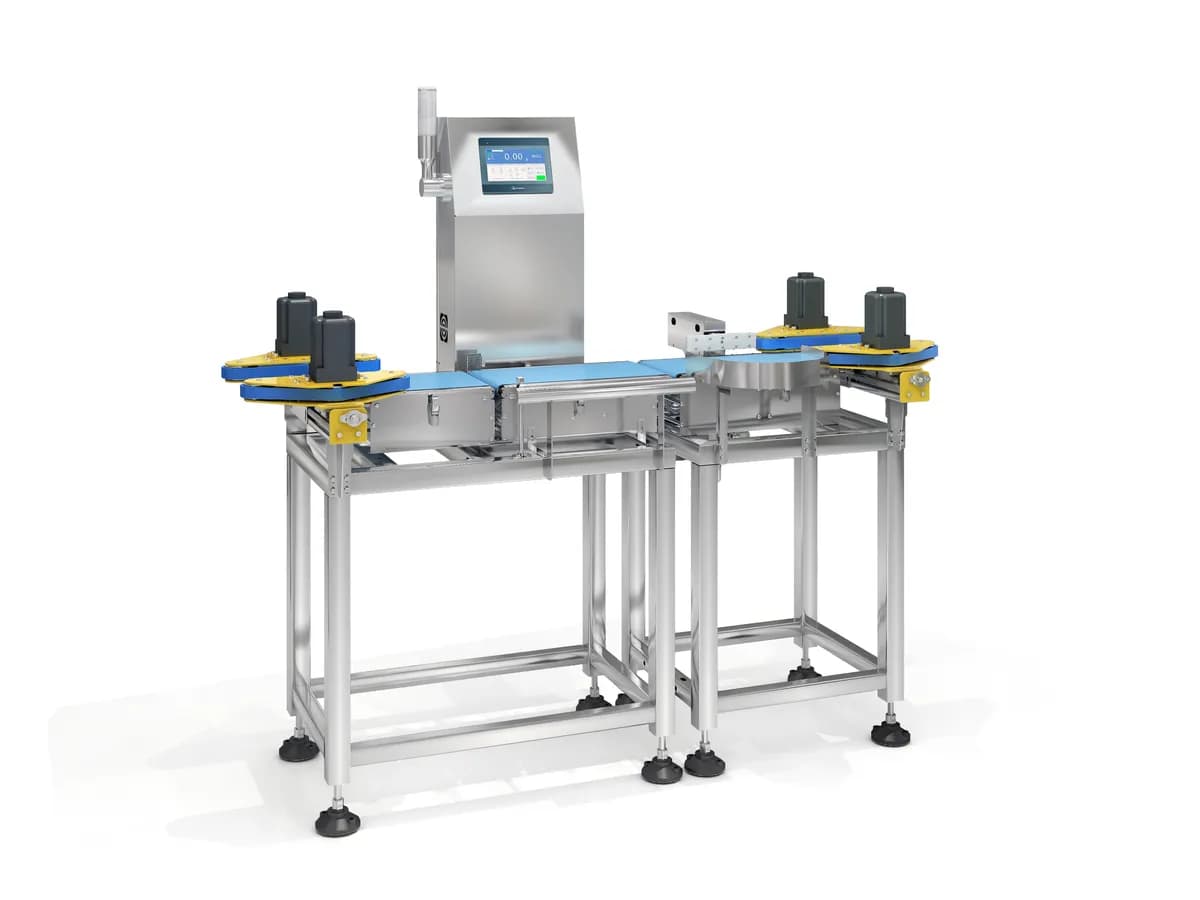
Automatic Bottle-Clamping Checkweigher
View Specs & Price →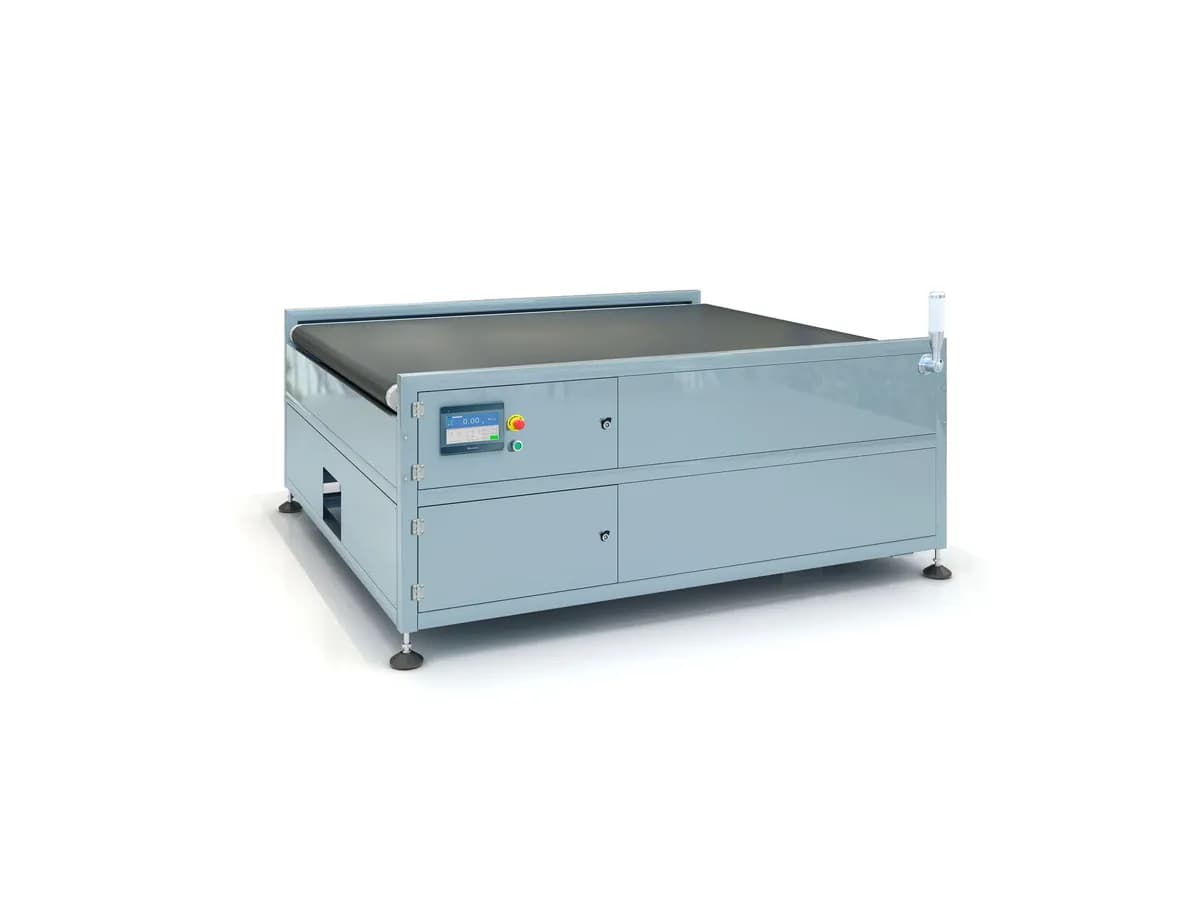
Air Cargo Container Weighing Machine
View Specs & Price →Custom Project Comparison
| Model | System | Key Specification |
|---|---|---|
| MQ-CR10060L30 | Drum-type inkjet weighing machine | 1-30 kg at ±10-30 g; print character height 1.25-7 mm; belt 5-60 m/min |
| MQ-CW4530L3 | Assembly-line checkweigher | 1-3000 g at ±0.5-2 g; built into existing lines; belt 5-40 m/min |
| MQ-DZ01 | Weighing + vision positioning + labeling | Label position follows the product via camera guidance |
| MQ-DZ05 | Explosion-proof scale | Project-specific hazardous-area requirements; classification and approval evidence must be verified |
| MQ-DZ08 | Dual-channel dynamic checkweigher | Two parallel weighing lanes in one frame |
| MQ-DZ10 | Air cargo container weighing machine | Weighing for air-freight unit load devices |
How a Custom Weighing Project Works
Define the process and input data
Provide product samples, weight and size range, line drawings, rate, tolerance, cleaning method and current failure cases. Describe why a standard layout does not fit.
Review the proposed configuration
Separate existing modules from custom handling, software and interfaces. Agree the operating sequence, access, fault response and responsibilities at each machine boundary.
Agree the factory acceptance test
Define test products, target speed, measurement method, rejection or routing challenges and data-record checks. Document the conditions and pass criteria before the test.
Confirm installation and handover
Review site utilities, conveyor alignment, operator training, spare parts and the site acceptance procedure. Record changes from the tested configuration and confirm how they will be checked.
Custom System Quote Factors
Custom weighing and inspection system price is an engineering result rather than a catalogue tier. Scope is driven by product handling, conveyors, sensors, guarding, control logic, data interfaces, testing, installation and commissioning. MIQI starts with an input-output description, representative samples and a line drawing, then separates standard modules from one-off engineering in the quotation.
Custom Weighing System Project Checklist
Product and handling evidence
Supply minimum and maximum sizes, center of gravity, unstable or wet surfaces, packaging variation and photographs of the transfers. These determine the conveyor and stabilization approach.
Throughput and measurement requirements
State pieces per minute, spacing, weighing range and tolerance together. Two lanes do not automatically double delivered output; infeed, discharge and upstream capacity also matter.
Interfaces and fault handling
Provide sample data records, barcode/label examples, the chosen protocol and who owns each field. Agree no-read, timeout, lost-record and restart behavior.
Environment and safety requirements
Document washdown, dust, chemicals, temperature and hazardous-area classification where applicable. Any required certification must be verified for the exact supplied configuration and destination; a catalogue name is not approval evidence.
Custom Weighing and Inspection Applications
Restricted conveyor layouts
Review transfer heights, footprint and access where a standard frame does not fit the existing line.
Cargo and warehouse weighing
Use the cargo and static weigh-print project entries as starting points for a site-specific layout and measurement requirement.
Unstable containers
Evaluate bottle-clamping or other support with samples; prove stable transfer and weighing rather than assuming it from container type.
Parallel product streams
Assess dual-lane handling with real arrival patterns, downstream capacity and lane-specific records.
Weighing, coding and labeling
Define the required functions and their interfaces, then confirm product-to-record matching and the action when a station fails.
Related Standard Equipment
Frequently Asked Questions
When should I choose custom instead of a standard machine?+
Choose custom when a specific handling, layout, environment or interface requirement cannot be met by a documented standard configuration. Compare the standard option first, including its limitations and the cost of line changes.
What information is needed to start a custom project?+
Provide samples, weight and size extremes, required output and tolerance, line drawings, site conditions, data examples and acceptance criteria. Mark requirements that are mandatory separately from preferences.
Does a custom project entry prove certification?+
No. Required approvals must be checked against the exact configuration, jurisdiction and application. Hazardous-area work needs the relevant area classification and verifiable equipment documentation before suitability can be confirmed.
Can a dual-lane system double production?+
It may increase available weighing capacity, but actual line output depends on feeding, spacing, product transfer, rejection and downstream capacity. The agreed test must measure completed throughput.
What should be recorded at factory acceptance?+
Record machine configuration, software or recipe identification, test products and conditions, individual measurement or inspection outcomes, routing/reject challenges and the agreed pass criteria. These are project requirements, not a claim of results from an unperformed test.
Ship us your product — free on-machine accuracy test with video proof
Free sample testing · OEM & custom design · 2-year warranty · Worldwide shipping