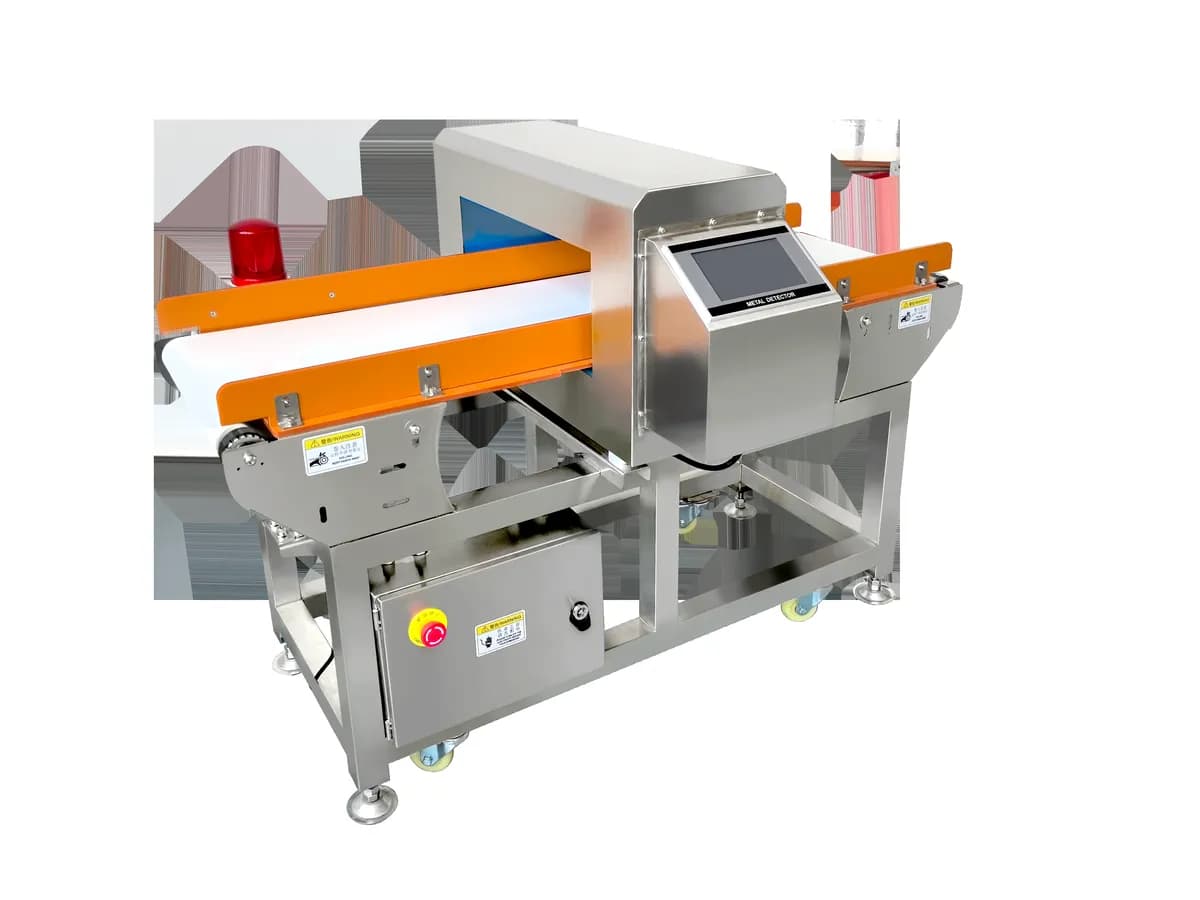
Aluminum Foil Metal Detector
Metal detector purpose-built for aluminum foil and metallized film packaging — detects magnetic spheres from Φ0.6mm, false reject rate <0.1%
Aluminum Foil Metal Detector (MQ-AF-D). Factory-direct from Guangdong, China. OEM & custom available.
Typical applications: Bottled cosmetics, aluminum foil/metallized film pouches, tea gift boxes
Key Features
- ✓Designed for products packaged in aluminum foil or metallized film
- ✓High-speed inspection at meters per minute with a false alarm rate below 0.1%
- ✓Flexible conveyor and rejection system configurations for demanding waterproof, explosion-proof, dust-proof, and vibration-resistant environments
- ✓Touchscreen with one-key self-learning for fast startup without manual tuning; multi-language interface
- ✓SUS304 mirror-finish stainless steel body with crevice-free quick-release clamps
- ✓Product parameter memory for seamless changeover across multi-product lines
Why Choose MQ-AF-D
Built for Foil Packaging
Standard metal detectors flood the screen with false alarms on foil bags and metallized film. This machine is engineered for exactly those packages: bottled cosmetics, foil/metallized film pouches and tea gift boxes run straight through while it picks out ferromagnetic contaminants inside — false reject rate <0.1%, no more crippling sensitivity just to accommodate the packaging.
Magnetic Spheres from Φ0.6mm
SAF-D series empty-machine sensitivity: model 3008 lists Φ0.6mm magnetic metal spheres and Φ2.5mm stainless steel spheres. These are reference test-piece values, not a guarantee for every fragment in production. Eight models cover aperture heights from 100mm to 400mm. Select the aperture for the package and confirm performance with representative product, contaminant material, shape and orientation at the intended speed.
Auto Stop, Reverse and Alarm
Standard handling on detection: automatic belt stop, reverse travel plus audio-visual alarm, returning the suspect product right in front of the operator so it never mixes into good product downstream. For faster lines, an optional reject unit diverts contaminated items automatically without stopping the line. 26 m/min belt speed, single-piece load up to 5kg.
One-Touch Self-Learning Changeover
Touchscreen control with one-touch self-learning: run a new product across the belt a few times and the machine records its product effect automatically — no veteran technician tuning parameters. Product memory stores multiple recipes, so mixed-product lines switch with a couple of taps. Multi-language interface; a general operator is job-ready after half a day of training.
SUS304 Body Passes Factory Audits
Full 304 stainless steel construction with a polished body and crevice-reduced clamp design supports easier cleaning in wet-process areas. This may support a facility's documented HACCP or GMP procedures but is not HACCP, GMP or CAS machine certification. Belt height is 700mm off the floor with a further 100mm of adjustment in the leveling feet, making it easy to align with upstream and downstream conveyors.
Eight Models, Sized to Your Product
From 3008 to 4025, eight models with detection aperture heights of 100/120/150/200/250/300/350/400mm and a 300mm width that can be customized. Pick a small aperture for pouches to maximize sensitivity, or a large one for gift boxes and cartons for clean pass-through — as the source factory, we configure the machine directly to your product dimensions.
Problems It Solves for You
Your products use foil bags or metallized film, and a standard metal detector alarms on every single pack — whole runs get falsely rejected, so sensitivity ends up dialed down to useless and the machine becomes expensive furniture
The MQ-AF-D is a metal detector designed specifically for foil and metallized film packaging: it screens out the signal interference from the packaging's aluminum layer and targets only ferromagnetic contaminants inside the bag, with a false reject rate held under 0.1% — a machine your line actually runs, not one it works around
A chipped blade, a broken sieve wire or a loose machine screw drops into the product; manual spot checks never catch it, the product reaches retail, a customer bites into metal — and one complaint with fines and delisting costs far more than the machine itself
Full inline inspection replaces spot checks: every piece passes through at 26 m/min belt speed, with model 3008 empty-machine sensitivity of Φ0.6mm for magnetic spheres and Φ2.5mm for stainless steel spheres. On detection the belt stops, reverses and sounds an audio-visual alarm — defective product never leaves the workshop
One line fills face cream today and seals tea gift boxes tomorrow; every changeover means a senior technician re-tuning the machine for half an hour, and one bad setup means a whole batch falsely rejected or contaminants slipping through
One-touch self-learning plus product parameter memory: new products build their own profile after a few passes on the belt, existing products load saved parameters instantly — changeover takes two taps on the touchscreen, no senior technician required on site
A customer audit reaches the metal detection step and the equipment material, cleaning dead zones or system documentation don't match HACCP/GMP requirements — the audit stalls and the order is lost
Full SUS304 stainless steel construction and exportable inspection records can support the facility's documented foreign-body control procedure. Only the facility's hazard analysis can designate the step as a CCP; the machine itself is not HACCP, GMP or CAS certified
Technical Specifications
| SAF-D series model codes | 3008; 3012; 4008; 4010; 4012; 4015; 4020; 4025 |
|---|---|
| Detection channel width (mm) | 300 Customizable |
| Detection channel height (mm) | 3008:100; 3012:120; 4008:150; 4010:200; 4012:250; 4015:300; 4020:350; 4025:400 |
| Magnetic-metal ball sensitivity (Φmm) | 3008:0.6; 3012:0.8; 4008:1.0; 4010:1.2; 4012:1.5; 4015:2.0; 4020:2.5; 4025:3.0 |
| Stainless-steel (SUS) ball sensitivity (Φmm) | 3008:2.5; 3012:2.5; 4008:2.5; 4010:3.0; 4012:3.0; 4015:3.5; 4020:3.5; 4025:3.5 |
| Overall dimensions | 1400×780×950(L×W×H) |
| Power supply | 220V 50Hz |
| Conveyor speed | 26m/min |
| Load capacity | Within 5kg |
| Operating method | Touchscreen operation |
| Rejection method | Automatic stop and reverse with audible/visual alarm; reject mechanism optional |
| Machine material | 304 stainless steel; hygienic design intended to support facility HACCP and GMP procedures |
| Conveyor height | 700mm (+100mm adjustable leveling feet) |
Functions in Detail
Reject and Alarm Logic
The standard response to a detection is automatic belt stop, reverse travel and audio-visual alarm: the suspect product returns to the operator, who confirms, removes it and resets — ideal for moderate-speed lines requiring piece-by-piece confirmation. High-volume customers who can't afford line stops can add an optional reject unit that diverts detections automatically while the main line keeps running.
Choosing Among Eight Models
The SAF-D series offers eight models — 3008/3012/4008/4010/4012/4015/4020/4025 — with aperture heights from 100mm to 400mm. Selection rule: pick the aperture one step above your product height; the smaller the aperture, the higher the sensitivity. Model 3008 detects Φ0.6mm magnetic spheres while 4025 corresponds to Φ3.0mm. Standard aperture width is 300mm, customizable to your product.
Operation and Changeover
Touchscreen operation with one-touch self-learning: run a new product over the belt a few times and the machine records the product effect and generates parameters automatically — no manual sensitivity tuning. Product parameters are stored in memory, so multi-product lines switch by simply loading the matching recipe. The multi-language interface lets general operators work independently after brief training.
Hygiene and Installation
The entire machine is built in SUS304 stainless steel and is designed for routine wipe-down cleaning. This construction may support a facility's documented HACCP or GMP procedures but is not HACCP, GMP or CAS machine certification. Overall dimensions are 1400×780×950mm (L×W×H), with the belt 700mm off the floor plus 100mm of adjustment in the leveling feet. It uses 220V 50Hz single-phase power; confirm the destination supply before ordering.
Load Capacity and Belt Speed
Belt speed is 26 m/min with a single-piece load limit of 5kg, covering mainstream single-item formats such as bottled cosmetics, foil pouches and tea gift boxes. For cased goods over 5kg, we recommend placing the machine at the single-item station before case packing — inspection granularity is finer and traceability far easier.
Industries & Application Scenarios
Creams and serums in bottles are typically sealed with metallized laminate tubes or foil liners, and standard metal detectors alarm on any aluminum. This machine targets ferromagnetic contaminants under foil-film packaging, inspecting inline after filling and before case packing — no unpacking for spot checks.
Tea gift boxes almost always use inner foil pouches for moisture and aroma protection. Once pruning-blade fragments or wear debris from rolling machines get into the tea and the foil pouch is sealed, it's too late to inspect — this machine screens before pouches go into boxes, with eight aperture heights from 100-400mm to handle loose pouches, tins and gift boxes alike.
Blister packs and foil pouches dominate pharmaceutical packaging. Iron debris from worn tablet-press punches is a possible contaminant source; this machine lists Φ0.6mm magnetic sphere sensitivity for model 3008 under empty-machine conditions. Its SUS304 body may support a facility's documented cleaning and GMP procedures, subject to site verification.
Potato chips, coffee, milk powder and meal-replacement powders commonly use metallized film bags that drown ordinary tunnel metal detectors in false alarms. Designed specifically for foil-film packaging, this machine detects ferrous metal inside the bag inline at 26 m/min belt speed with false rejects held under 0.1%.
Toothpaste aluminum tubes and travel-size sachets in metallized film pick up metal contamination mostly from equipment wear and chipped blade edges. Small and mid-size items up to 5kg per piece run straight on the belt; on detection the machine auto-stops, reverses and triggers an audio-visual alarm — intercepting the product before it reaches case packing.
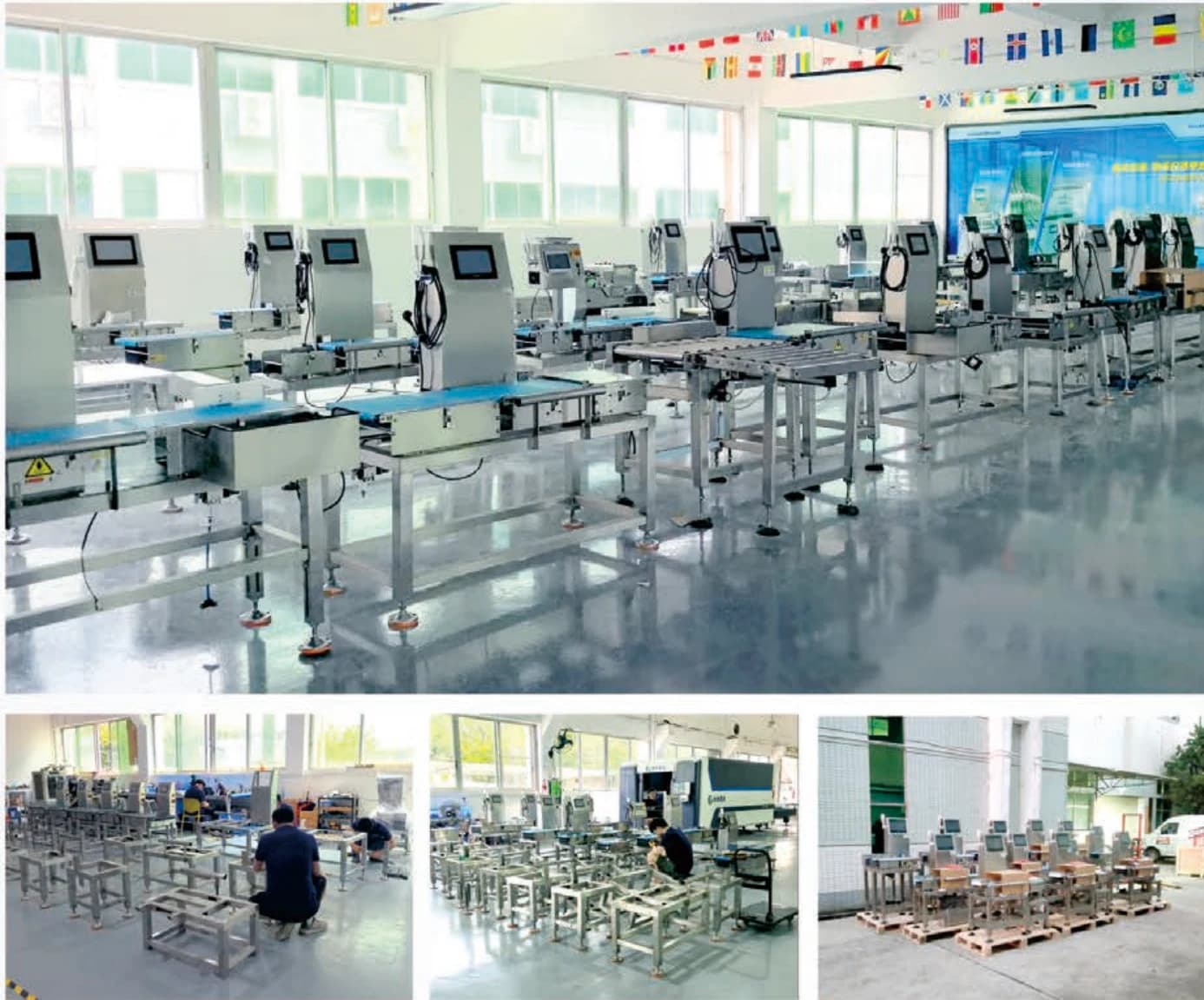
Own Factory · Seeing Is Believing
Guangdong Miqi designs, builds and tests every machine in-house — each unit is bench-tested before shipment. Free sample testing, on-site factory visits and live video of the running machine are all welcome.
Compare this model with other configurations in food metal detection systems.
Further reading
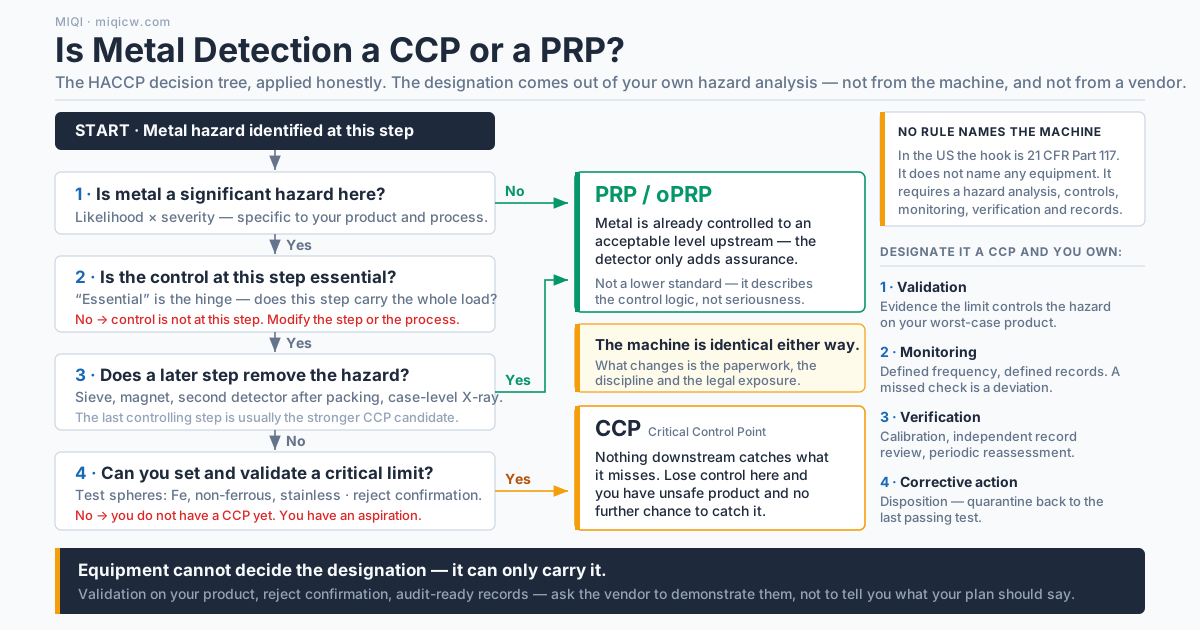
Is Metal Detection a CCP or a PRP? The Question Every Quality Manager Asks and No Equipment Vendor Answers
Metal detection can serve different roles in a documented food-safety system. Use hazard analysis, validated control limits and the applicable HACCP or food-safety standard to distinguish CCP, PRP and operational PRP responsibilities before selecting a detector and reject configuration.
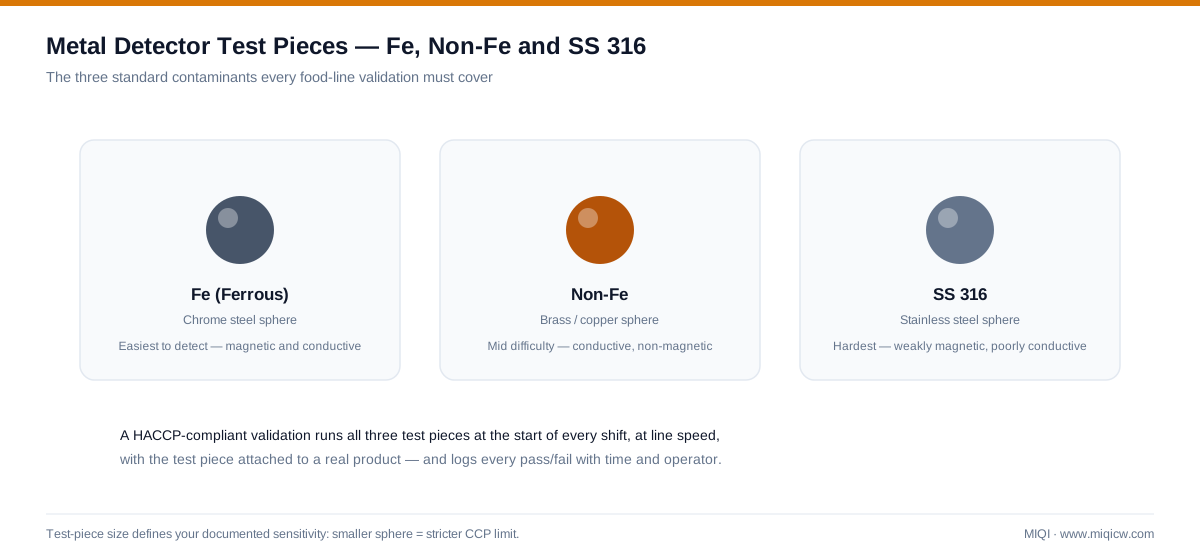
Food Metal Detector Testing, Sensitivity and Validation: A Line-Side Guide
A meaningful food metal detector test uses certified ferrous, non-ferrous and stainless-steel test pieces in the actual product, at the least favourable position, and confirms both detection and rejection. This guide separates routine verification from validation and explains product effect.
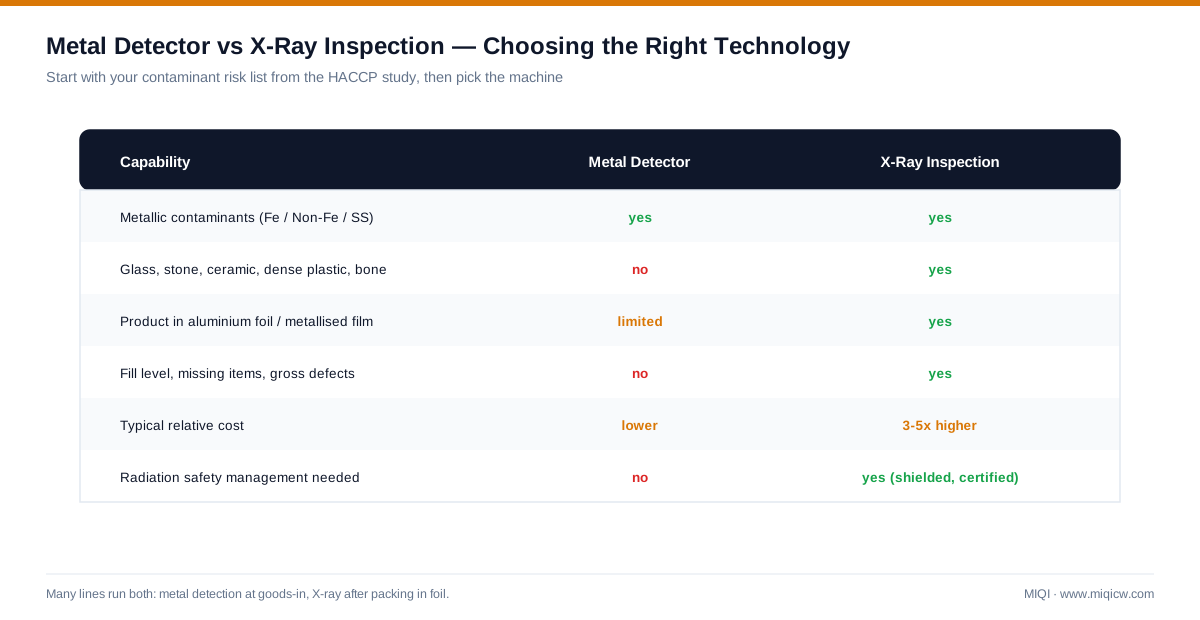
Metal Detector vs X-Ray Inspection: Which Food Inspection System Fits?
Metal detection is highly effective for metallic contaminants, while X-ray inspection responds to density contrast and may find glass, stone, ceramic and some dense plastics as well as metal. Packaging, product effect, contaminant risk, product thickness and required secondary checks decide the better technology.
Frequently Asked Questions
What is the price of Aluminum Foil Metal Detector (MQ-AF-D)?+
Pricing depends on the weighing range, rejection method, conveyor dimensions and selected options. Send the product weight, dimensions and line speed for a factory-direct quotation.
Does MIQI export Metal Detection worldwide?+
Yes. MIQI ships worldwide with export packing, operating documents, configurable voltage and remote commissioning support. OEM branding and application-specific engineering are available.
Tell Us About Your Product
Share your product weight range, dimensions and line speed — our engineer replies within 24 hours with model recommendation and quotation.
Related Models
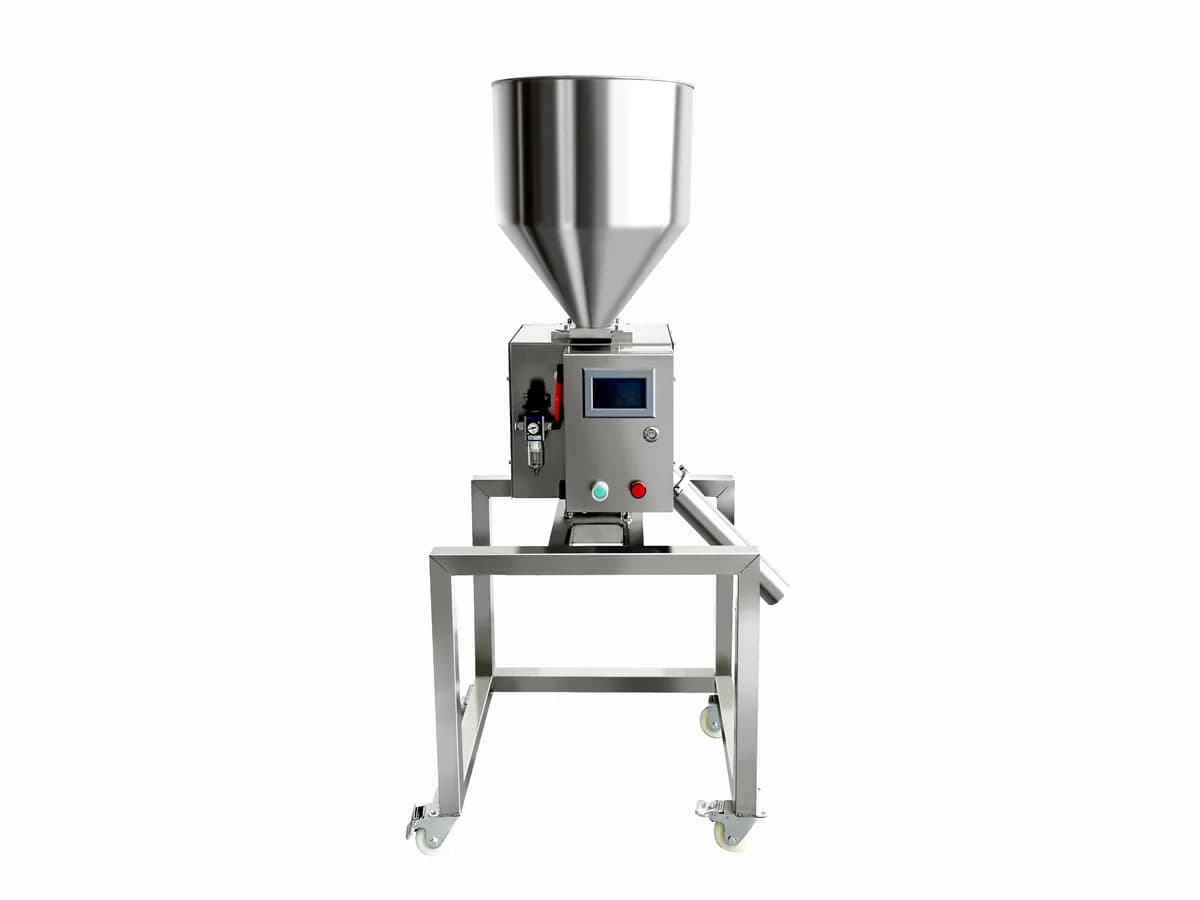
Metal Separator
- Ferrous (Fe) detection accuracy: MQ-MC-25:0.1~0.2mm; MQ-MC-30:0.2~0.3mm; MQ-MC-50:0.3mm; MQ-MC-70:0.5mm; MQ-MC-100:0.8mm
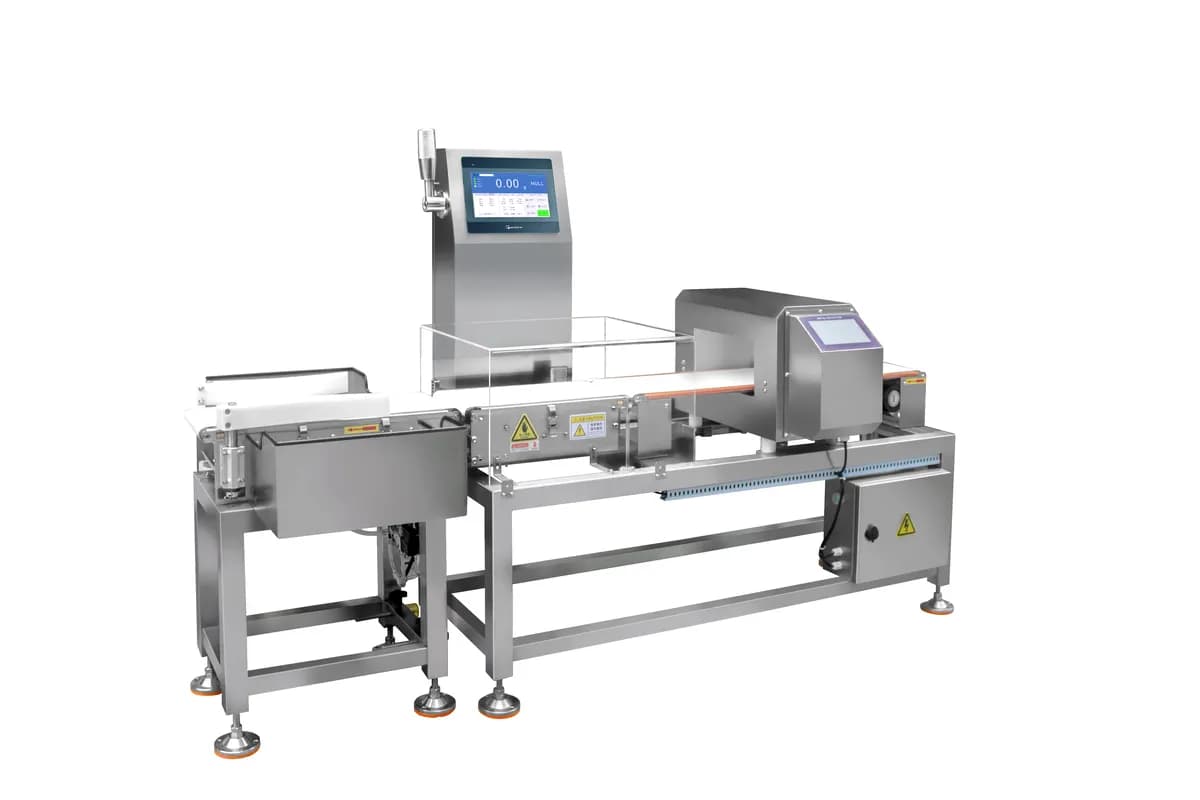
Combined Metal Detector and Checkweigher
- Weighing range: 1-2000g
- Weighing accuracy: ±0.3-1g