
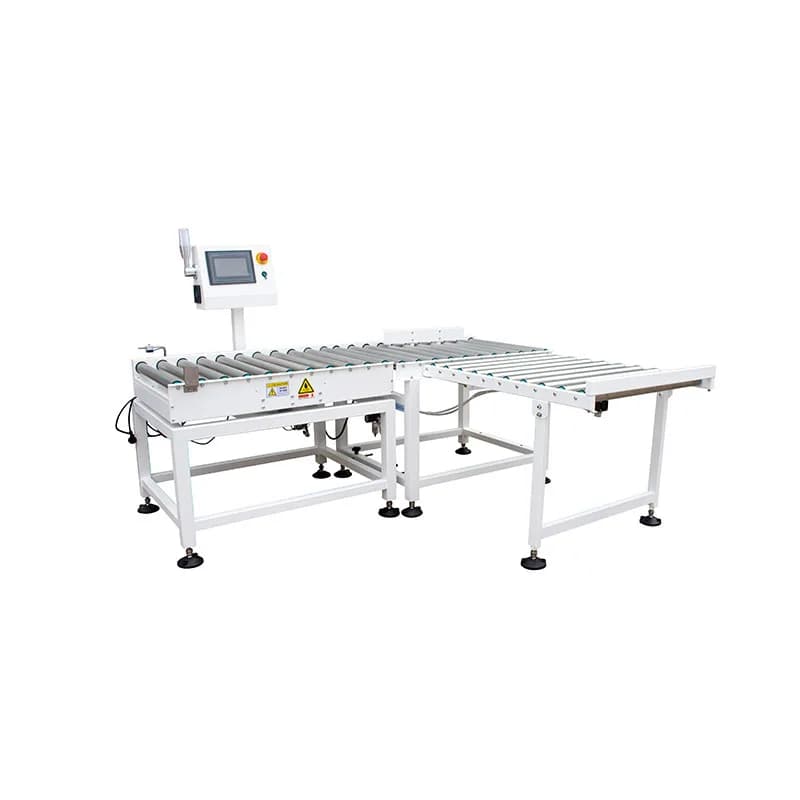
Food Missing and Extra Content Checkweigher
1-3000g weighing range with accuracy from ±0.3g — 100% in-line checkweighing that auto-rejects over/underweight food packs
Food Missing and Extra Content Checkweigher (MQ-CW4523L3) — range 1-3000g, accuracy ±0.3-2g. Factory-direct from Guangdong, China. OEM & custom available.
Typical applications: Detection of missing or extra contents in food packages; typical products include paper cartons, masks and bagged goods, and flexible snack pouches
Key Features
- ✓Adjustable guide plates for quick and easy product positioning changeover
- ✓Three-level user access management with customizable passwords
- ✓User-friendly touchscreen operation
- ✓Safety features including hazard alerts, emergency stop button, and protective guards
- ✓Variable-frequency drive (VFD) motor with speed adjustable as required
- ✓Integrates with cartoning machines, production lines, automatic filling machines, vertical packaging machines, and more
Why Choose MQ-CW4523L3
Full inspection from ±0.3g
With checkweighing accuracy of ±0.3-2g and 0.1g display resolution, a missing sauce sachet or one piece short in a carton — gram-level deviations never slip through. This is not spot-check luck: every single pack is weighed, and out-of-tolerance items are rejected straight off the line.
1g to 3kg on one machine
A 1-3000g weighing range covers everything from a few-gram seasoning sachet to a 3kg case pack, for products up to 300mm long and 220mm wide. Run multiple SKUs on one line without buying separate machines for small and large packs.
5-90 m/min line-matched speed
The variable-frequency motor lets belt speed adjust continuously from 5 to 90 m/min. Run fast behind a vertical form-fill-seal machine, slow down for a manual tray line — the checkweigher follows your line pace instead of becoming the bottleneck.
100 recipes, one-touch changeover
Store 100 product recipes on board. Switching SKUs is just recalling the recipe on the touchscreen, and adjustable guide rails reposition by hand in seconds — no half-day downtime for changeovers, even on multi-SKU, small-batch orders.
Five rejection modes, customizable
Choose from air blast, pusher, swing arm, drop flap, and flip plate rejectors — or have one customized. Air blast for soft pouches without damaging the film, pusher for cartons without tipping them over: the mechanism is matched to your product for clean, reliable rejection.
304 stainless steel, triple safety
The full 304 stainless steel housing resists corrosion and washes down easily, standing up to the moisture and daily cleaning of food plants. Hazard alerts, an emergency stop button, and safety guards keep operators safe and pass customer audits with confidence.
Problems It Solves for You
Manual sampling covers only a few dozen packs an hour, so products with a missing sachet still get boxed and shipped — until a retailer finds the shortage and returns the whole batch with penalties that cost far more than a machine
100% in-line inspection of every pack. With ±0.3-2g accuracy and 0.1g display resolution, one sachet short or one free gift extra exceeds the set limits and the machine rejects it automatically — defective packs never leave the factory.
One line runs a dozen SKUs and changeovers depend on a senior operator setting parameters by hand; the next shift enters the wrong limits and a whole shift's output is scrapped or wrongly released
100 pre-stored recipes recalled with one touch on the screen. Three-level operator permissions with custom passwords keep core parameters out of operators' hands — and every settings change is traceable by access level.
Soft pouches and cartons share the same line, and a generic rejector either blasts pouches open and spills product, or fails to push cartons and knocks them over, jamming the belt
Five rejection modes — air blast, pusher, swing arm, drop flap, flip plate — selected by product form, with custom options available. Gentle air for pouches, steady push for cartons: no spills, no tipped packs.
The checkweigher arrives and can't sync with the existing cartoner or filler — too fast crushes packs, too slow jams the flow, and it ends up used as an offline scale
Variable-frequency motor with belt speed continuously adjustable from 5-90 m/min, configurable in combination with automatic cartoners, filling machines, VFFS baggers, and conveyor lines — matched to your existing line pace.
Technical Specifications
| Product model | MQ-CW4523L3 |
|---|---|
| Stored recipes | 100 recipes |
| Display division | 0.1g |
| Conveyor speed | 5-90m/min |
| Weighing range | 1-3000g |
| Power supply | AC220V±10% |
| Weighing accuracy | ±0.3-2g |
| Machine material | Stainless steel 304 |
| Weighing section size | L 450mm*W 230mm |
| Overall dimensions | 1300×900×1400mm(LxWxH) |
| Suitable product size | L≤300mm; W≤220mm |
| Number of sections | Standard: 2 sections; optional: 3 sections |
| Rejection method | Air blast, pusher, swing arm, drop, upper/lower flap, etc. (customizable) |
| Optional features | Real-time printing, code-reading sort, inline inkjet coding, inline code reading, inline labeling |
Functions in Detail
How to choose a rejection mode
Five rejector structures are available as standard: air blast, pusher, swing arm, drop flap, and flip plate. Rule of thumb: air blast for light, soft pouches — moves them without damage; pusher or swing arm for cartons with some weight — moves them without tipping; drop flap or flip plate for continuous small items at higher efficiency. Tell us your product form and weight before ordering and we will configure the mechanism to your actual product; custom builds are also accepted.
Recipe and permission management
The machine stores 100 product recipes. At changeover, simply recall the matching recipe on the touchscreen — no need to reset parameters one by one. Three-level operator permissions with custom passwords: operators can only select a recipe and start, line leaders can fine-tune limits, and only engineers can change core parameters — preventing accidental changes after shift handover from misjudging an entire batch.
Integration with your line
A variable-frequency motor drives the belt continuously adjustable from 5-90 m/min, syncing with automatic cartoners, fillers, vertical baggers, or standard conveyors. The machine comes in a standard 2-section structure with a 3-section option, and infeed/outfeed connections are configured to your equipment spacing and reject collection method.
Safety, cleaning and maintenance
The housing is 304 stainless steel — corrosion-resistant and designed for easier wipe-down cleaning. The system includes hazard alerts, an emergency stop button, and safety guards, with one-touch shutdown if the belt jams or behaves abnormally. Routine maintenance is mainly belt cleaning and checking the guide rails, and the adjustable rails reposition by hand at product changeover. The facility must verify hygiene suitability for the installed configuration and cleaning process.
Optional function extensions
Add real-time printing, in-line coding, in-line code reading, code-based sorting, or in-line labeling as your management needs grow. Print checkweighing records on demand for customer audits; code-based sorting ties weighing to traceability, so every out-of-tolerance piece and every underweight batch is documented and traceable.
Industries & Application Scenarios
Chips, nuts, and dried fruit in small pouches are weighed piece by piece off the line. A missing desiccant or a short inner sachet is caught instantly; air-blast rejection leaves soft pouches undamaged, so rejected bags can be reworked and reused.
The catalogue lists 0.1g display increment; ±0.3g. Missing-item detection depends on the missing item's mass, normal product and packaging variation, and measurement uncertainty. Validate complete and deliberately incomplete real packs at the intended speed; weighing alone cannot identify every wrong or missing component.
Installed downstream of an automatic cartoner to detect missing items, leaflets, or gifts inside the box. Pusher or swing-arm rejection removes cartons without knocking them over — standard food boxes up to L 300mm x W 220mm run straight on the line.
Bagged masks are sold by piece count, and one piece short means a complaint. Set upper and lower limits by per-piece weight difference, and packs with extra or missing pieces are diverted automatically — replacing manual counting.
Connected at the outlet of an automatic filler to verify fill volume in-line. Underweight bottles and jars caused by clogged or dripping filling heads are rejected on the spot, while the data provides feedback for tuning upstream filling accuracy.
Boxed mooncakes and cakes are filled by piece count, and a missing piece shows a clear weight gap. Weighing the finished box catches shortages before incomplete products reach retail shelves and trigger batch-wide delisting.
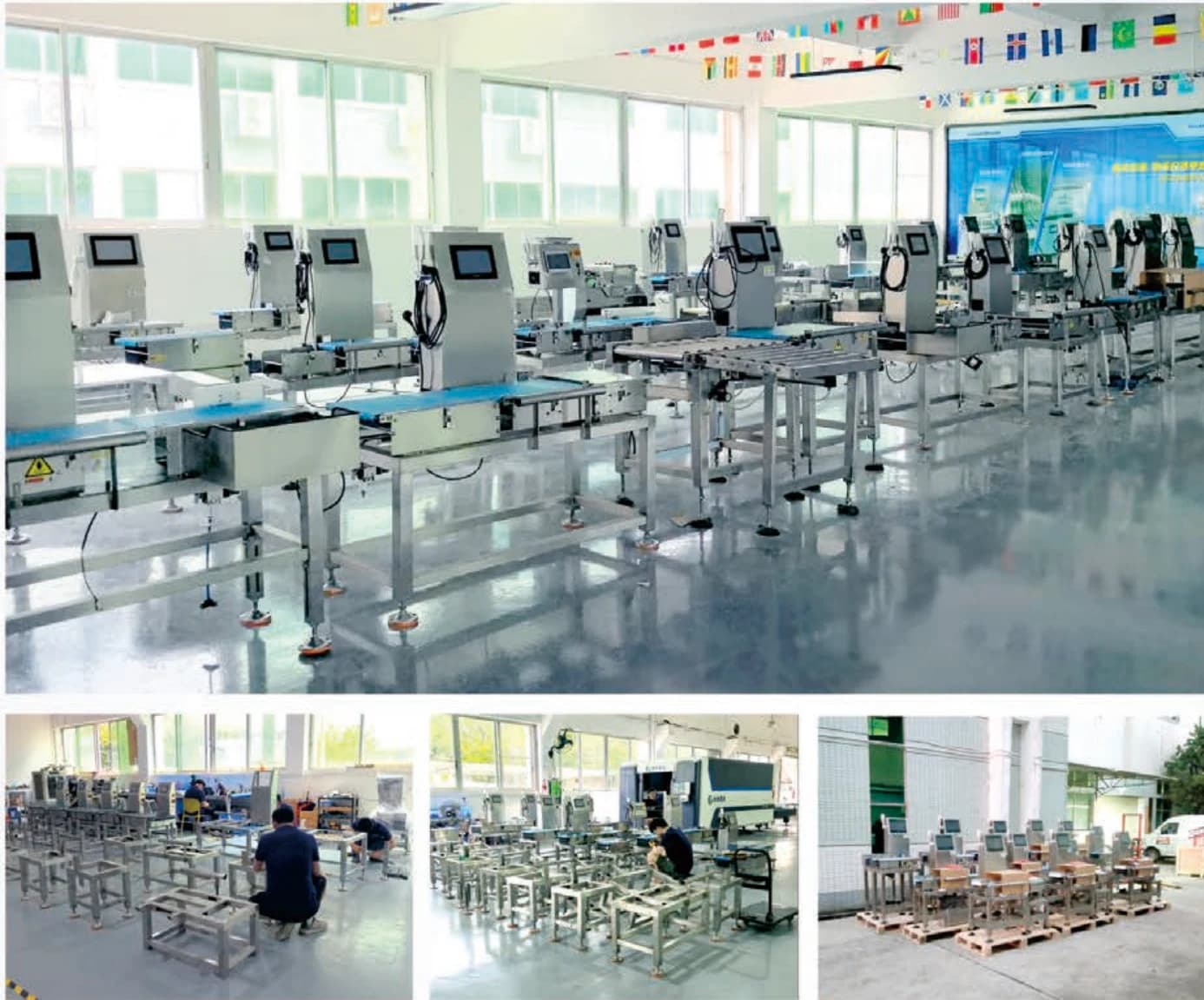
Own Factory · Seeing Is Believing
Guangdong Miqi designs, builds and tests every machine in-house — each unit is bench-tested before shipment. Free sample testing, on-site factory visits and live video of the running machine are all welcome.
Compare this model with other configurations in dynamic checkweigher models.
Further reading
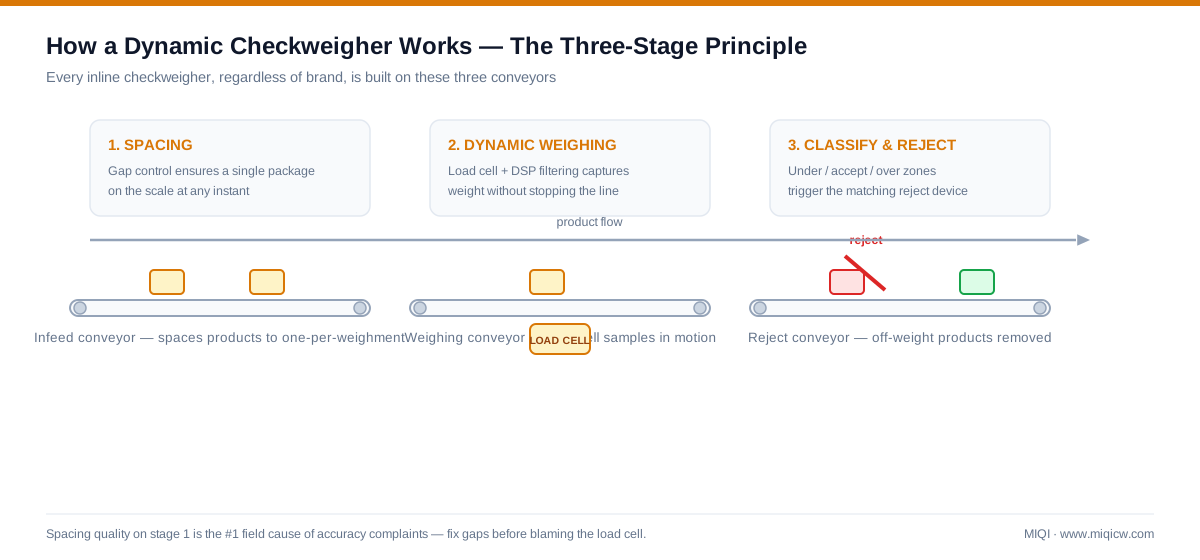
How Does a Checkweigher Work? Infeed, Dynamic Weighing and Automatic Rejection
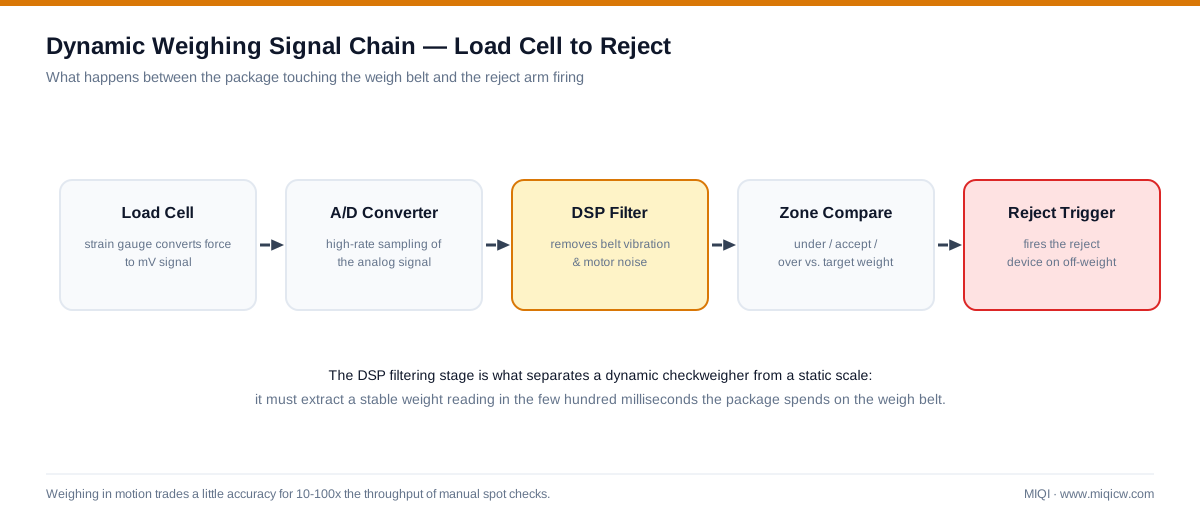
A dynamic checkweigher weighs every moving pack, compares the filtered result with recipe limits and removes or records exceptions. This engineering guide explains the complete three-stage process, the load-cell signal chain and the line conditions that determine repeatability.
Checkweigher Calibration and Dynamic Verification: A Practical Line Test
Calibration establishes the relationship between indication and reference mass; verification checks whether the complete checkweigher still performs acceptably in production. Use this repeatable workflow to test multiple weights, speeds and reject outcomes without confusing resolution with accuracy.
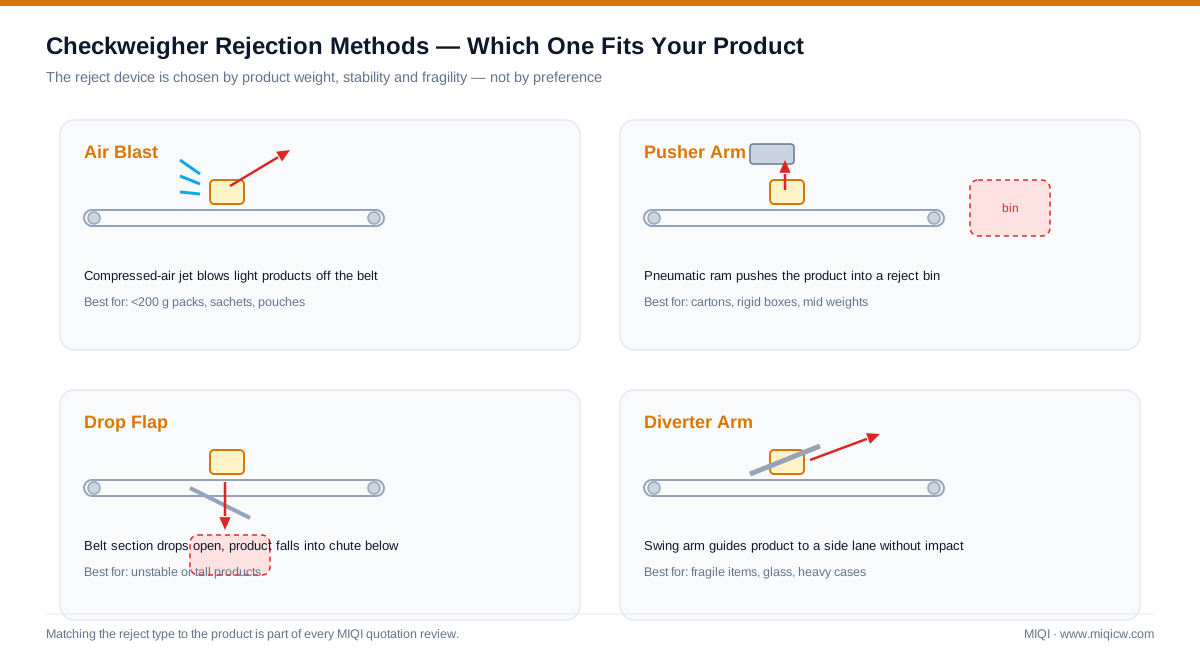
Checkweigher Reject Systems: Air Blast, Pusher, Flap, Arm, Wheel or Stop Alarm
The best checkweigher rejector is the one that removes the real product reliably at the real speed. Compare six mechanisms by product mass, stability, line rate, available air, hygiene and fail-safe confirmation requirements.
More related guides
- Checkweigher and Packaging Line Machine Safety: Guards, Interlocks or Light Curtains?
- Was FSMA 204 Really Delayed to July 2028? What Every Other Article Gets Wrong
- No, Your Checkweigher Is Not "FSMA 204 Compliant" — Here's the Regulation That Actually Applies
- Decoding Checkweigher Accuracy: What "±0.1 g" Actually Means (Sigma Conventions and How to Compare Vendors)
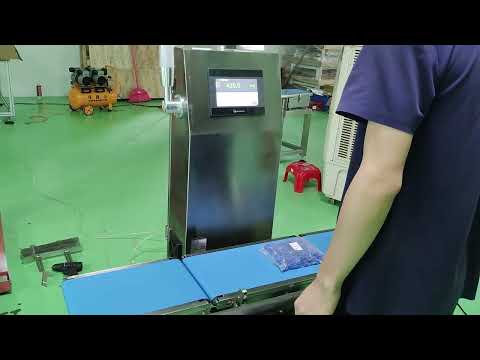
MQ-CW4523L3 — Watch the Machine Running
Real machine footage with genuine on-screen readings — no animation.


Frequently Asked Questions
What is the price of Food Missing and Extra Content Checkweigher (MQ-CW4523L3)?+
Pricing depends on the weighing range, rejection method, conveyor dimensions and selected options. Send the product weight, dimensions and line speed for a factory-direct quotation.
Does MIQI export Automatic Checkweighers worldwide?+
Yes. MIQI ships worldwide with export packing, operating documents, configurable voltage and remote commissioning support. OEM branding and application-specific engineering are available.
Tell Us About Your Product
Share your product weight range, dimensions and line speed — our engineer replies within 24 hours with model recommendation and quotation.
Related Models
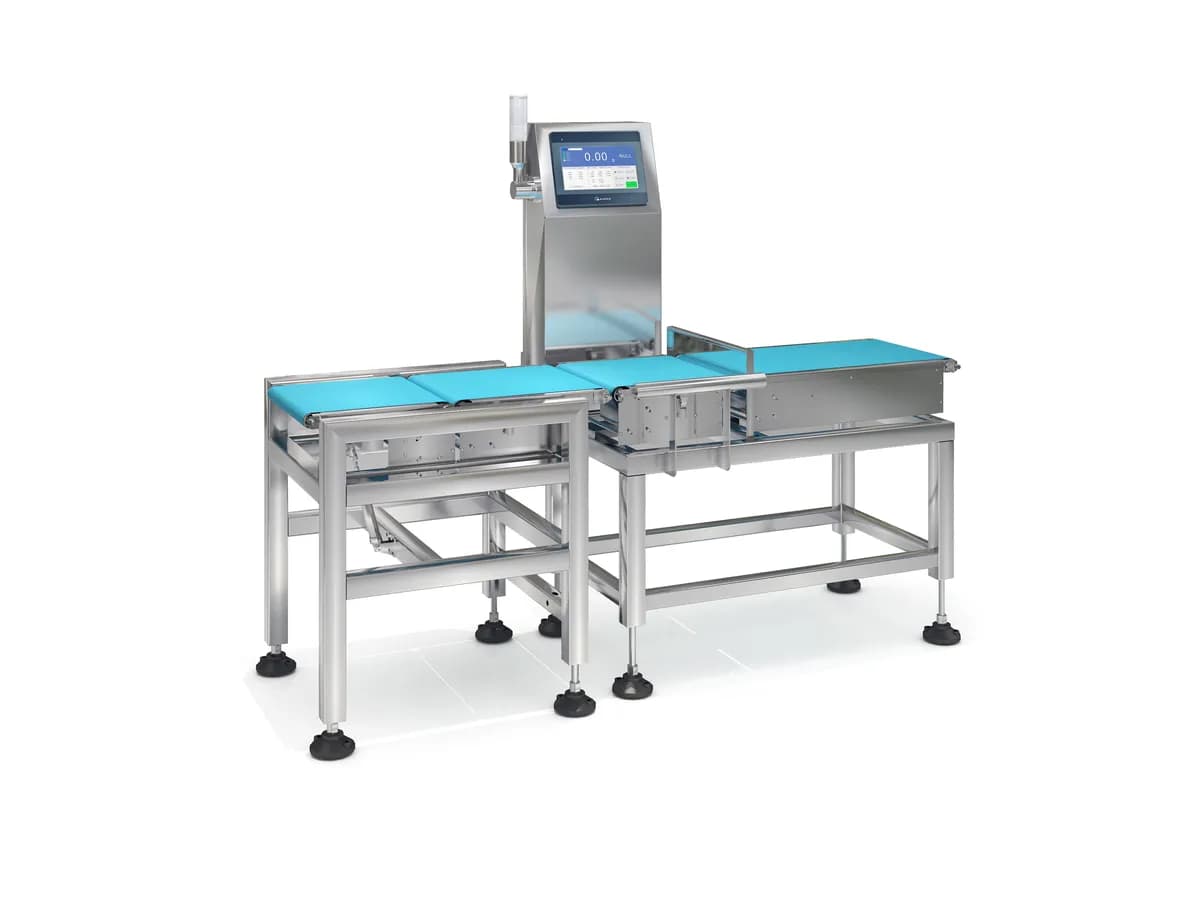
High-Speed Dynamic Book Checkweigher
- Weighing range: 1-5000g
- Weighing accuracy: ±0.5-3g
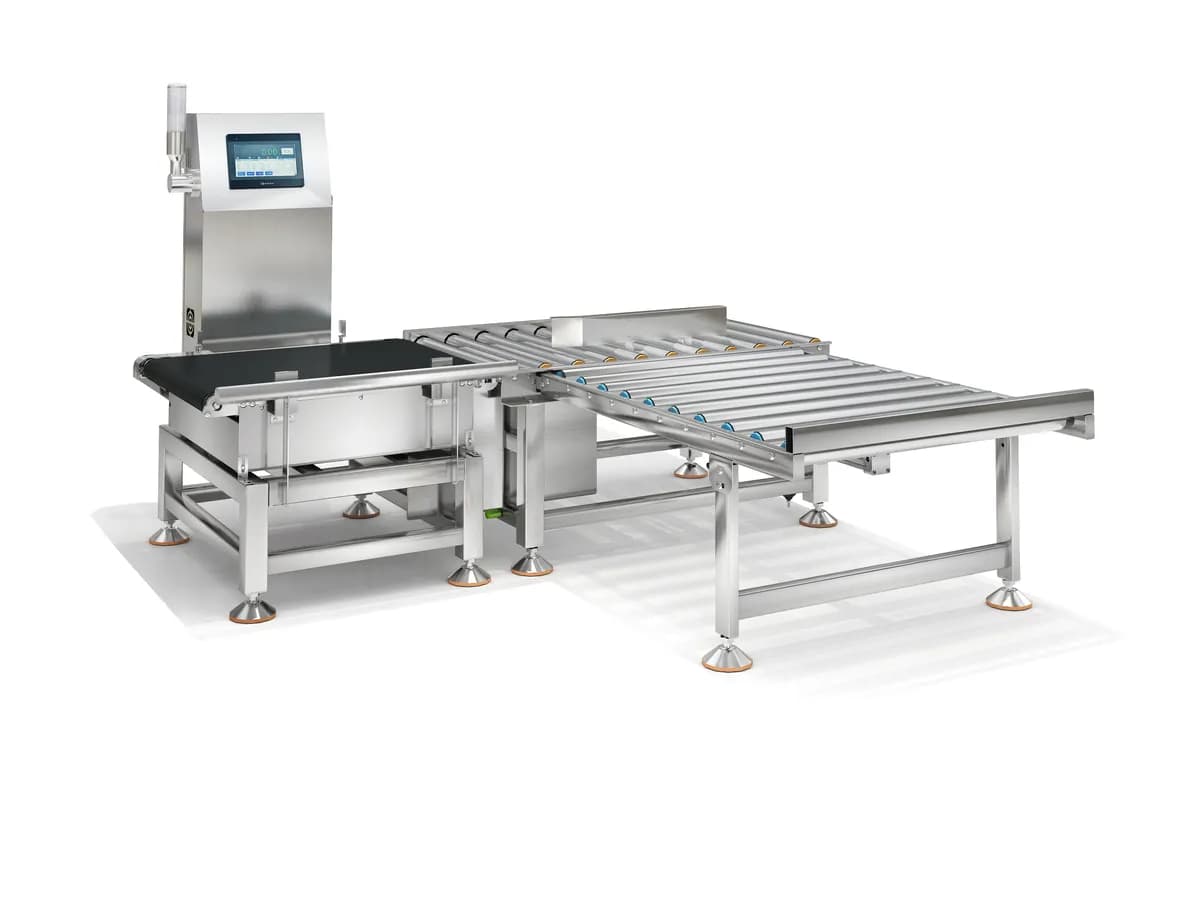
Automatic Checkweigher
- Weighing range: 0.05-30kg
- Weighing accuracy: ±3-10g
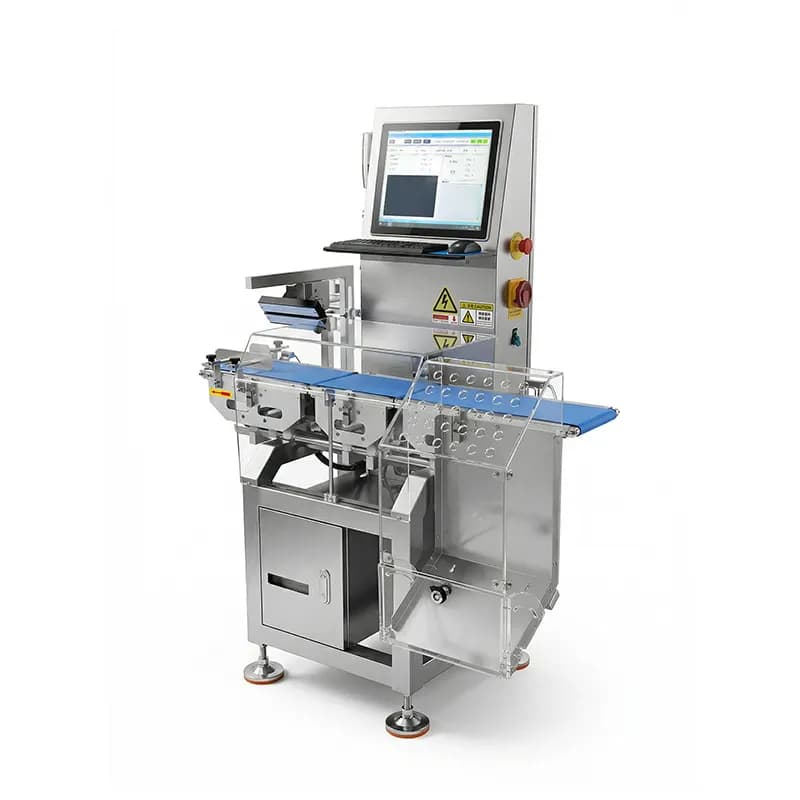
Integrated Vision Inspection and Checkweighing Machine
- Weighing range: 1-1000g
- Weighing accuracy: ±0.05-0.3g
Powered Roller Checkweigher
- Weighing range: 1-30kg
- Weighing accuracy: ±15-30g