Air Cargo Container Weighing Machine
In-line dynamic checkweighing for air cargo containers and large logistics boxes — automatic reject of out-of-tolerance boxes, with weighing range and frame custom-built to your box type by the source factory.
Custom-built model: This is a non-standard, made-to-order machine. Structure, dimensions, rejection method and configuration are engineered to your product and production line. Image for reference only — contact us with your application for a tailored solution and quote.
Air Cargo Container Weighing Machine (MQ-DZ10). Factory-direct from Guangdong, China. OEM & custom available.
Typical applications: Air cargo & airport ground handling · Express & logistics transfer hubs · Home appliance manufacturing · Furniture & sanitary ware (large items)
Key Features
- ✓High-capacity weighing for air cargo container (ULD) class loads
- ✓Heavy-duty roller conveyor structure with high impact resistance
- ✓Real-time weight data upload with integration to airport and cargo terminal systems
- ✓Custom-engineered to match cargo terminal workflows
Why Choose MQ-DZ10
In-motion whole-box weighing, no line stops
Air cargo boxes and large outer cartons are weighed as they travel down the conveyor — no manual lifting onto a bench scale, no hand-copied figures. Weighing, pass/fail judgment and release happen in a single pass, the flow never breaks, and weighing won't become a box-stacking bottleneck during export peaks.
Automatic reject of out-of-spec boxes
Weight-based completeness checking must be validated using real complete packs and representative missing-item cases. Product and packaging variation can overlap the missing item's weight. Agree thresholds and verify rejection at the intended speed; a checkweigher cannot guarantee component identity or detection of every shortage.
Heavy-duty frame built to your box type
Air cargo boxes are large, heavy per unit and cycle fast; this machine is custom-built to your actual box type — weighing-platform size, conveyor height and load-bearing structure all matched and aligned to the upstream and downstream conveyors. It is not a small checkweigher forced to carry heavy-box duty.
Source factory, one machine per case
Miqi is the source factory for checkweighers. This is a made-to-order model: range, accuracy and line speed are configured to your box type, per-box weight range and line takt. We confirm the working conditions before quoting; parameters follow actual sizing tests — no inflated numbers.
Per-box data on file, always traceable
Every box's weighing result can be logged and archived — evidence on hand for export hand-off, cargo-damage disputes and freight audits. How it links to your warehouse or labeling system can be agreed at the customization stage; weight records no longer rely on hand-copying.
Problems It Solves for You
Air freight is billed by weight. Before shipping you only spot-check on a floor scale; the whole batch is re-weighed at the cargo station, out-of-tolerance boxes get surcharged or the whole pallet is bounced back for re-planning — you miss the flight and pay extra freight.
In-line box-by-box dynamic weighing records every box's weight before it leaves the plant, out-of-spec boxes are auto-rejected off the line for re-check, and the re-weigh dispute is settled inside your own warehouse — you hand the cargo station weight data you can stand behind.
Lifting large boxes onto a bench scale takes two people per box — slow, and easy to knock the goods. When shipping volume spikes, a queue forms at the weighing station and hiring can't keep up.
Boxes are weighed and judged automatically as they pass over the platform on the conveyor — no manual lifting. Weighing stops being the bottleneck at the end of the packing line, and the freed-up hands move to boxing and label application.
Short-packs and over-packs in whole-box shipments are caught by manual counting — you simply can't count dozens of parts per box. The customer files a short-shipment claim, and afterward no one can trace where the shortage happened.
Weight-based completeness checking must be validated using real complete packs and representative missing-item cases. Product and packaging variation can overlap the missing item's weight. Agree thresholds and verify rejection at the intended speed; a checkweigher cannot guarantee component identity or detection of every shortage.
Each box's weight is logged by hand — sloppy handwriting, missed or wrong entries — and at month-end the freight figures don't reconcile with the logistics company. You eat the loss with nothing to show.
Per-box weighing data is recorded and archived automatically and can link to your existing warehouse or labeling system on demand; at freight-audit time you pull each box's record and reconcile line by line — the account is crystal clear.
Functions in Detail
Reject method
The reject mechanism is designed to match box weight and box type; heavy boxes typically use pusher-type or lane-diverting rejection to move out-of-spec boxes smoothly into a hold lane, preventing large boxes from toppling, jamming or crushing the belt at the moment of rejection. The exact reject form and lane layout are confirmed at the customization stage against your on-site box type and floor space.
Weighing & judgment flow
After a box enters the platform it is dynamically sampled and weighed, outputting the weight value and a pass / over / under result in real time: pass boxes are released straight to the next conveyor section, out-of-spec boxes trigger the reject action, with no line stop throughout. Judgment thresholds are set from each box type's standard weight and tolerance; switching box types simply calls up the matching parameters.
Data management
Per-box weighing results are logged and archived automatically, including weight value and judgment result, and can be exported for freight audit, export hand-off records and quality traceability. How it interfaces with your existing warehouse-management and labeling systems is agreed at the customization stage against your on-site network and software environment, so you don't end up with disconnected data after go-live.
Customization & sizing flow
This is a made-to-order model. Before ordering, four working conditions must be confirmed: box size range, per-box weight range, line speed, and upstream/downstream connection height. Miqi issues a proposal based on actual conditions, fixing the range, accuracy, platform structure and reject configuration, and provides a dimensional drawing for line-layout checking — we don't quote parameters lightly when conditions are unclear.
Structure & routine maintenance
The load-bearing structure and conveying form are designed for heavy large-box duty; routine maintenance centers on cleaning the conveying surface and periodically calibrating the weighing sensor. As the source factory, we supply wear parts directly by model, provide maintenance guidance with the machine, and your line technicians can handle daily upkeep from the instructions without relying on an on-site engineer.
Industries & Application Scenarios
Per-box re-weigh checks before ULD/pallet build-up give accurate, traceable load-planning weights, cutting surcharges, off-loads and flight delays caused by out-of-tolerance re-weighs at the cargo station.
Large parcels and bulk consolidation bags are weighed in-line on the sorting conveyor, chargeable weight is logged per item, and out-of-spec pieces are auto-diverted for re-check — heading off freight disputes with customers and trunk-line carriers.
Whole-unit outer cartons of air conditioners, washing machines and TVs are checkweighed before leaving the plant; weight deviations from missing manuals, remotes or wall brackets are rejected on the spot for re-check, reducing short-ship complaints on delivery.
Flat-pack furniture and bathroom products ship in multiple packs; missing hardware or accessory bags are intercepted by weight comparison, and short boxes are rejected before loading — sparing the after-sales cost of shipping missing parts to the customer's install site.
B2B whole-box outbound re-check puts a final weighing gate at the dispatch point to catch picking and packing errors, while generating a per-box weight file for shipping hand-off and claim evidence.
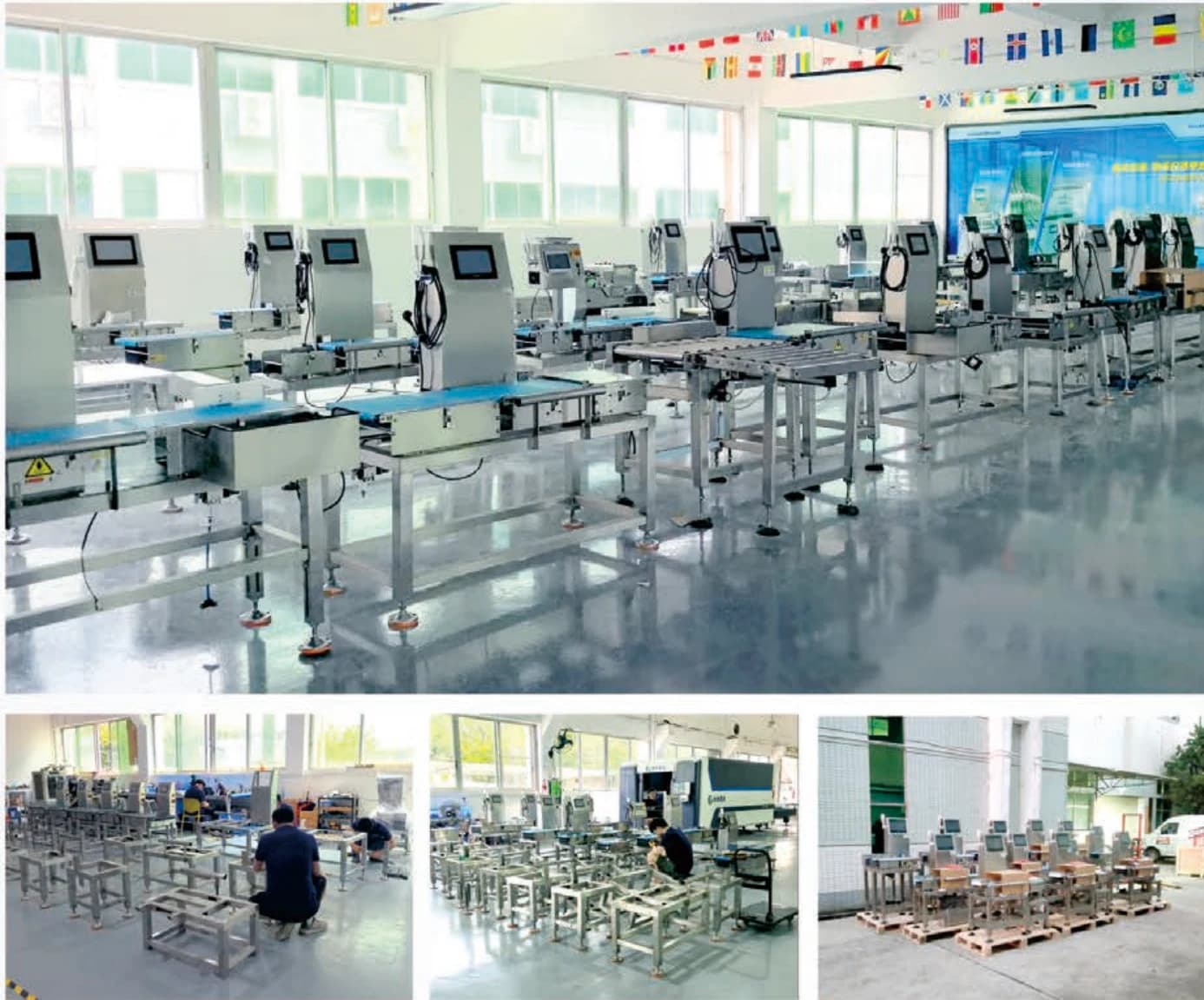
Own Factory · Seeing Is Believing
Guangdong Miqi designs, builds and tests every machine in-house — each unit is bench-tested before shipment. Free sample testing, on-site factory visits and live video of the running machine are all welcome.
Compare this model with other configurations in custom weighing and inspection systems.
Frequently Asked Questions
What is the price of Air Cargo Container Weighing Machine (MQ-DZ10)?+
Pricing depends on the weighing range, rejection method, conveyor dimensions and selected options. Send the product weight, dimensions and line speed for a factory-direct quotation.
Does MIQI export Custom Solutions worldwide?+
Yes. MIQI ships worldwide with export packing, operating documents, configurable voltage and remote commissioning support. OEM branding and application-specific engineering are available.
Tell Us About Your Product
Share your product weight range, dimensions and line speed — our engineer replies within 24 hours with model recommendation and quotation.
Related Models
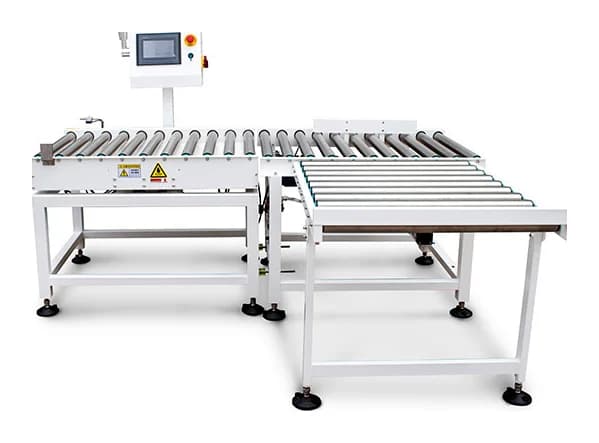
Roller-Type Inkjet Coding and Weighing Machine
- Weighing range: 1-30kg
- Weighing accuracy: ±10-30g
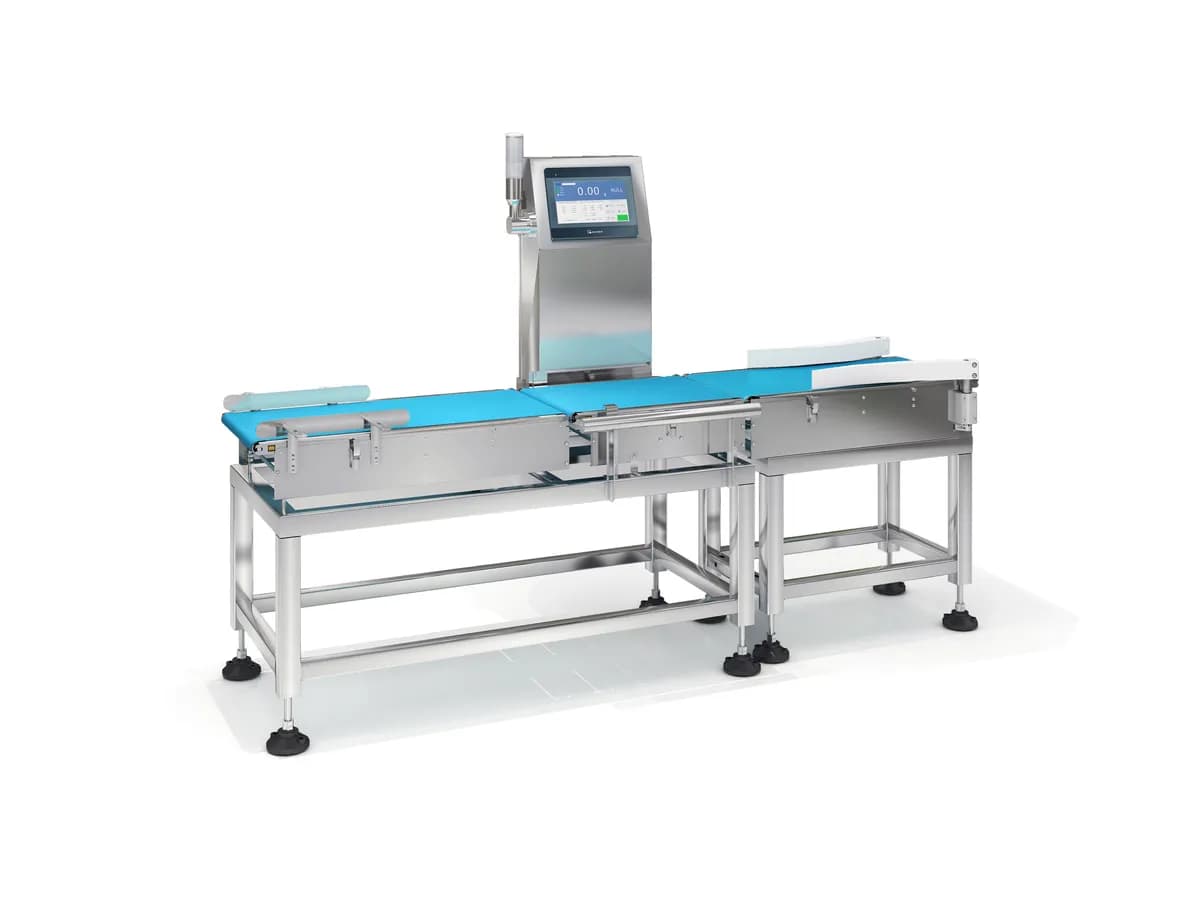
Precision In-Line Checkweigher for Assembly Lines
- Weighing range: 1-3000g
- Weighing accuracy: ±0.5-2g
Automatic Weighing, Vision Positioning and Instant Print-and-Apply Labeling Machine
View Specs & Price →