
Insights
Regulatory deadlines, inspection technology and buyer guides — written by our engineers, sourced and dated.
Explore guides by equipment task
Start with a product family, then follow the relevant selection, testing and integration guides.
Automatic Checkweighers
Compare equipment →- Checkweigher and Packaging Line Machine Safety: Guards, Interlocks or Light Curtains?
- How Does a Checkweigher Work? Infeed, Dynamic Weighing and Automatic Rejection
- Checkweigher Calibration and Dynamic Verification: A Practical Line Test
- Checkweigher Reject Systems: Air Blast, Pusher, Flap, Arm, Wheel or Stop Alarm
- Decoding Checkweigher Accuracy: What "±0.1 g" Actually Means (Sigma Conventions and How to Compare Vendors)
- No, Your Checkweigher Is Not "FSMA 204 Compliant" — Here's the Regulation That Actually Applies
- Was FSMA 204 Really Delayed to July 2028? What Every Other Article Gets Wrong
Metal Detection
Compare equipment →- Food Metal Detector Testing, Sensitivity and Validation: A Line-Side Guide
- Metal Detector vs X-Ray Inspection: Which Food Inspection System Fits?
- Is Metal Detection a CCP or a PRP? The Question Every Quality Manager Asks and No Equipment Vendor Answers
- Indonesia's 17 October 2026 Halal Deadline: What It Actually Means for Your Inspection and Weighing Equipment
X-Ray Inspection
Compare equipment →Logistics Weighing (DWS)
Compare equipment →- In-Motion Parcel Weighing and DWS Integration: What Each Module Does
- USPS DIM Divisor Drops to 139 on July 12, 2026: What the 19.4% Billable-Weight Jump Means for Your Packing Line
- Weigh-Price Labeling vs Weigh-Print-Apply: Functions, Data and Compliance
- EU €3 Small-Parcel Duty: Tariff Categories, Packing Records and Weight Checks
Weigh-Price Labeling Machines
Compare equipment →Rotary Sorting Scales
Compare equipment →Weight Sorters
Compare equipment →Packing Machines
Compare equipment →Custom Solutions
Compare equipment →Insights
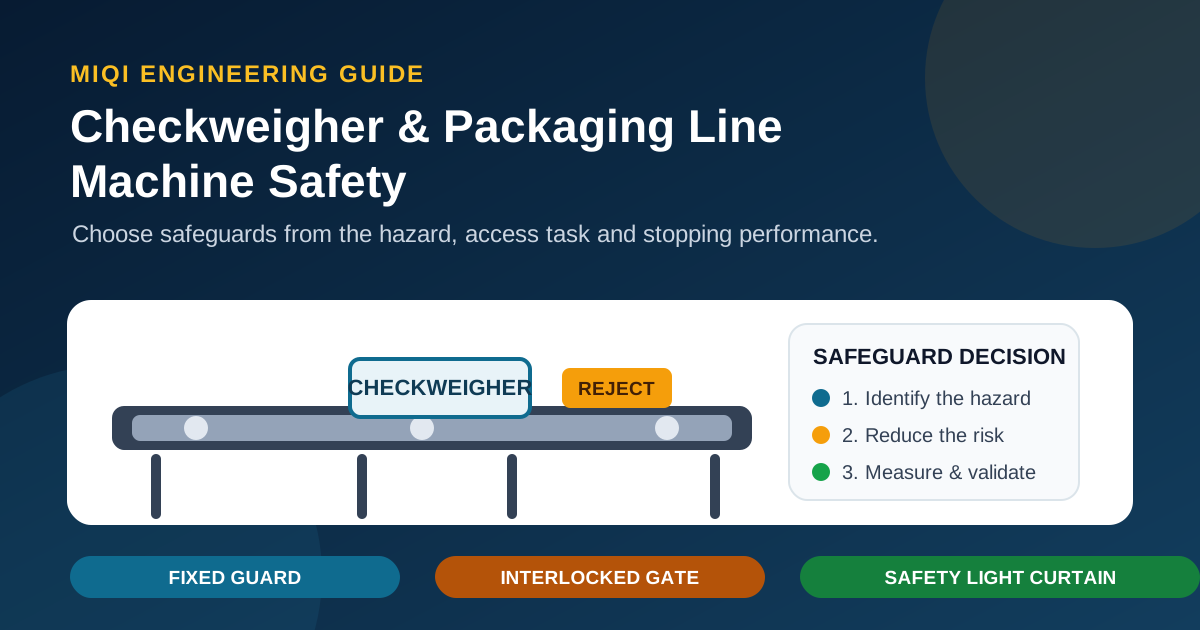
Checkweigher and Packaging Line Machine Safety: Guards, Interlocks or Light Curtains?
A practical risk-assessment guide for checkweigher conveyors, pusher and swing-arm reject stations, collection bins and packaging-machine interfaces. It explains when to use fixed guards, interlocked gates, guard locking, safety light curtains or area detection, and what must be measured before commissioning.
Read article →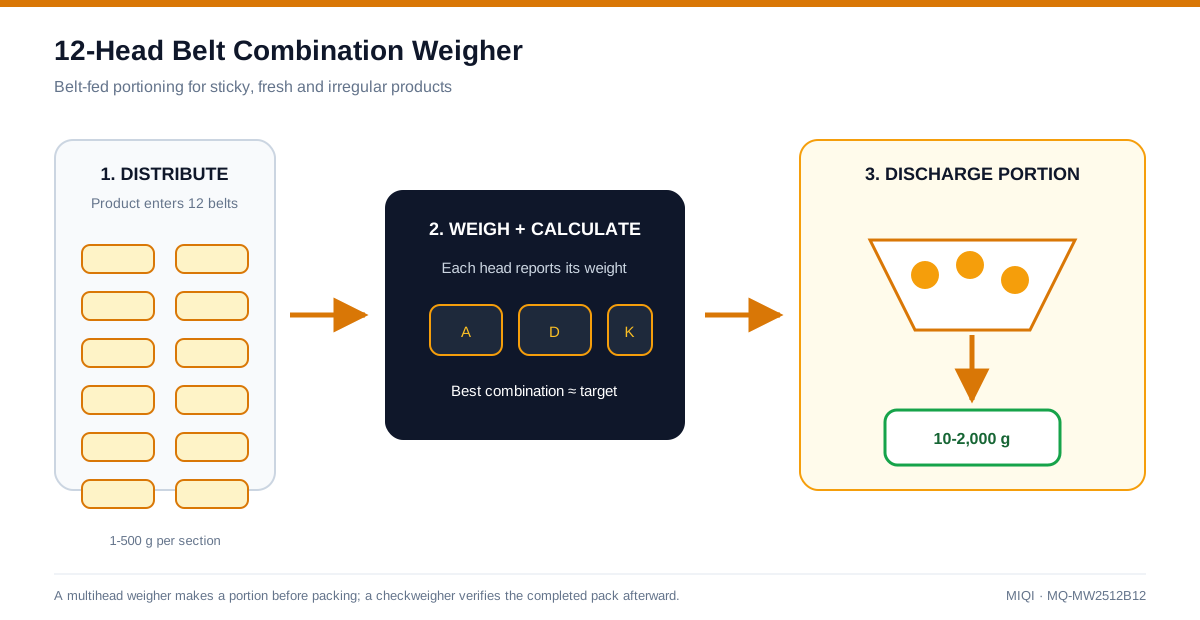
Belt-Fed Multihead Weigher Guide for Sticky, Fresh and Irregular Products
A belt-fed multihead weigher measures several small amounts and releases the combination closest to the target. It is useful when fresh, sticky, delicate or irregular pieces do not feed consistently by vibration, but product distribution and a sample trial remain decisive.
Read article →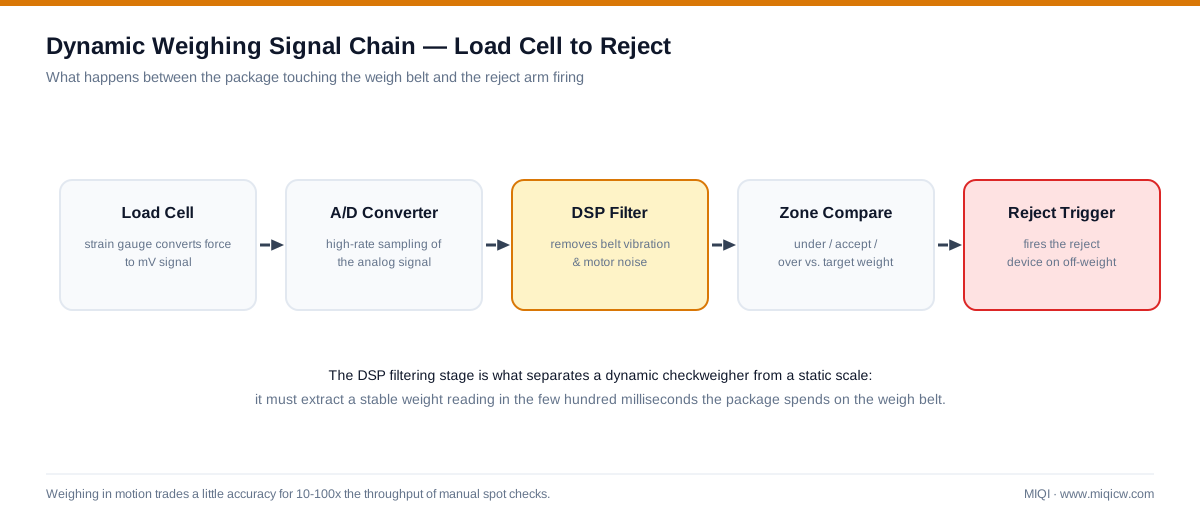
Checkweigher Calibration and Dynamic Verification: A Practical Line Test
Calibration establishes the relationship between indication and reference mass; verification checks whether the complete checkweigher still performs acceptably in production. Use this repeatable workflow to test multiple weights, speeds and reject outcomes without confusing resolution with accuracy.
Read article →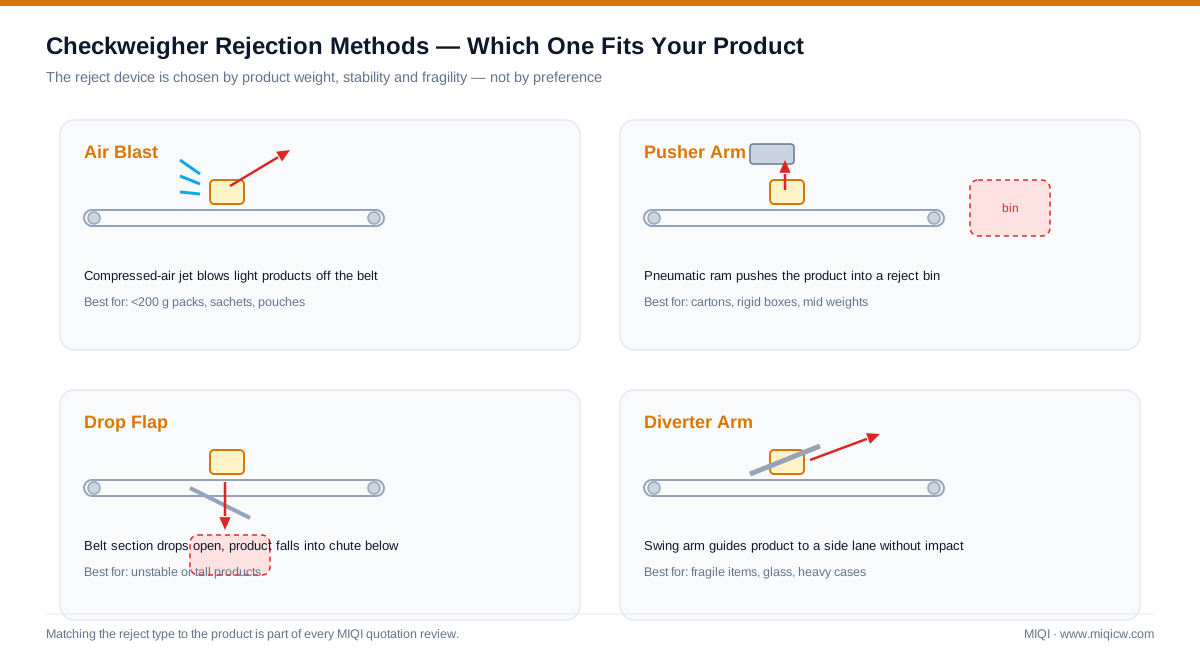
Checkweigher Reject Systems: Air Blast, Pusher, Flap, Arm, Wheel or Stop Alarm
The best checkweigher rejector is the one that removes the real product reliably at the real speed. Compare six mechanisms by product mass, stability, line rate, available air, hygiene and fail-safe confirmation requirements.
Read article →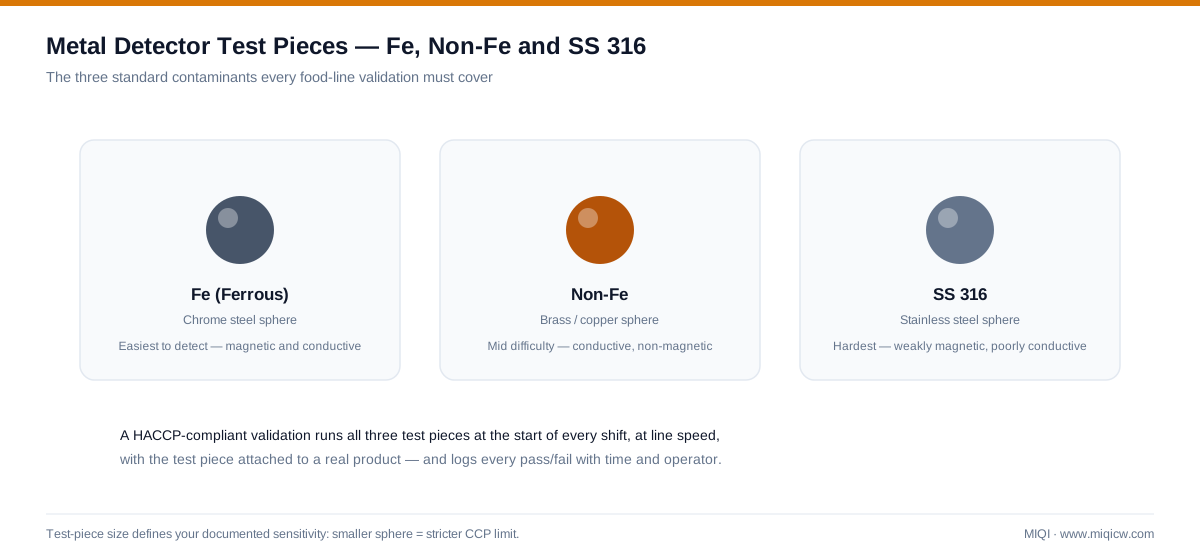
Food Metal Detector Testing, Sensitivity and Validation: A Line-Side Guide
A meaningful food metal detector test uses certified ferrous, non-ferrous and stainless-steel test pieces in the actual product, at the least favourable position, and confirms both detection and rejection. This guide separates routine verification from validation and explains product effect.
Read article →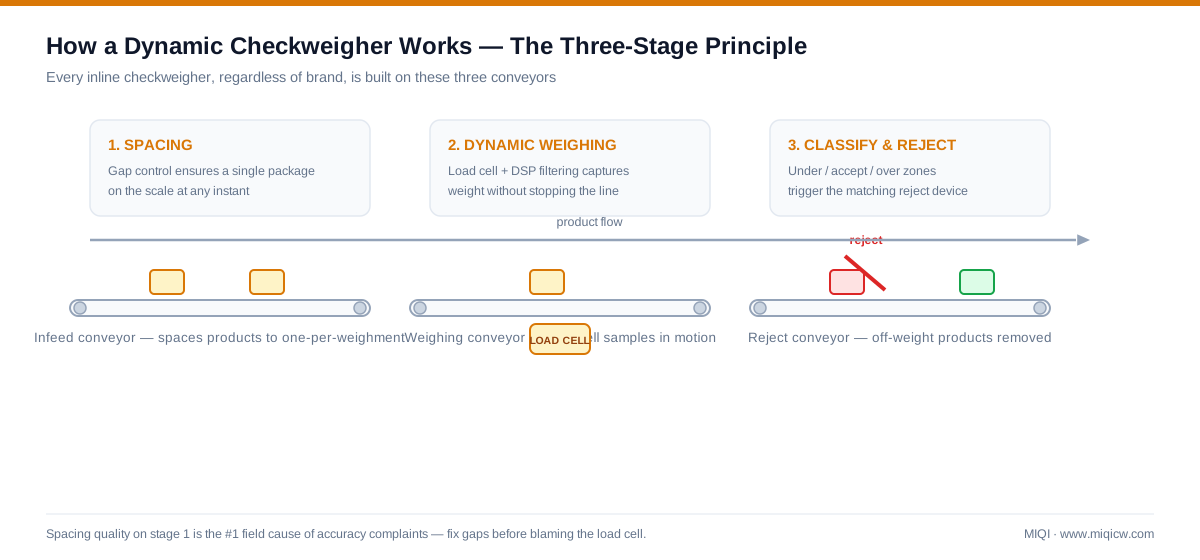
How Does a Checkweigher Work? Infeed, Dynamic Weighing and Automatic Rejection
A dynamic checkweigher weighs every moving pack, compares the filtered result with recipe limits and removes or records exceptions. This engineering guide explains the complete three-stage process, the load-cell signal chain and the line conditions that determine repeatability.
Read article →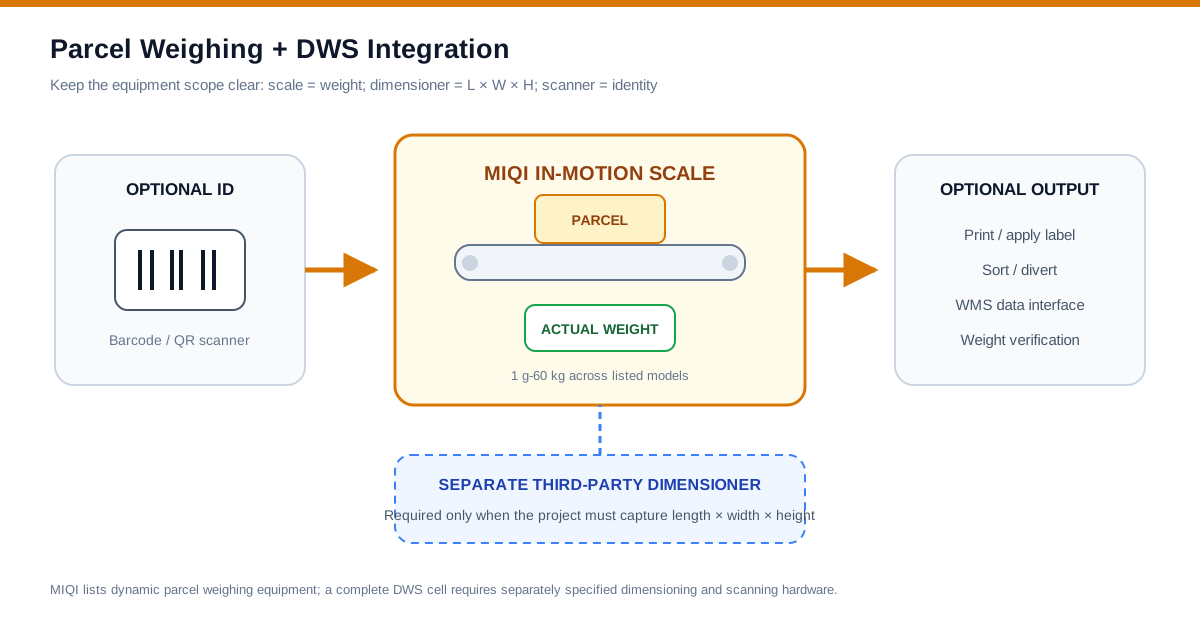
In-Motion Parcel Weighing and DWS Integration: What Each Module Does
A dynamic parcel scale captures actual weight; a dimensioner measures length, width and height; a scanner binds the record to a parcel ID. This guide shows how to specify the weighing conveyor, data interface and optional print, label and sort functions without confusing a scale with a complete DWS cell.
Read article →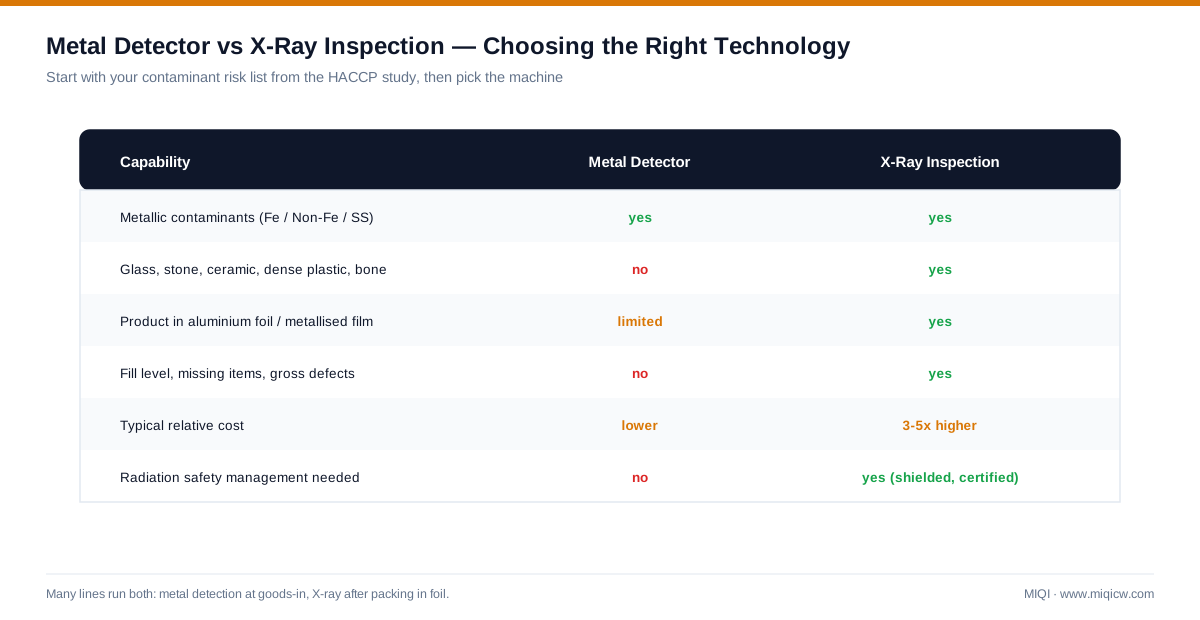
Metal Detector vs X-Ray Inspection: Which Food Inspection System Fits?
Metal detection is highly effective for metallic contaminants, while X-ray inspection responds to density contrast and may find glass, stone, ceramic and some dense plastics as well as metal. Packaging, product effect, contaminant risk, product thickness and required secondary checks decide the better technology.
Read article →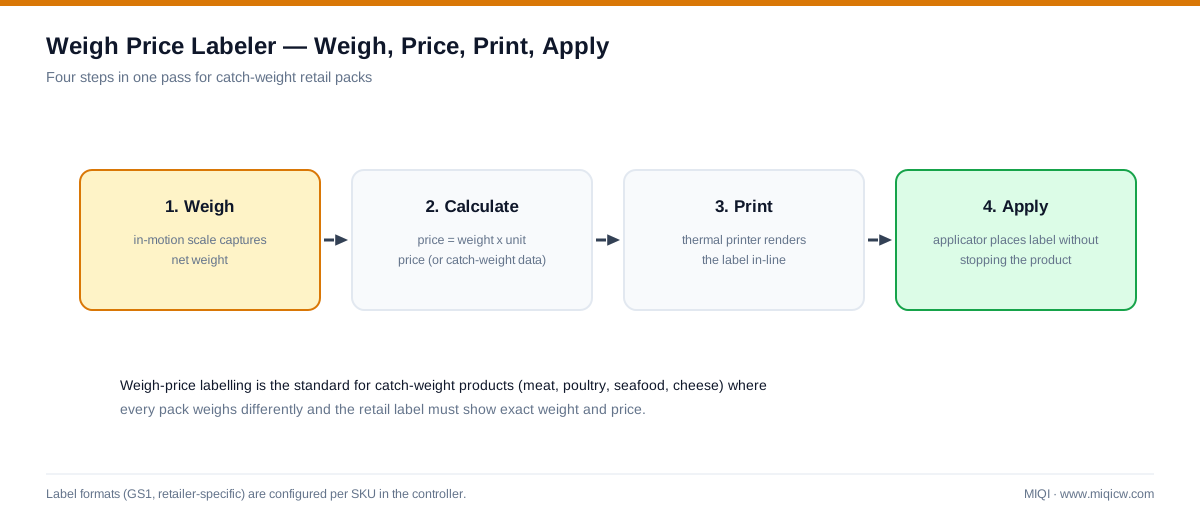
Weigh-Price Labeling vs Weigh-Print-Apply: Functions, Data and Compliance
A weigh-print-apply system captures weight and prints or applies configured data. A weight/price labeler also calculates selling price from weight and unit price, which can trigger legal-metrology requirements. Use this comparison to define the exact function before buying hardware.
Read article →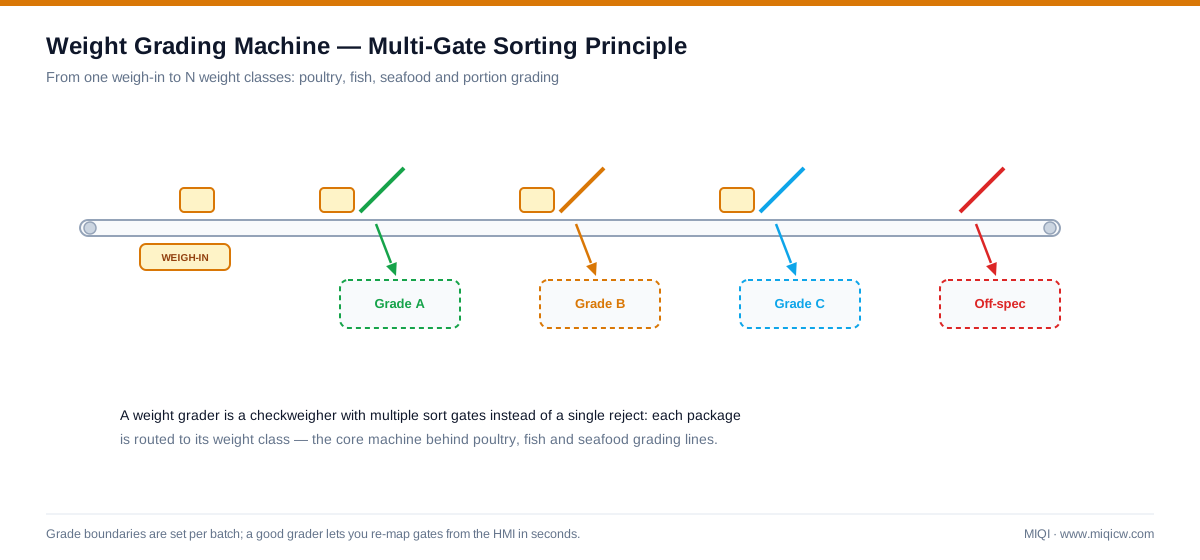
Weight Grading vs Checkweighing vs Batching for Fish, Poultry and Seafood
A checkweigher decides whether a completed pack is within limits; a weight grader routes individual products into multiple weight classes; batching selects or combines pieces toward a pack target. Choosing the wrong function creates the wrong conveyor and yield strategy.
Read article →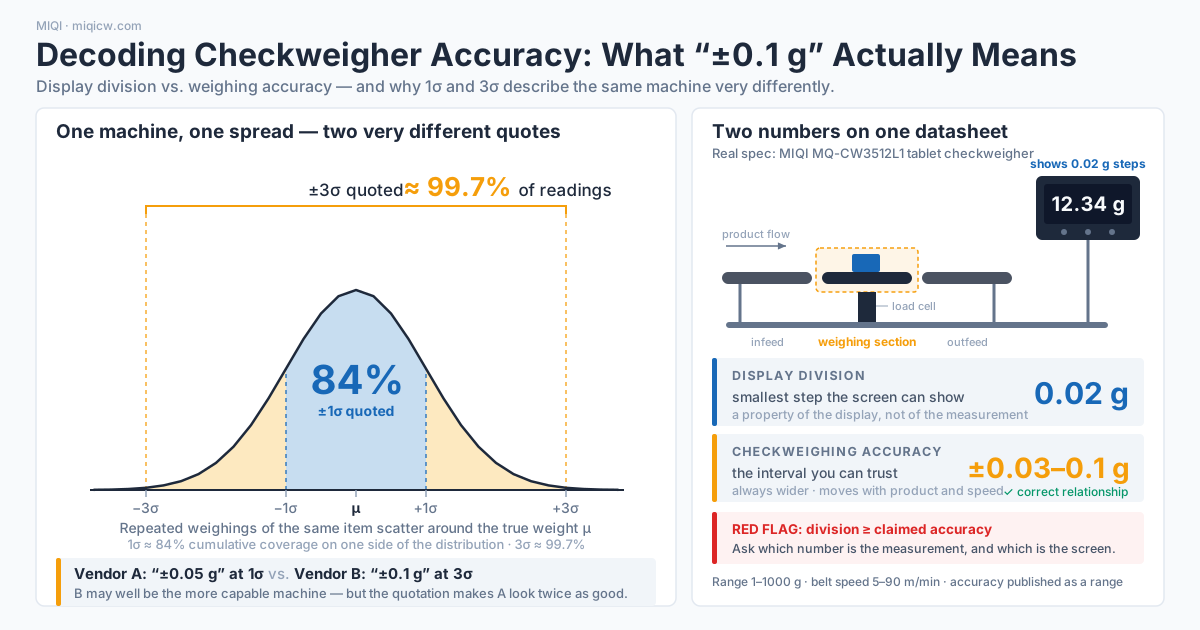
Decoding Checkweigher Accuracy: What "±0.1 g" Actually Means (Sigma Conventions and How to Compare Vendors)
Understand checkweigher accuracy, display division, repeatability and bias. Compare test conditions and distinguish 68.27% two-sided ±1σ coverage from 99.73% ±3σ coverage before selecting equipment for your product and line speed.
Read article →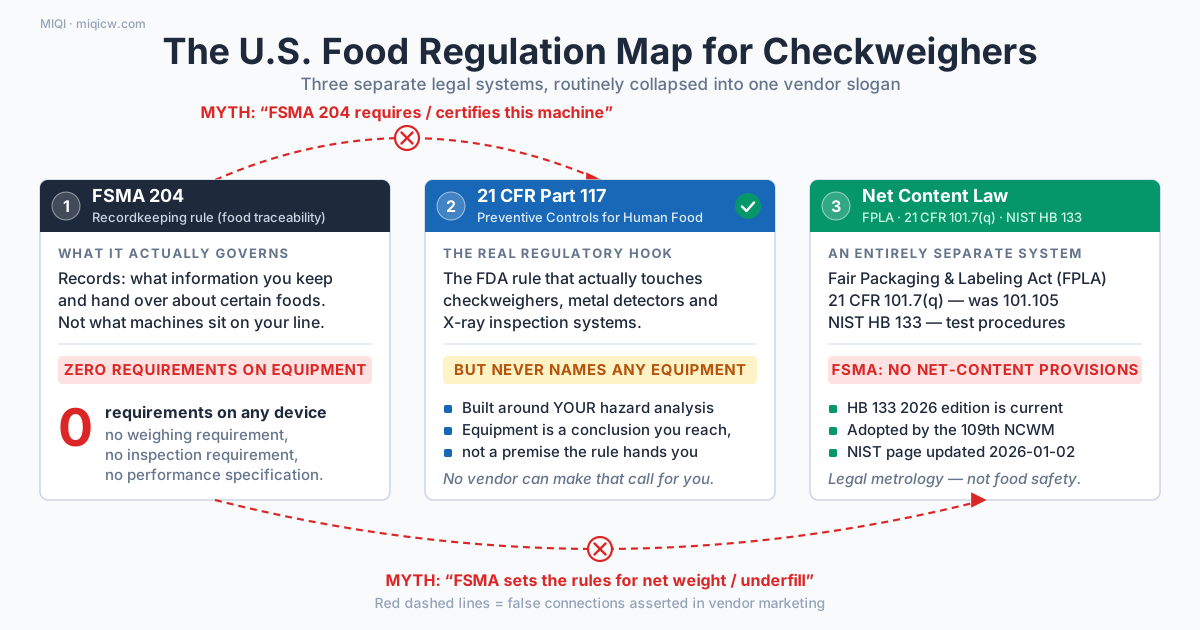
No, Your Checkweigher Is Not "FSMA 204 Compliant" — Here's the Regulation That Actually Applies
A checkweigher can support operational records, but buying one does not establish FSMA 204 compliance. Separate Food Traceability Rule recordkeeping, 21 CFR Part 117 hazard controls, and 21 CFR 101.7/NIST Handbook 133 net-content testing when preparing an equipment specification.
Read article →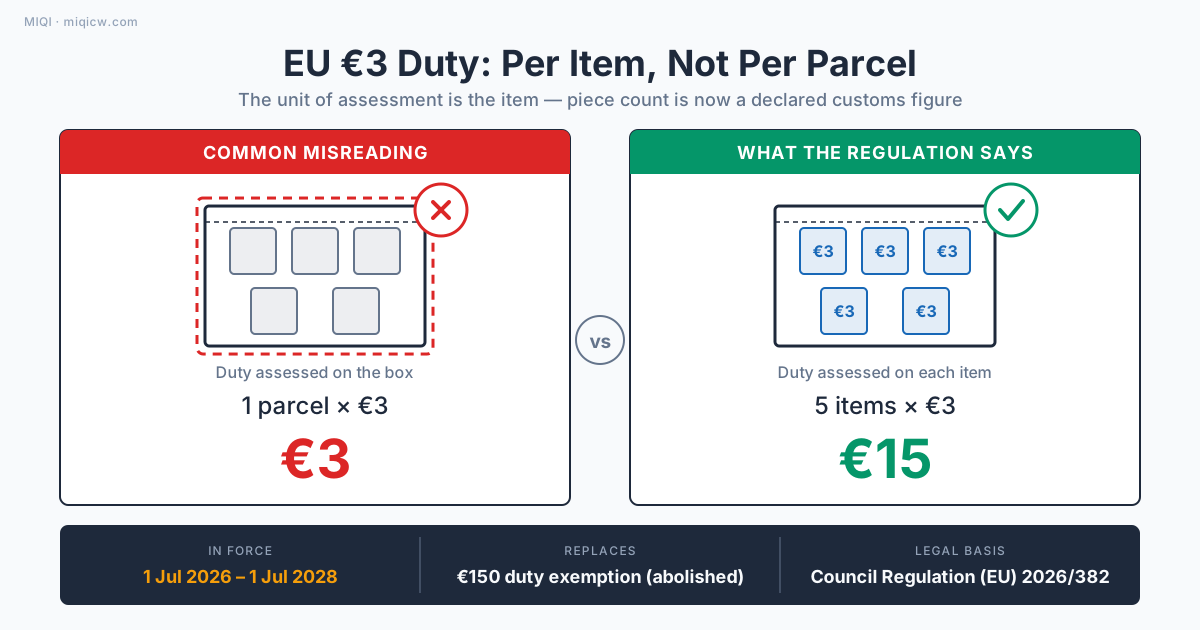
EU €3 Small-Parcel Duty: Tariff Categories, Packing Records and Weight Checks
The EU €3 small-parcel duty follows tariff item categories, not physical piece count. Learn how to connect a correct packing list, SKU classification, parcel identity and measured shipping weight without confusing a weighing record with a customs calculation.
Read article →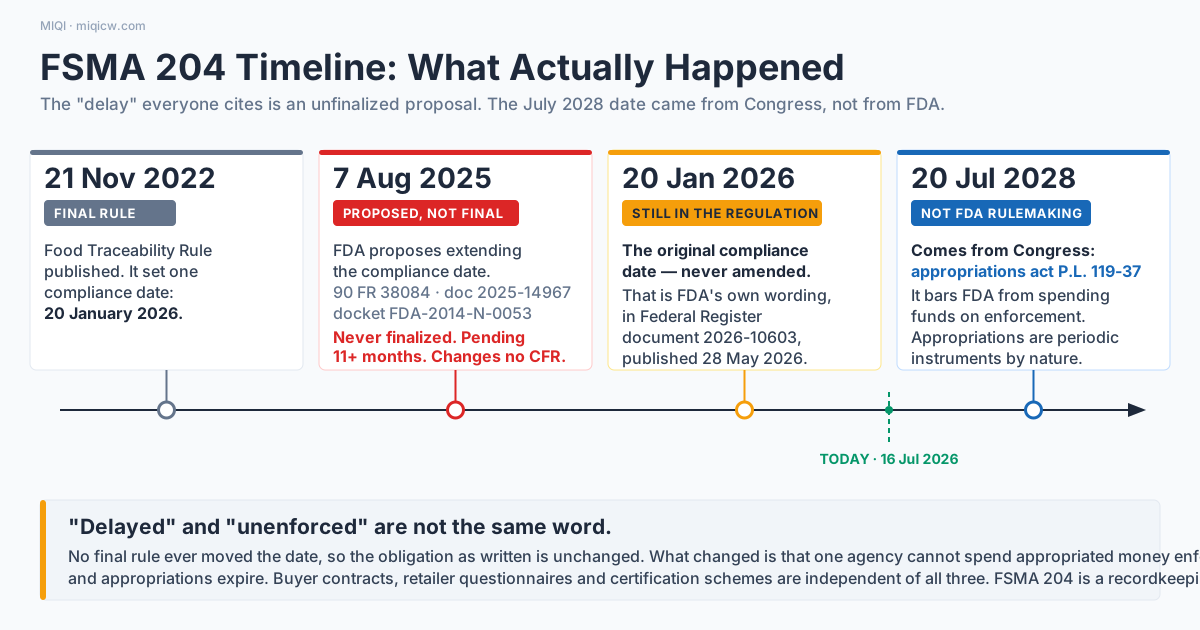
Was FSMA 204 Really Delayed to July 2028? What Every Other Article Gets Wrong
FDA proposed July 20, 2028 as the extended Food Traceability Rule date; Congress subsequently directed non-enforcement before the same date. Understand the distinction, recordkeeping responsibilities and the separate role of inspection equipment using FDA’s current source statement.
Read article →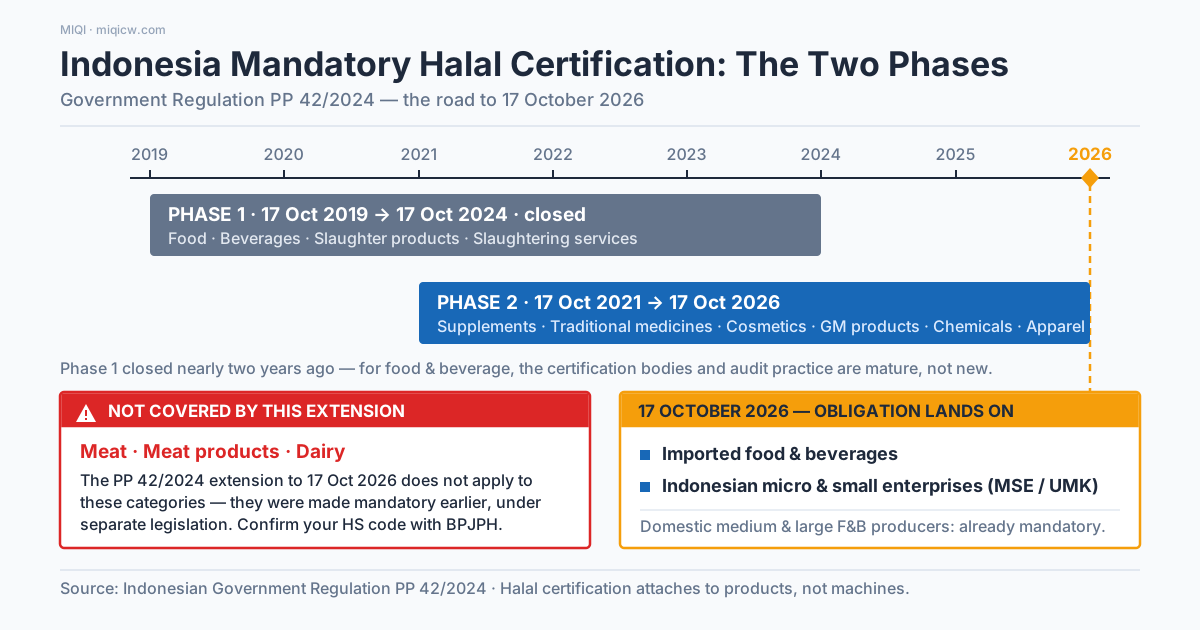
Indonesia's 17 October 2026 Halal Deadline: What It Actually Means for Your Inspection and Weighing Equipment
Prepare for Indonesia’s October 2026 halal phase with a product-category check, recognised certification route and documented contact materials, cleaning and segregation. A weighing or inspection machine alone does not certify the food produced on a line.
Read article →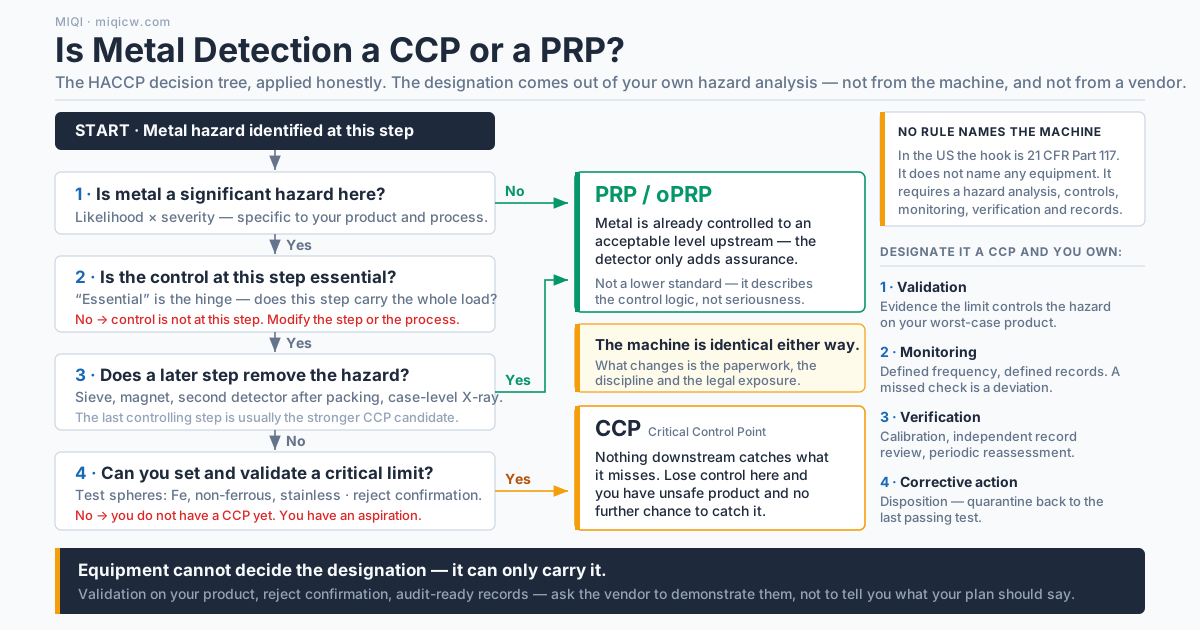
Is Metal Detection a CCP or a PRP? The Question Every Quality Manager Asks and No Equipment Vendor Answers
Metal detection can serve different roles in a documented food-safety system. Use hazard analysis, validated control limits and the applicable HACCP or food-safety standard to distinguish CCP, PRP and operational PRP responsibilities before selecting a detector and reject configuration.
Read article →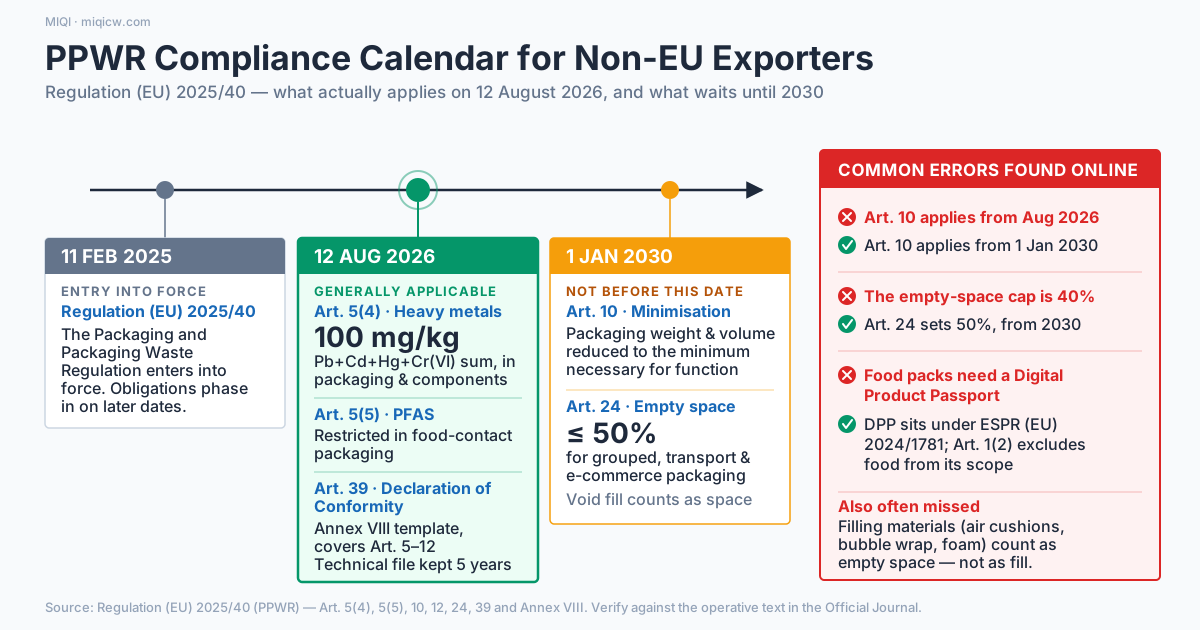
PPWR Compliance Calendar for Non-EU Exporters: What Actually Applies on 12 August 2026 (and What Doesn't Until 2030)
PPWR generally applies from 12 August 2026, but individual obligations have later dates. Article 12 material-composition labels generally start on 12 August 2028 or 24 months after the relevant implementing acts, whichever is later. Article 10 minimisation starts on 1 January 2030. Article 24’s 50% empty-space limit starts on 1 January 2030 or three years after its implementing acts, whichever is later. Confirm the applicable packaging type and operative acts.
Read article →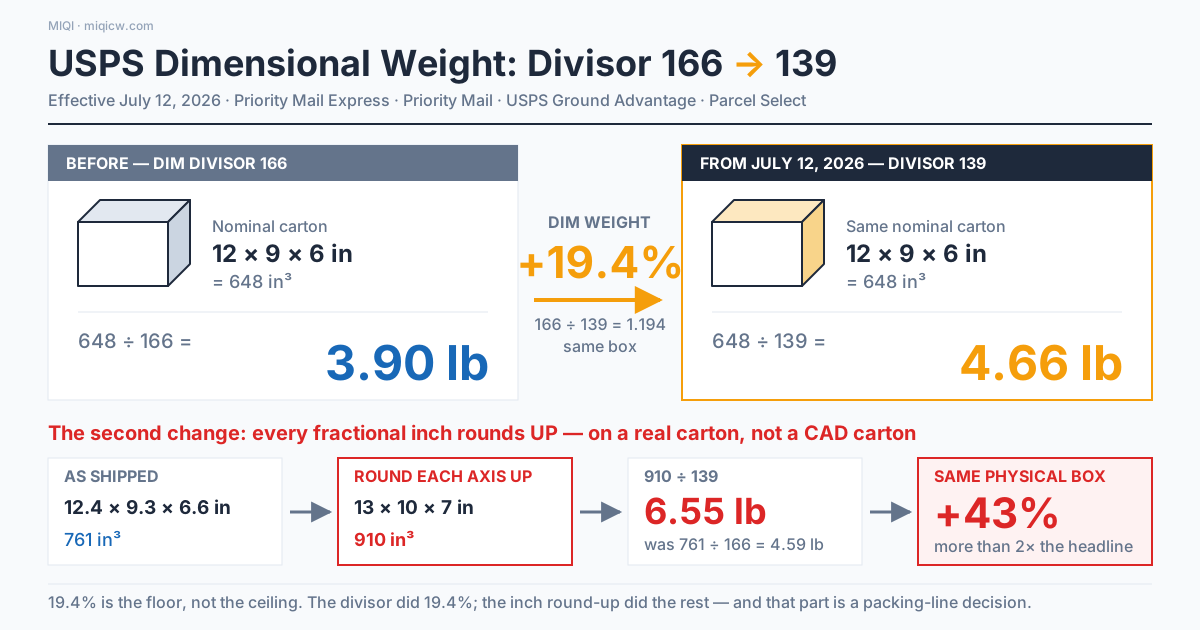
USPS DIM Divisor Drops to 139 on July 12, 2026: What the 19.4% Billable-Weight Jump Means for Your Packing Line
USPS changed the DIM divisor to 139 on July 12, 2026. Learn the one-cubic-foot threshold, whole-inch and pound rounding, and how measured carton dimensions and actual weight support parcel packing decisions. A 19.4% formula increase is not a guaranteed postage increase.
Read article →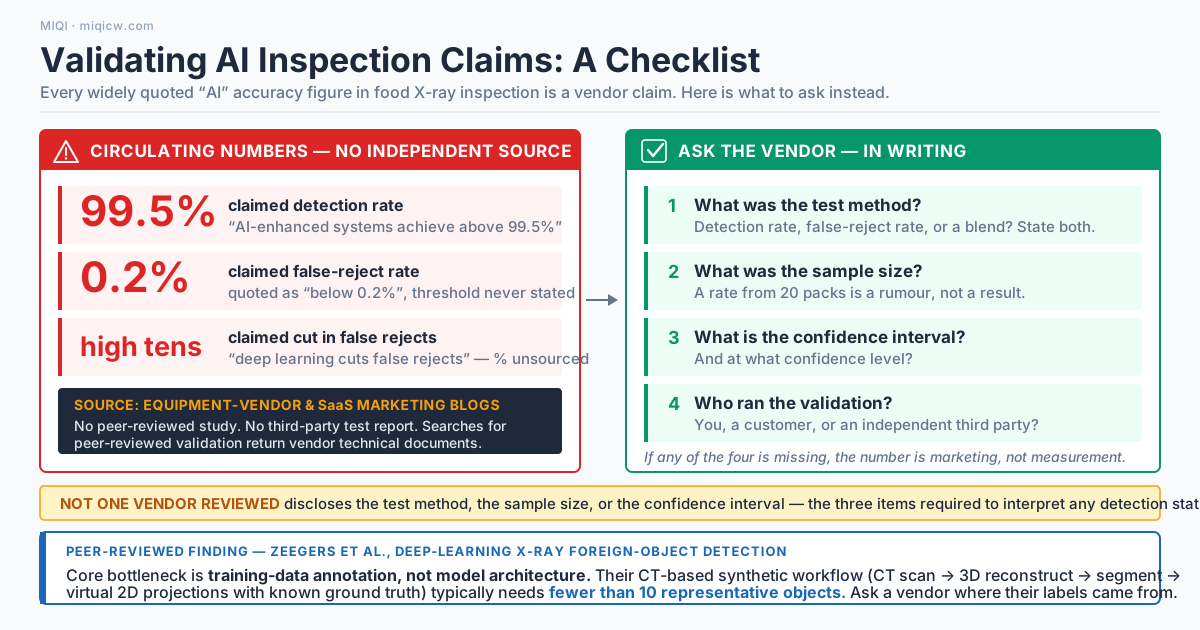
How to Validate a Vendor's AI Inspection Claims: The Questions Nobody Wants You to Ask
Evaluate AI food-inspection claims using a defined test method, representative samples, detection and false-reject results, and stated uncertainty. Learn what CT training-data research can and cannot prove, and prepare a product-specific acceptance test for an X-ray inspection supplier.
Read article →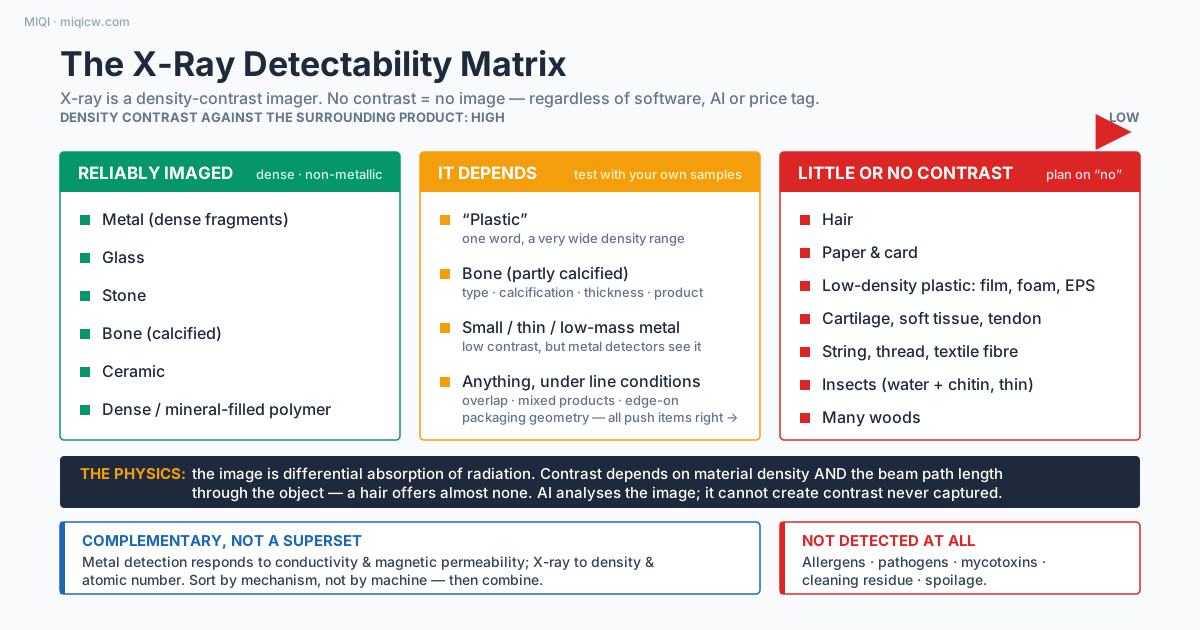
What X-Ray Inspection CANNOT Detect: An Honest Limitations Guide
Food X-ray inspection depends on measurable attenuation contrast, product thickness, material composition and system configuration. Review difficult contaminants, packaging and product geometry, then define controlled sample tests. Low-density materials need product-specific evidence rather than a blanket detection promise.
Read article →Ship us your product — free on-machine accuracy test with video proof
Free sample testing · OEM & custom design · 2-year warranty · Worldwide shipping