
Dual-Channel Dynamic Checkweigher
Dual-lane parallel dynamic checkweighing: one machine handles the merged re-inspection of two packaging lines, saving the footprint of one floor slot and the cost of a second machine.
Custom-built model: This is a non-standard, made-to-order machine. Structure, dimensions, rejection method and configuration are engineered to your product and production line. Image for reference only — contact us with your application for a tailored solution and quote.
Dual-Channel Dynamic Checkweigher (MQ-DZ08). Factory-direct from Guangdong, China. OEM & custom available.
Typical applications: End-of-line packaging for food, pharmaceuticals, and consumer goods on multi-lane converging lines
Key Features
- ✓Designed for multi-lane converging packaging lines handling food, pharmaceutical, and daily-consumer products
- ✓Saves floor space by consolidating check-weighing for multiple converging lines on a single unit
Why Choose MQ-DZ08
Two lanes in parallel: one machine does the work of two
Two independent weighing lanes are built into a single frame, simultaneously handling the re-inspection of two packaging lines after they merge. A setup that once required buying two machines and reserving two floor slots is now handled by one — cutting both equipment investment and footprint, and freeing up walkways and case-packing stations in the downstream packaging area.
Merged re-inspection with no loss of speed
The biggest fear with merged lines is congestion at the re-inspection stage — two lines' output crowding onto a single-lane checkweigher, so neither can run fast. The MQ-DZ08 weighs and rejects on each lane independently, letting both upstream lines discharge at full capacity on their own cadence. Checkweighing is no longer the throughput bottleneck.
100% inspection replaces manual spot checks
Weight-based completeness checking must be validated using real complete packs and representative missing-item cases. Product and packaging variation can overlap the missing item's weight. Agree thresholds and verify rejection at the intended speed; a checkweigher cannot guarantee component identity or detection of every shortage.
Per-lane data, traceable to the line
Weighing data for each lane is tallied separately. Which upstream line's underweight rate is climbing, which filler has drifted off target — it's visible at a glance on the report. Quality issues can be traced to the specific line and shift, instead of the two lines passing the blame back and forth.
Universal for food, pharma and household-goods back-end lines
Designed for the merged operating conditions of food, pharmaceutical and daily-chemical back-end packaging lines, its infeed and outfeed connect the upstream packaging machines to the downstream case-packing section, dropping into an existing line with minimal modification. The two lanes can run the same product or one product each — however the line is arranged, it configures to match.
Source factory, built to your line
Miqi is a source-factory checkweigher manufacturer. The MQ-DZ08's lane spacing, conveyor height and rejection method can be custom-matched to the merge layout on your site, with the factory handling everything from selection and testing to installation and commissioning directly — no middleman in between.
Problems It Solves for You
After two packaging lines merge, only a single-lane checkweigher is installed; products cross the scale alternately and interfere with each other, so as soon as the cadence speeds up they queue and jam. The checkweigher becomes the bottleneck of the entire back-end line.
The MQ-DZ08 weighs on two lanes in parallel: each line's products travel their own lane and are weighed and rejected separately, without competing for cadence. Merged re-inspection is no longer a chokepoint.
Fitting each line with its own checkweigher fills the back-end packaging area with two machines plus two reject-collection zones, leaving no room to stand at the case-packing station — and no room at all for a new line.
A single dual-lane frame handles the re-inspection of both lines, doing two machines' work in one. Floor slot, electrical control and operator panel are unified, and the space saved goes straight back to case-packing and buffer areas.
With multiple lines merged and only manual spot checks, short packs and underfills slip into full cases and ship out. Get caught by a retailer or drug inspector and it's a complaint, a fine, or even a full-batch return — and afterward you can't even tell which line caused it.
Weight-based completeness checking must be validated using real complete packs and representative missing-item cases. Product and packaging variation can overlap the missing item's weight. Agree thresholds and verify rejection at the intended speed; a checkweigher cannot guarantee component identity or detection of every shortage.
The two lines run different product specs, so sharing one checkweigher means constantly changing parameters — set an upper or lower limit wrong once and the whole shift's output has to be re-inspected.
Each of the two lanes sets its own nominal weight and upper/lower limits — Lane A runs one spec, Lane B runs another, with no cross-interference. Product changeover means recalling a profile, not editing live parameters.
Functions in Detail
Independent weighing and rejection per lane
Each of the two lanes has its own weighing section and rejection mechanism; a rejection on Lane A does not affect Lane B's operation, and rejected units from each fall into their own recovery zone with no mixing of the two lines' products. If either lane is stopped for maintenance, the other keeps producing — no need to shut down the whole machine.
Per-lane parameters and product profiles
Each lane can independently set product name, nominal weight, and upper/lower limit range; the two lanes can run the same product or one spec each. At changeover, simply recall a pre-stored product profile to switch over — no need to re-enter every value — reducing changeover wait and the risk of human parameter-setting errors.
Per-line data statistics and traceability
Weighing results are tallied separately per lane for pass count, overweight count, and underweight count, so at shift handover and quality traceability you can pin down exactly which upstream packaging line had the problem, rather than blurring the two lines' data together into an unassignable blame.
Back-end line connection and installation
The machine is designed to drop into the merged back-end packaging line; infeed and outfeed heights and conveyor cadence are matched to the upstream and downstream equipment, replacing two single-lane checkweighers that would otherwise sit side by side. The compact lane spacing frees up space for case-packing and palletizing stations.
Cleaning and routine maintenance
The conveyor belts are removable for cleaning, and the open structure of the weighing section makes it easy to clear buildup of powder and crumbs; routine upkeep can be done by the operator. As a source factory, Miqi provides full-machine installation and commissioning and operator training, and supplies wear-part spares matched to actual operating conditions.
Industries & Application Scenarios
Chips, candy, nuts and the like discharge from multiple flow wrappers, merge, and enter the case-packing section; the finished goods of the two lines travel separate independent lanes for weight re-inspection, and short or underfilled bags are rejected before case packing, avoiding whole-case rework.
When two blister-cartoning lines or bottle lines merge onto one conveyor, each lane inspects 100% of carton weights independently; cartons missing a blister, a leaflet, or a bottle are rejected on the spot, leaving a per-unit weighing record for GMP review.
Shampoo and cream products commonly discharge from dual filling heads in parallel; the two streams each set their own nominal weight and upper/lower limits, so underfilled or missed-fill products don't cross lanes or escape inspection, and are rejected on their own lane.
Sauce and powder sachets run at high output across multiple lines, and manual spot checks simply can't keep pace. Dual-lane parallel in-line weighing absorbs the output of two sachet machines, catching short-filled and empty sachets before they enter the outer-bag packaging.
Bottled tablets and pouched granules — two different specs — are often run in parallel in the same workshop; the machine's two lanes can each call up a different product profile, letting one machine handle the re-inspection of two different specs at once.
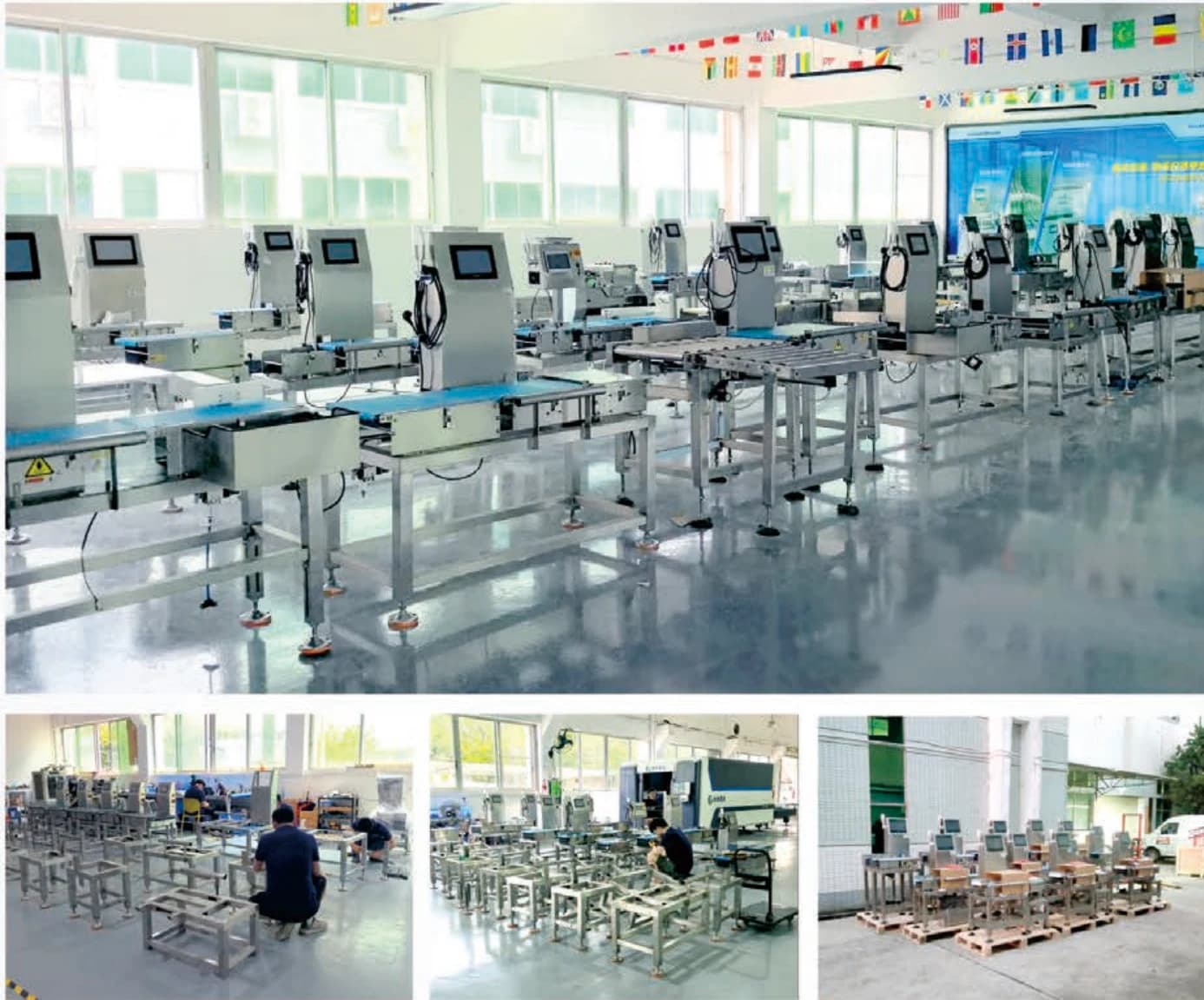
Own Factory · Seeing Is Believing
Guangdong Miqi designs, builds and tests every machine in-house — each unit is bench-tested before shipment. Free sample testing, on-site factory visits and live video of the running machine are all welcome.
Compare this model with other configurations in custom weighing and inspection systems.
Further reading
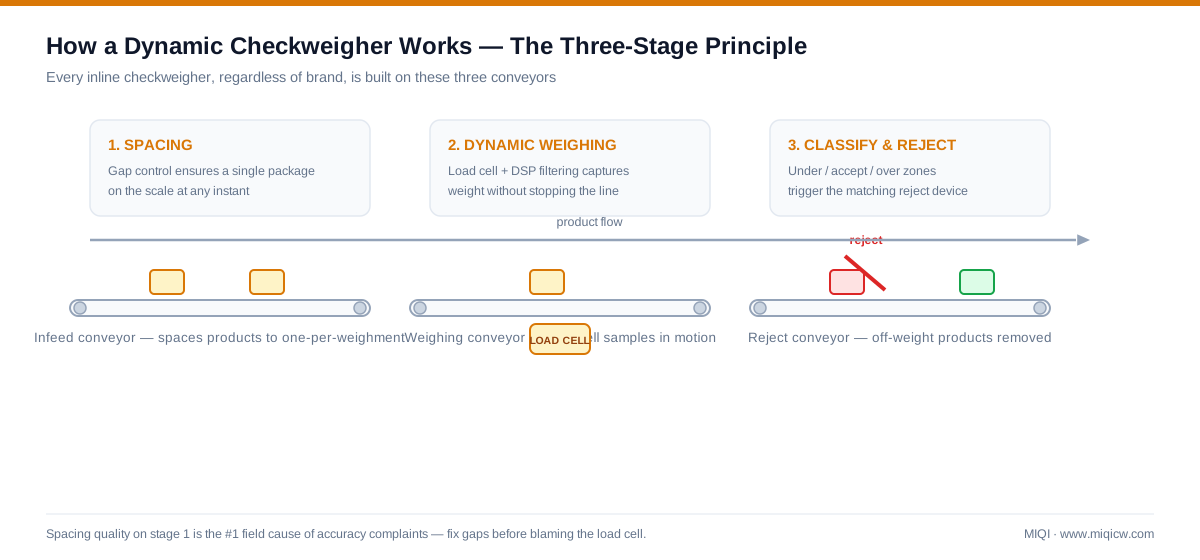
How Does a Checkweigher Work? Infeed, Dynamic Weighing and Automatic Rejection
A dynamic checkweigher weighs every moving pack, compares the filtered result with recipe limits and removes or records exceptions. This engineering guide explains the complete three-stage process, the load-cell signal chain and the line conditions that determine repeatability.
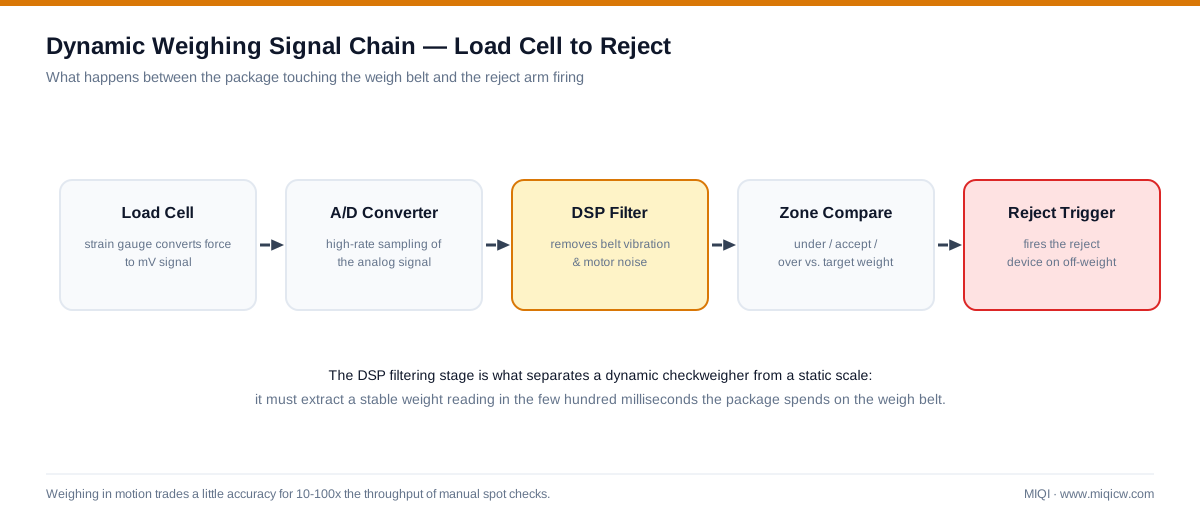
Checkweigher Calibration and Dynamic Verification: A Practical Line Test
Calibration establishes the relationship between indication and reference mass; verification checks whether the complete checkweigher still performs acceptably in production. Use this repeatable workflow to test multiple weights, speeds and reject outcomes without confusing resolution with accuracy.
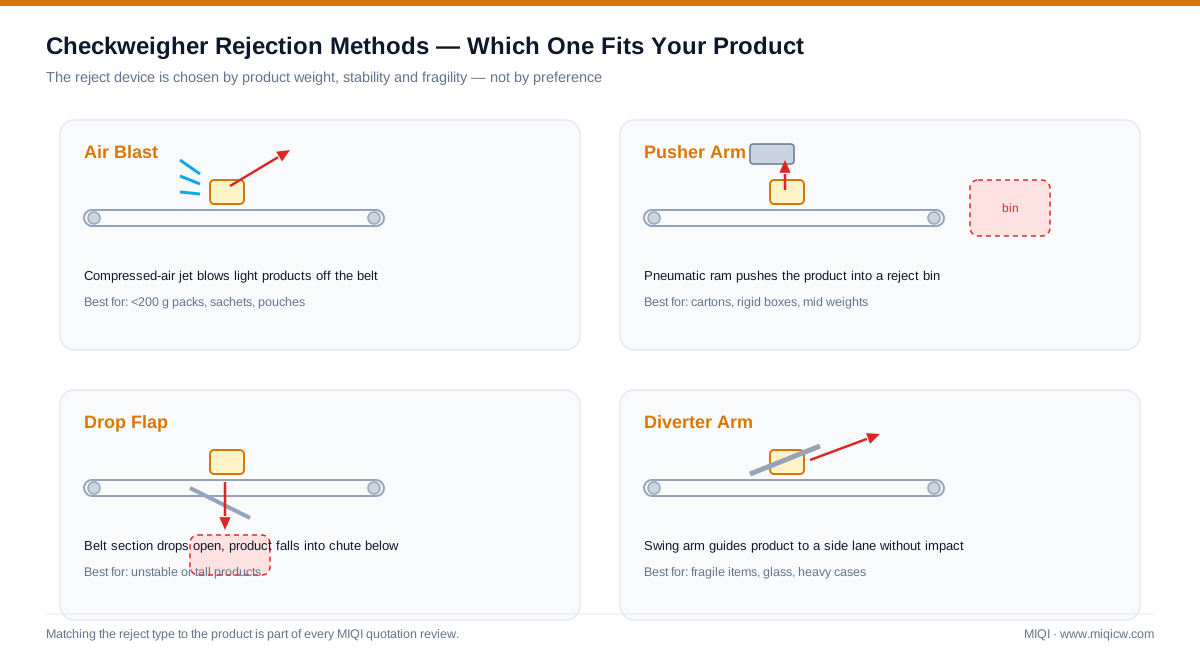
Checkweigher Reject Systems: Air Blast, Pusher, Flap, Arm, Wheel or Stop Alarm
The best checkweigher rejector is the one that removes the real product reliably at the real speed. Compare six mechanisms by product mass, stability, line rate, available air, hygiene and fail-safe confirmation requirements.
Frequently Asked Questions
What is the price of Dual-Channel Dynamic Checkweigher (MQ-DZ08)?+
Pricing depends on the weighing range, rejection method, conveyor dimensions and selected options. Send the product weight, dimensions and line speed for a factory-direct quotation.
Does MIQI export Custom Solutions worldwide?+
Yes. MIQI ships worldwide with export packing, operating documents, configurable voltage and remote commissioning support. OEM branding and application-specific engineering are available.
Tell Us About Your Product
Share your product weight range, dimensions and line speed — our engineer replies within 24 hours with model recommendation and quotation.
Related Models
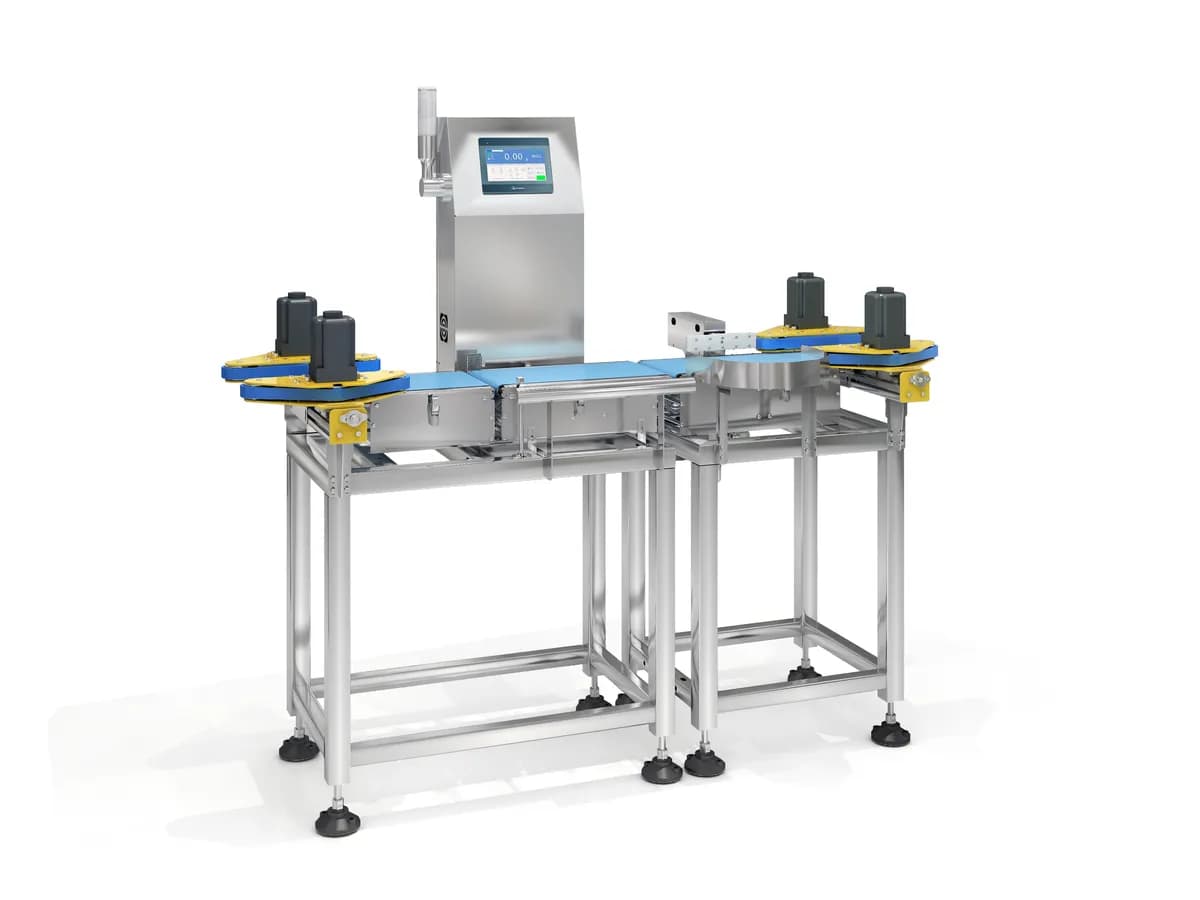
Automatic Bottle-Clamping Checkweigher
View Specs & Price →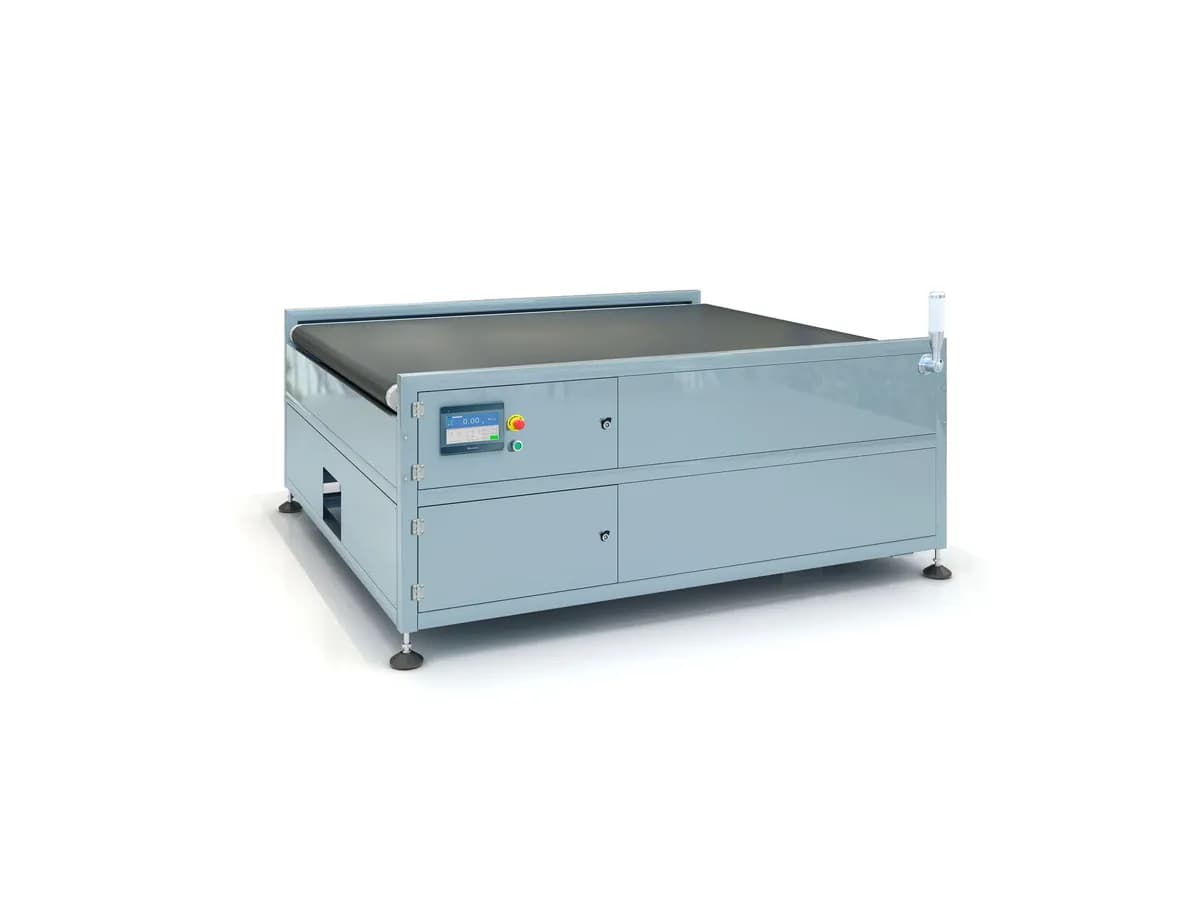
Air Cargo Container Weighing Machine
View Specs & Price →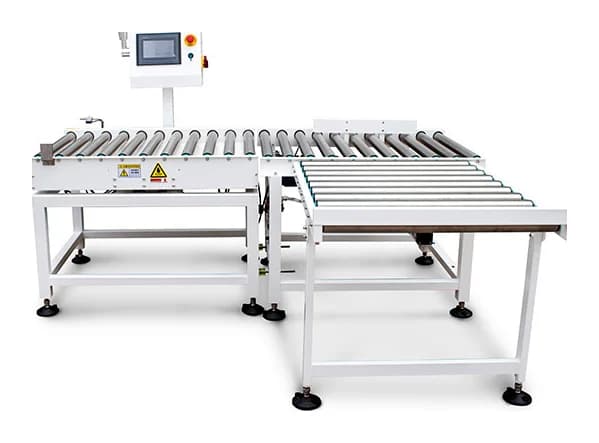
Roller-Type Inkjet Coding and Weighing Machine
- Weighing range: 1-30kg
- Weighing accuracy: ±10-30g
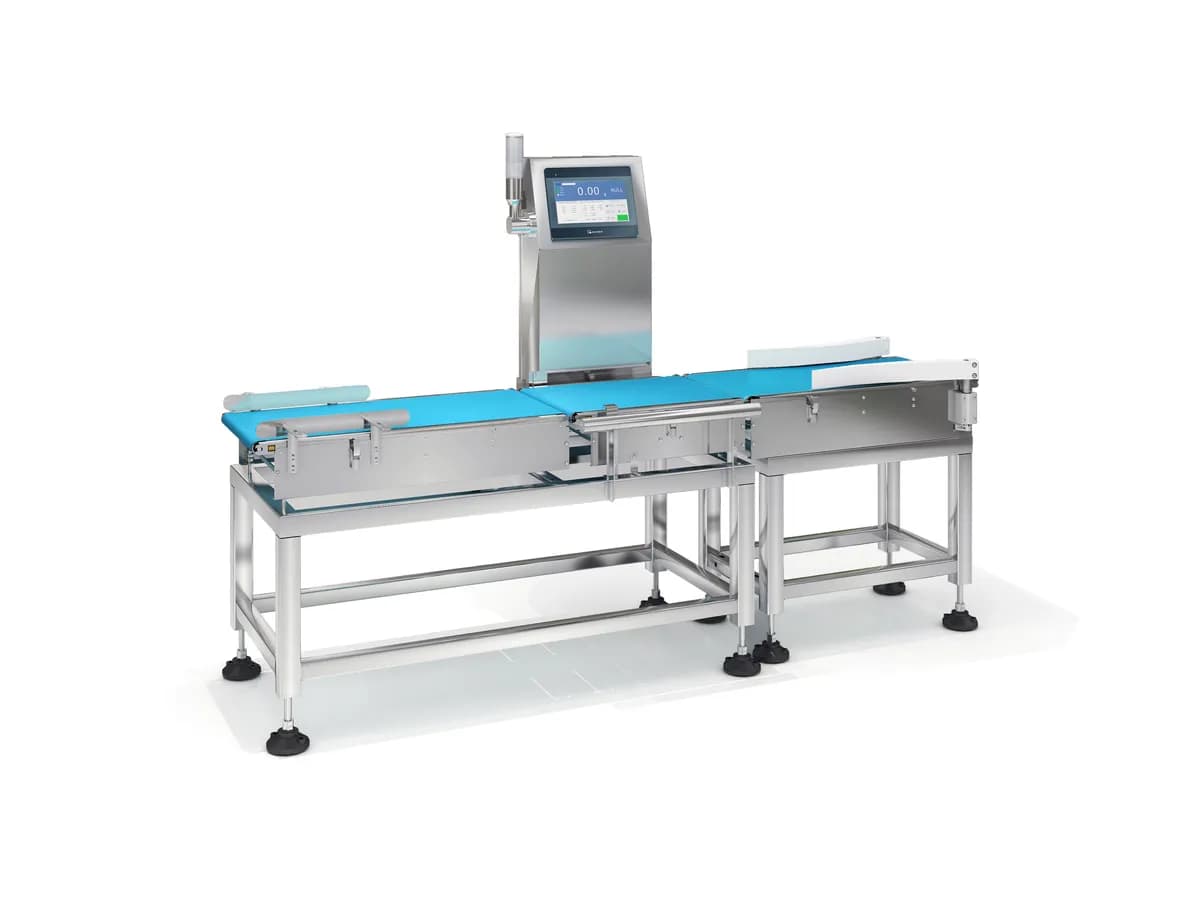
Precision In-Line Checkweigher for Assembly Lines
- Weighing range: 1-3000g
- Weighing accuracy: ±0.5-2g