
Automatic Weigh-Print-Apply Labeling Systems
MIQI builds automatic labeling machines around measured weight, barcode identity and project data. The range includes the MQ-MLW7030L5 non-contact weigh-labeler for 1 g-5 kg soft packs, two scan-weigh-label systems for coils and industrial goods up to 50 kg, the MQ-MLW8050L30 side-labeling system for cartons up to 30 kg, and the MQ-ML100 standalone print-and-apply labeler using standard Zebra, TSC or Honeywell print engines. These machines target trays, pouches, parcels, coils and outer cartons. They are not presented as wrap-around bottle labelers or pallet labelers. Weight/price calculation and legal-for-trade use require an explicitly defined software function and the applicable approval for the destination market.
A weigh-print-apply system captures or receives product weight, combines it with recipe or scanned data, prints a label and applies that label to the moving pack. A weight/price labeler adds a commercial calculation from net weight and unit price. A general automatic labeling machine may not weigh at all. Defining which of these three functions is required prevents a buyer from comparing visually similar machines that perform different transactions.
Weigh-Print-Apply Labeling Models
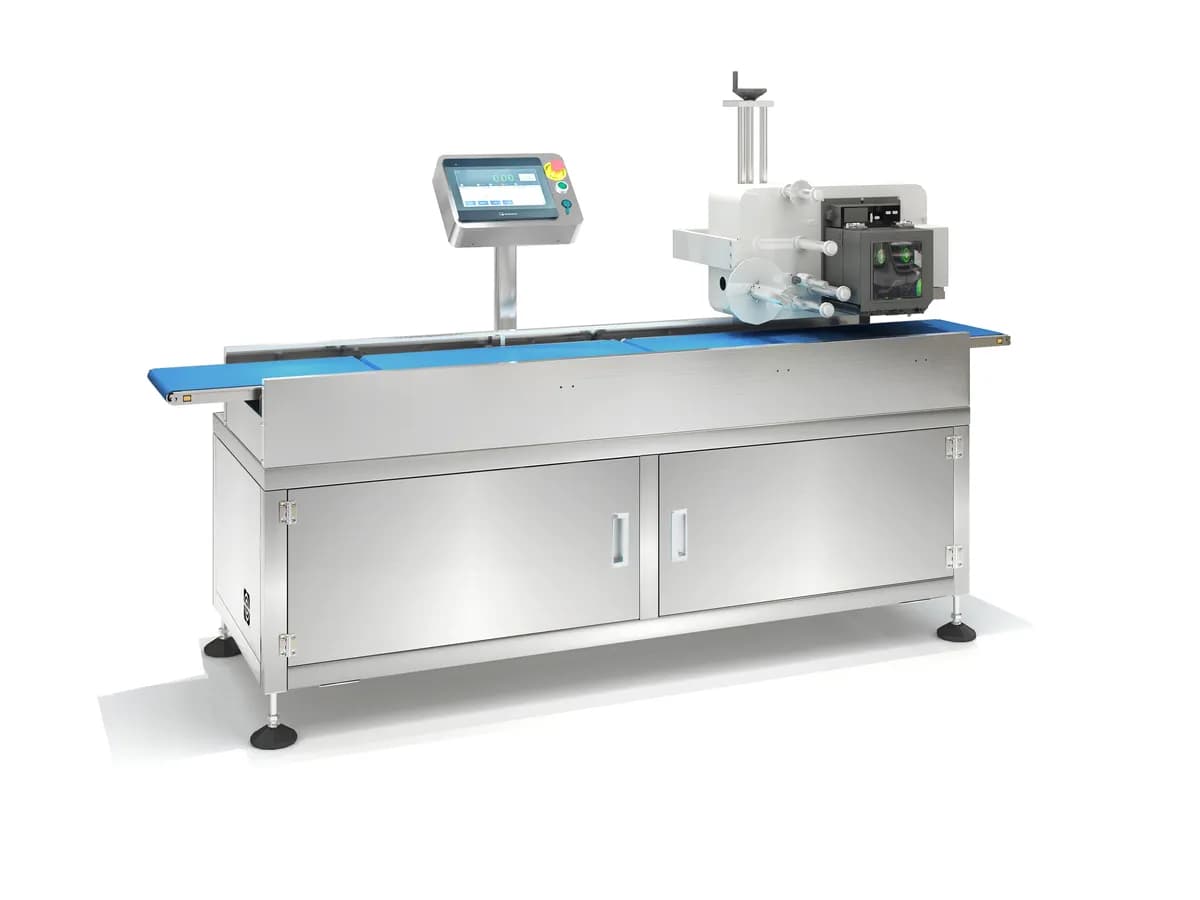
Non-Contact Automatic Weighing, Instant Printing and Labeling Machine
- Weighing range: 1-5000g
- Weighing accuracy: ±0.5-2g
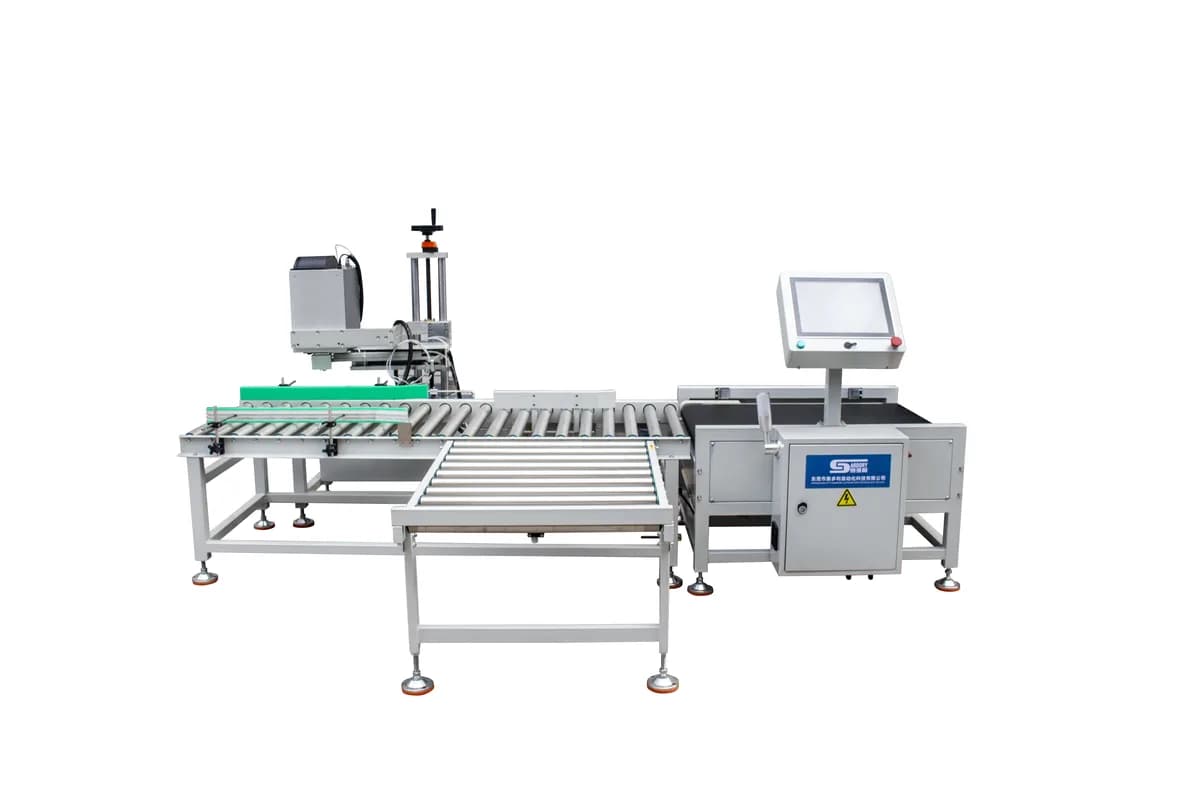
Automatic Scanning, Weighing, Instant Printing and Labeling Machine for Enameled Wire
- Weighing range: 10g-50kg
- Weighing accuracy: ±0.5-2g
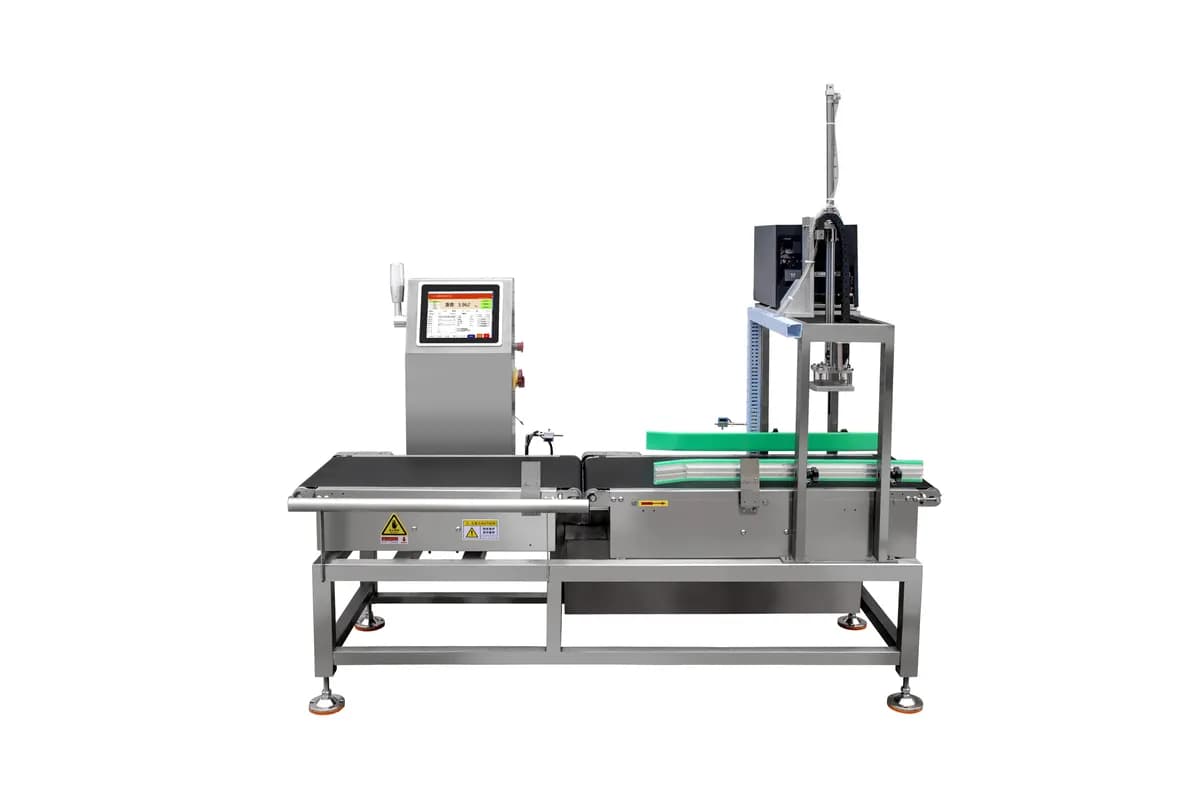
Fully Automatic Weighing, Instant Printing and Side-Labeling Machine for Outer Cartons
- Weighing range: 1-30kg
- Weighing accuracy: ±0.5-2g
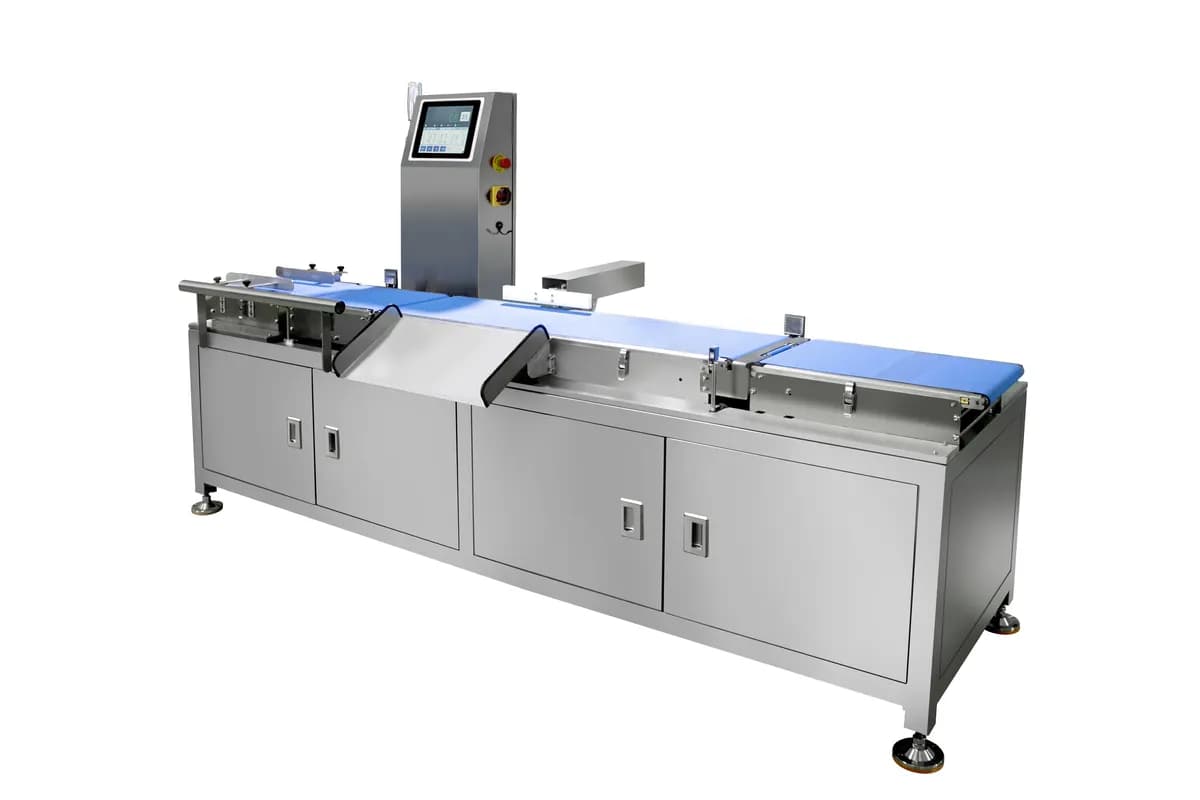
Automatic Weighing and Instant Print-and-Apply Labeling Machine
- Weighing range: 10g-50kg
- Weighing accuracy: ±0.5-2g
Instant Print-and-Apply Labeling Machine
- Labeling accuracy: ±2-10mm
Weigh-Print-Apply Model Comparison
| Model | Weighing Range | Accuracy | Labeling Speed | Labeling Accuracy |
|---|---|---|---|---|
| MQ-MLW7030L5 | 1-5000 g | ±0.5-2 g | 15-50 pcs/min | ±5-30 mm, non-contact top labeling |
| MQ-MLW4030L50 | 10 g-50 kg | ±0.5-2 g | 15-25 pcs/min | ±5-10 mm |
| MQ-MLW4530L10 | 10 g-50 kg | ±0.5-2 g | 15-25 pcs/min | ±5-10 mm |
| MQ-MLW8050L30 | 1-30 kg | ±0.5-2 g | 15 pcs/min | ±5-10 mm, side labeling |
| MQ-ML100 | Print & apply only | N/A | 20-40 labels/min | ±2-10 mm, top or side |
Automatic Weigh-Print-Apply Labeling Systems: Working Principle
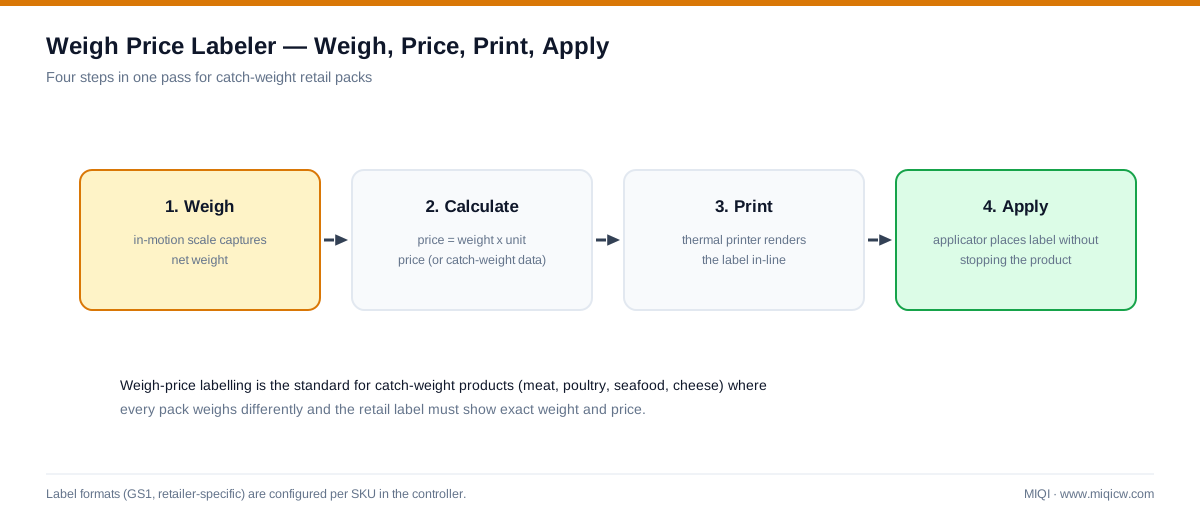
Automatic Labeling Machine Price Factors
Automatic labeling machine price depends on whether weighing is included, product dimensions and stability, top or side application, contact or non-contact placement, print engine and resolution, label size, scan requirements, MES/ERP/WMS interface and fault handling. A weigh-price project may also require legal-metrology assessment. MIQI quotes after receiving the label artwork, product photographs, throughput, application position and required data exchange.
Automatic Labeling System Scope
Automatic Labeling Machines for Weighed Packs
The documented automatic labeling machine range serves trays, pouches, parcels, coils and outer cartons. Product stability, label face and application method determine the configuration.
Print and Apply Labeler Systems
A print and apply labeler or label printer applicator produces variable data and places the label on the product. It can be linked to a scale or scanner, but weighing and price calculation are separate functions unless specified.
Automatic vs Semi-Automatic Operation
The documented range focuses on automatic and integrated print-and-apply workflows. Operator-fed or semi-automatic use requires a separate review of handling, cycle initiation and the selected model; it is not established by the general equipment name.
Weigh-Price and Catch-Weight Labeling
A weigh-price labeler calculates price from measured net weight and unit price. That transaction may require legal-metrology approval. Use the linked comparison guide before treating a general weigh-print-apply machine as a retail price labeler.
Bottle, Jar and Pallet Application Boundaries
The current documented range covers weighed packs, parcels, coils and cartons. Bottle wrap-around, jar and pallet labeling require a separate product and application review.
Automatic Labeling Machine Price
Automatic labeling machine price depends on whether weighing is included, print engine, label size, top or side application, contact method, scan and data interfaces, speed and fault handling.
Weighing and Labeling Applications
Soft packs and fresh-product trays
Non-contact top application can place a variable-data label after weighing without a pad pressing onto the product.
Wire, cable and coil products
Scan-weigh-label workflows bind measured weight and identity for coils and similar industrial goods up to the documented model range.
Carton and case labeling
Side labeling positions weight, batch, barcode or shipping data where downstream scanners and handlers can read it.
E-commerce and parcel workflows
Print-and-apply can follow a parcel weighing and barcode step when the WMS owns the shipping record.
MES and ERP production lines
The project can exchange defined recipe, identity and result fields once protocol, system ownership and exception behaviour are agreed.
Related Weighing Systems
Buyer Guides & Engineering Answers
Weigh-Price vs Weigh-Print-Apply
Separate price calculation, catch weight and logistics labeling.
Parcel Weigh-Scan Integration
Map weight, barcode, print, label and WMS responsibilities.
PPWR Packaging and Labeling Calendar
Check the applicable packaging rule before specifying label content or application.
Frequently Asked Questions
What is an automatic weigh-print-apply labeling system?+
It weighs or receives the weight of a product, builds a label from configured recipe or scanned data, prints the label and applies it automatically. Product handling, label position and the software data path are part of the machine specification.
What is the difference between a weigh-price labeler and a print-and-apply labeler?+
A weigh-price labeler calculates selling price from measured net weight and unit price. A print-and-apply labeler prints configured or received data without inherently performing that price transaction. Legal-metrology requirements may apply to the former.
Does MIQI make bottle or pallet labeling machines?+
The documented MIQI range on this page covers weighed trays, pouches, parcels, coils and cartons. It should not be selected as a wrap-around bottle labeler or pallet labeler unless a separate custom project is technically reviewed and documented.
Which print engines and label formats are supported?+
MQ-ML100 documentation lists Zebra, TSC and Honeywell print engines with 203, 300 or 600 dpi options. Final label width, material, ribbon, print fields and applicator orientation are confirmed against the chosen engine and artwork.
Can the system connect to MES, ERP or WMS?+
Integration is a project option on documented systems. The protocol, fields, master-data owner, timing, retries, no-read and no-label actions must be approved before manufacture.
Ship us your product — free on-machine accuracy test with video proof
Free sample testing · OEM & custom design · 2-year warranty · Worldwide shipping