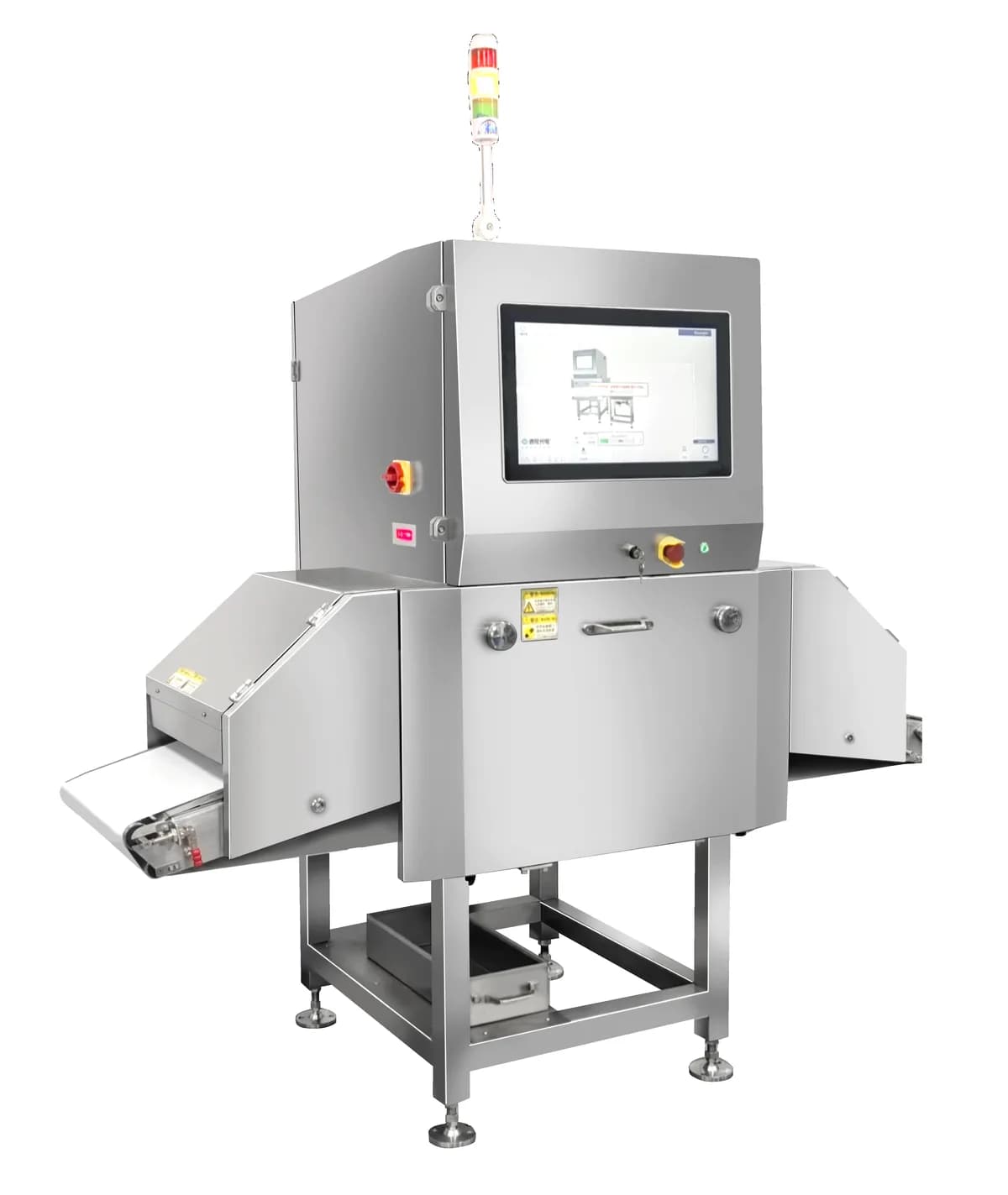
High-Precision X-Ray Inspection System for Bagged Products
Detects 0.4mm stainless steel balls and 1.0mm glass or ceramic — a high-precision X-ray inspection system built for hotpot seasoning, meat products and other bagged foods
High-Precision X-Ray Inspection System for Bagged Products (MQ-XR-P) — accuracy 0.4mm. Factory-direct from Guangdong, China. OEM & custom available.
Typical applications: Foreign object inspection for bagged foods: hot pot soup base pouches, meat packaging, aluminum foil bags, and other bagged products
Key Features
- ✓Multi-row 0.2/0.4mm high-resolution detectors meet high-precision inspection requirements at higher accuracy levels or faster line speeds
- ✓Custom foreign object detection solutions for all types of packaged products, built on Sooview's proprietary ZeroShot-SvDetector deep learning algorithm
- ✓4G wireless and wired network connectivity for fast remote technical support and operation
- ✓Multi-row pixel, high-resolution imaging technology delivers high-precision inspection at higher accuracy or higher line speeds
- ✓Detects a wide range of foreign objects: metal, glass, ceramic, stone, rubber, hard plastic, and more
Why Choose MQ-XR-P
0.4mm sensitivity in empty-run tests
In empty-machine testing it detects a 0.4mm stainless steel ball, 1.0mm glass ball, 1.0mm ceramic ball and 0.2×5mm stainless steel wire — fragments smaller than a sesame seed cannot slip past. Real-world sensitivity depends on product density and thickness, so send us samples and we will issue a test report based on your actual product.
Foil bags and metallized film? No problem
Metal detectors are practically blind on aluminum foil packaging. X-ray imaging works on density differences, unaffected by foil. Hotpot base pouches, foil vacuum bags and metallized laminate packs run straight through, screened in one pass for metal, glass, ceramic, stones, rubber and hard plastics.
Multi-row high-resolution detector
A multi-row 0.2/0.4mm high-resolution detector array delivers 0.4mm empty-run resolution. Multiple rows sample the same contaminant several times — so you can push sensitivity higher at the same line speed, or raise conveyor speed while holding sensitivity. Anywhere from 10-60m/min, your line takt decides.
Deep learning makes changeovers painless
Our in-house Sooview software runs the ZeroShot-SvDetector deep learning algorithm, building tailored inspection recipes for all kinds of packaged products. No more re-tuning grayscale thresholds every product change like legacy machines — less reliance on operator experience, faster new-product introduction.
Five models sized to your product
Five models by product size: the MQ-XR-2410 handles products up to 240×50mm, while the largest MQ-XR-7040 covers 700×300mm. X-ray source power is selectable from 150W to 350W, product weight up to 10kg. From small sauce sachets to full cartons of meat, pick the size you need and pay for nothing more.
IP66 conveyor built for washdown rooms
The catalogue distinguishes IP66 protection for the conveyor from IP54 for other parts; do not apply the conveyor cleaning procedure to the entire machine. Confirm permitted cleaning pressure, temperature and chemicals, and protect the electrical enclosure. Listed operating conditions are 0–45°C and 30–85% RH without condensation; verify the actual environment before installation.
Problems It Solves for You
Your line only has a metal detector, and customers are finding glass shards and small stones in the product. One complaint can mean tens of thousands in fines and recall losses — and the metal detector is completely helpless against non-metal contaminants
X-ray can complement metal detection where a target contaminant produces sufficient contrast against the product. It does not eliminate every non-metal detection gap: low-density plastic, wood or thin fragments may remain difficult or undetectable. Agree the contaminant materials, sizes and positions and verify detection and rejection with real samples.
After switching to foil bags or metallized film, the metal detector either false-rejects constantly or cannot inspect at all, leaving you with manual spot checks and all the miss risk resting on an inspector's eyes
X-ray inspection can be evaluated for foil or metallized packaging, but the packaging is not irrelevant to performance. Its thickness, structure, seams and combined attenuation with the product can affect contrast. Validate the actual packaged product and target contaminants rather than assuming unchanged sensitivity.
Multi-SKU plants change products several times a day. Traditional X-ray machines need a veteran technician tweaking thresholds at every changeover; get it wrong and a whole shift gets false-rejected — new hires won't even touch it
Sooview's ZeroShot-SvDetector deep learning algorithm builds inspection recipes for each packaged product, and the 21.5-inch touchscreen makes changeovers routine — no veteran's 'feel' required.
The machine alarms at midnight with nobody who can handle it. Waiting for the manufacturer's engineer to fly in stops the line for a day or two and wrecks your delivery schedule
The machine supports both 4G wireless and wired network connections. Our engineers connect remotely for rapid diagnosis and support — most software-level issues get resolved without waiting for a site visit.
Technical Specifications
| Product model | MQ-XR-2410 / MQ-XR-4016 / MQ-XR-6030 / MQ-XR-6040 / MQ-XR-7040 |
|---|---|
| X-ray source power (W) | Maximum 150w/210w/240/240/350w optional |
| Detector resolution | 0.4 mm under no-load conditions; actual accuracy depends on the inspected material and test result |
| Empty-machine detection accuracy | SUS ball: 0.4 mm; glass: 1.0 mm; ceramic: 1.0 mm; SUS wire: 0.2 × 5 mm |
| Operating software | In-house Sooview inspection software |
| Human-machine interface | 21.5-inch touchscreen |
| Conveyor speed | 10-60 m/min |
| Inspected-product weight | <10Kg |
| Inspected-product dimensions | 2410:240*50mm; 4016:400*120mm; 6030:600*200mm; 6040:600*300mm; 7040:700*300mm |
| Power supply | AC 220 V; 2.0 kW; 50 Hz |
| Operating temperature and humidity | Ambient temperature: 0-45 °C; relative humidity: 30-85%, non-condensing |
| Ingress protection | Conveyor: IP66; other parts: IP54 |
| Machine material | Brushed 304 stainless steel |
Functions in Detail
Imaging and algorithm system
A multi-row 0.2/0.4mm high-resolution detector with high-resolution imaging samples each target across multiple rows for a better signal-to-noise ratio. Sooview's ZeroShot-SvDetector deep learning algorithm identifies contaminants at the image level, with stronger recognition of irregular targets like stones and hard plastics that grayscale methods tend to miss.
Operation and HMI
A large 21.5-inch touchscreen shows inspection images, reject records and parameter settings on one screen — big text, clear images, easy to tap even with gloves on. The Sooview interface is designed around line operators' habits: changing products and reading results needs no technical background, just brief training, with no dedicated technician required.
Connectivity and remote support
4G wireless and wired network connections come standard, so the machine gets online even where no cable is run. When software alarms or parameter faults occur, our engineers connect remotely to diagnose and resolve them fast. Inspection data can also feed your factory quality management system over the network for archiving and traceability.
Construction and washdown care
The catalogue distinguishes IP66 protection for the conveyor from IP54 for other parts; do not apply the conveyor cleaning procedure to the entire machine. Confirm permitted cleaning pressure, temperature and chemicals, and protect the electrical enclosure. Listed operating conditions are 0–45°C and 30–85% RH without condensation; verify the actual environment before installation. The listed supply is AC220V, 2.0kW, 50Hz. Before connection, a qualified installer must confirm the actual supply voltage and frequency, rated load, earthing, circuit protection and local installation requirements. This specification does not guarantee connection to any ordinary outlet or eliminate site electrical work.
Model selection guide
Five models cover different pack sizes: the MQ-XR-2410 inspects 240×50mm products, ideal for small sachets; the 4016 handles 400×120mm, the 6030 600×200mm, the 6040 600×300mm, and the MQ-XR-7040 takes large 700×300mm bags and cartons. X-ray source power is selectable from 150W to 350W, product weight up to 10kg. Not sure? Send samples and we will test and recommend a model.
Industries & Application Scenarios
Beef tallow blocks and seasoning pouches easily pick up stones and metal shavings during cooking and filling, and foil packaging defeats metal detectors. Sealed pouches run straight through the X-ray for 100% inspection, stopping contaminants before they leave the plant.
The catalogue distinguishes IP66 protection for the conveyor from IP54 for other parts; do not apply the conveyor cleaning procedure to the entire machine. Confirm permitted cleaning pressure, temperature and chemicals, and protect the electrical enclosure. Listed operating conditions are 0–45°C and 30–85% RH without condensation; verify the actual environment before installation.
Dumplings and meatballs draw on mixed raw material sources, making stones and hard plastic hard to avoid. Bagged finished goods are inspected inline in 0~45℃ high-humidity rooms, with 10-60m/min line speed keeping pace with frozen-line output.
Nuts, braised snacks and jerky are typically packed in foil or metallized film that metal detectors cannot inspect. Small pouches suit the MQ-XR-2410 for products up to 240×50mm; larger packs and higher volumes step up the model range by product size.
Powder and granular products can be evaluated with representative filled packs or the proposed presentation. The catalogue's 0.4mm-class figures are empty-system test values, not guaranteed detection inside a powder bed. Product thickness, density variation, packaging and contaminant position must be included in sample validation.
Export pet food and freeze-dried treats face strict overseas audit requirements on foreign object control. Bagged products up to 10kg run through the machine, and inspection data serves as traceability records for customer audits.
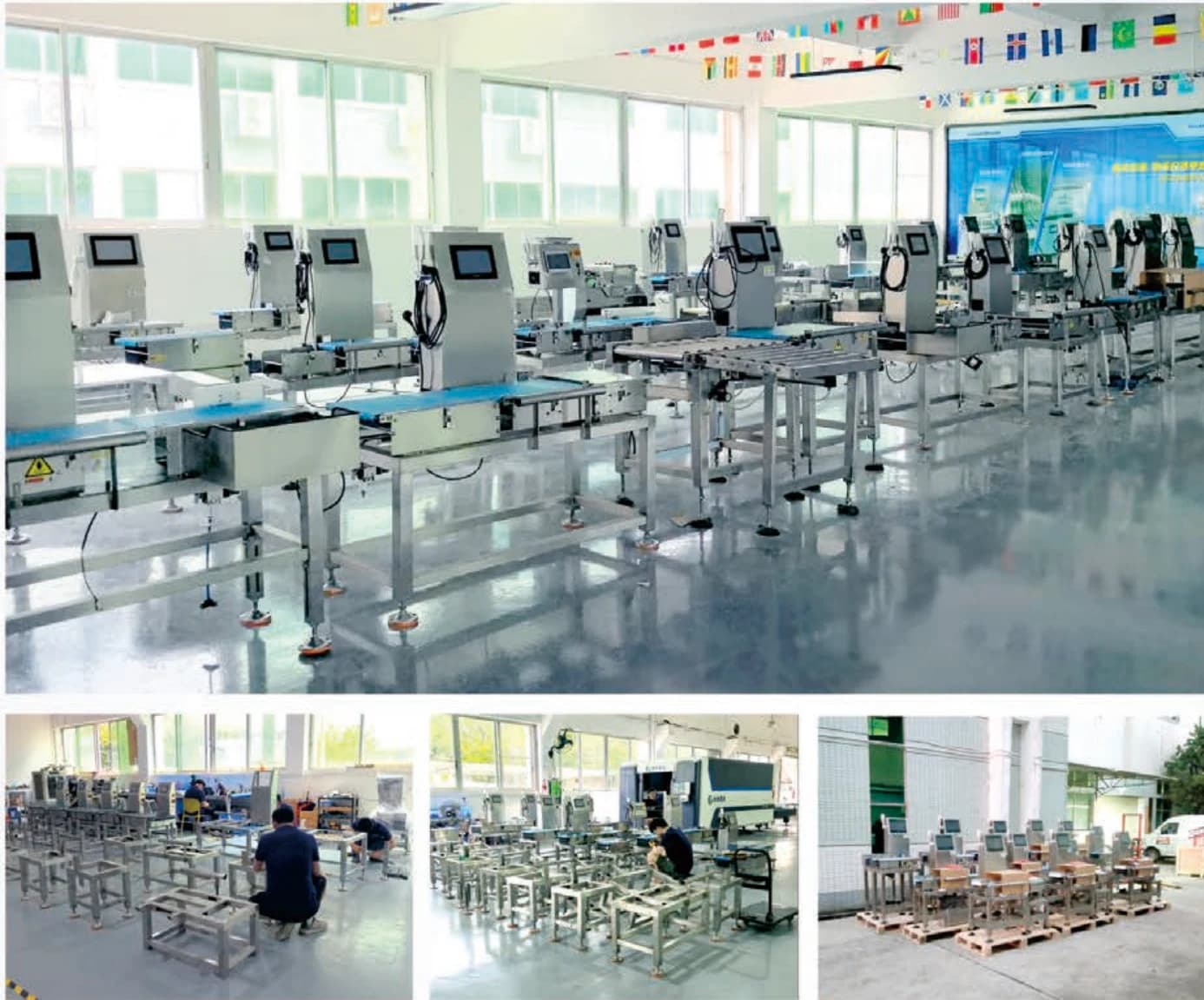
Own Factory · Seeing Is Believing
Guangdong Miqi designs, builds and tests every machine in-house — each unit is bench-tested before shipment. Free sample testing, on-site factory visits and live video of the running machine are all welcome.
Compare this model with other configurations in food X-ray inspection systems.
Further reading
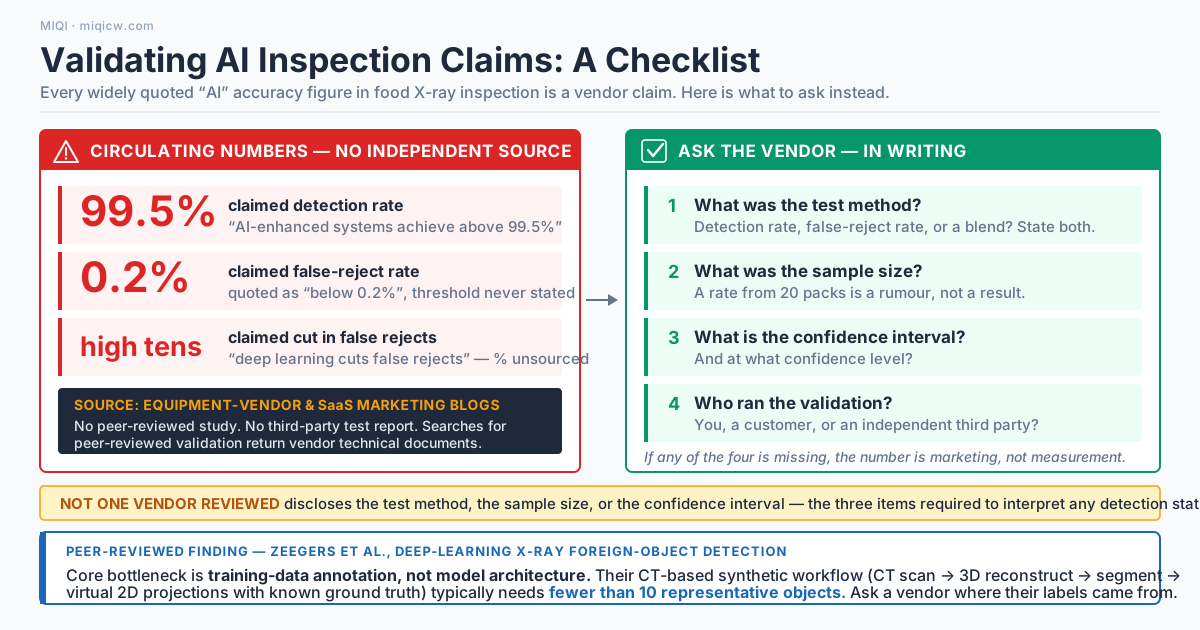
How to Validate a Vendor's AI Inspection Claims: The Questions Nobody Wants You to Ask
Evaluate AI food-inspection claims using a defined test method, representative samples, detection and false-reject results, and stated uncertainty. Learn what CT training-data research can and cannot prove, and prepare a product-specific acceptance test for an X-ray inspection supplier.
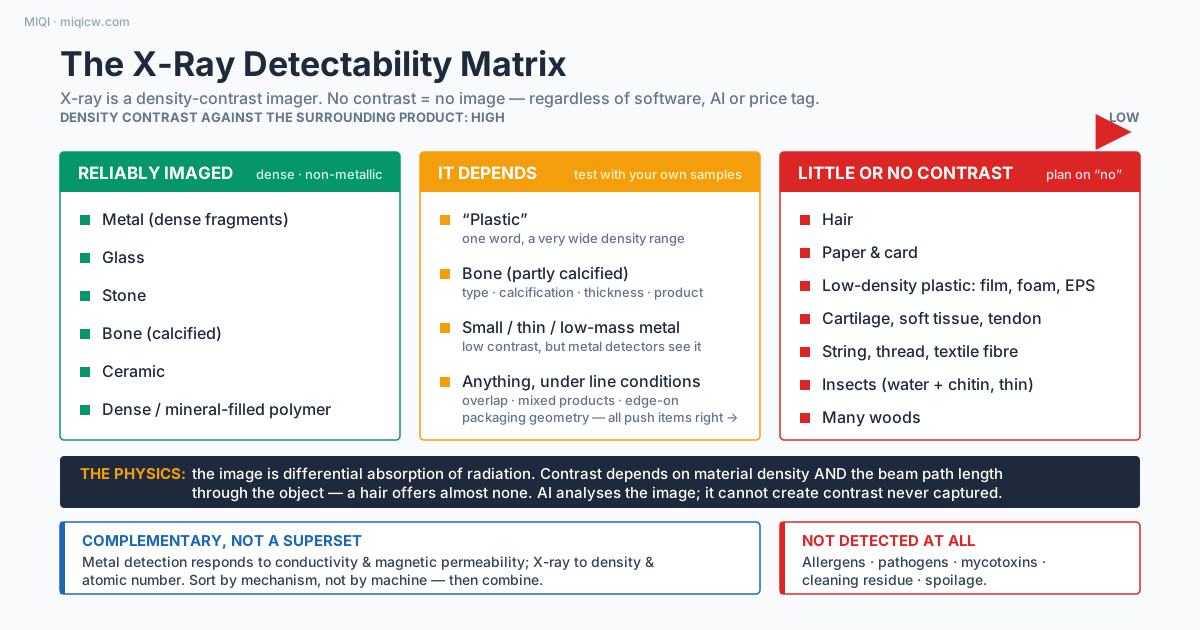
What X-Ray Inspection CANNOT Detect: An Honest Limitations Guide
Food X-ray inspection depends on measurable attenuation contrast, product thickness, material composition and system configuration. Review difficult contaminants, packaging and product geometry, then define controlled sample tests. Low-density materials need product-specific evidence rather than a blanket detection promise.
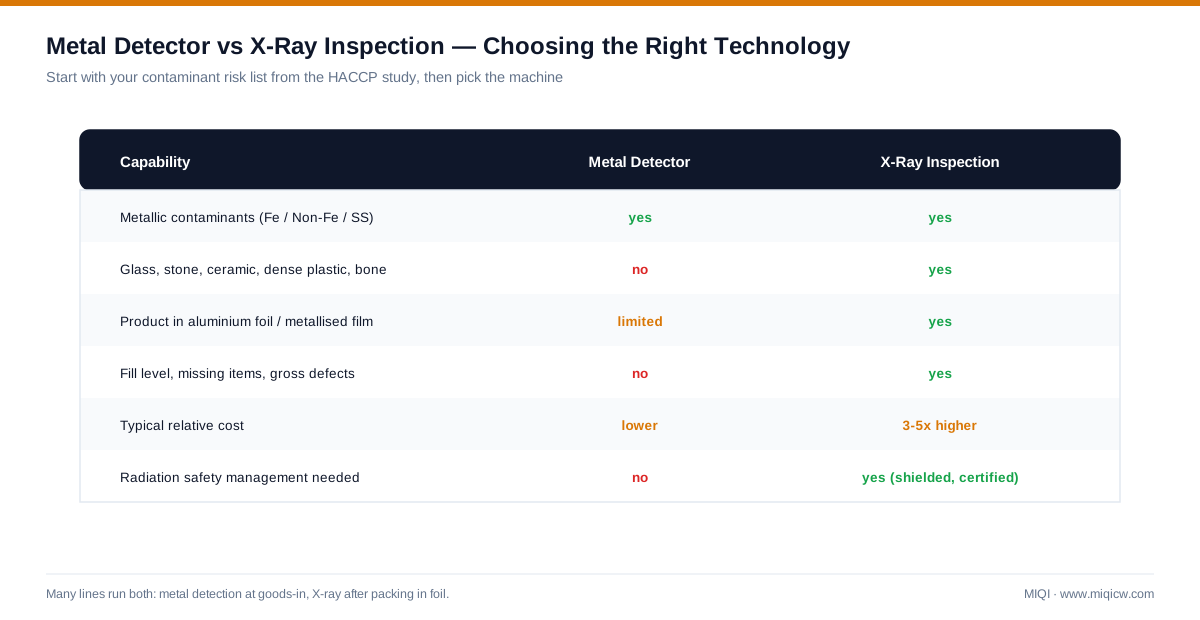
Metal Detector vs X-Ray Inspection: Which Food Inspection System Fits?
Metal detection is highly effective for metallic contaminants, while X-ray inspection responds to density contrast and may find glass, stone, ceramic and some dense plastics as well as metal. Packaging, product effect, contaminant risk, product thickness and required secondary checks decide the better technology.
Frequently Asked Questions
What is the price of High-Precision X-Ray Inspection System for Bagged Products (MQ-XR-P)?+
Pricing depends on the weighing range, rejection method, conveyor dimensions and selected options. Send the product weight, dimensions and line speed for a factory-direct quotation.
Does MIQI export X-Ray Inspection worldwide?+
Yes. MIQI ships worldwide with export packing, operating documents, configurable voltage and remote commissioning support. OEM branding and application-specific engineering are available.
Tell Us About Your Product
Share your product weight range, dimensions and line speed — our engineer replies within 24 hours with model recommendation and quotation.