Was FSMA 204 Really Delayed to July 2028? What Every Other Article Gets Wrong
FDA proposed July 20, 2028 as the extended Food Traceability Rule date; Congress subsequently directed non-enforcement before the same date. Understand the distinction, recordkeeping responsibilities and the separate role of inspection equipment using FDA’s current source statement.
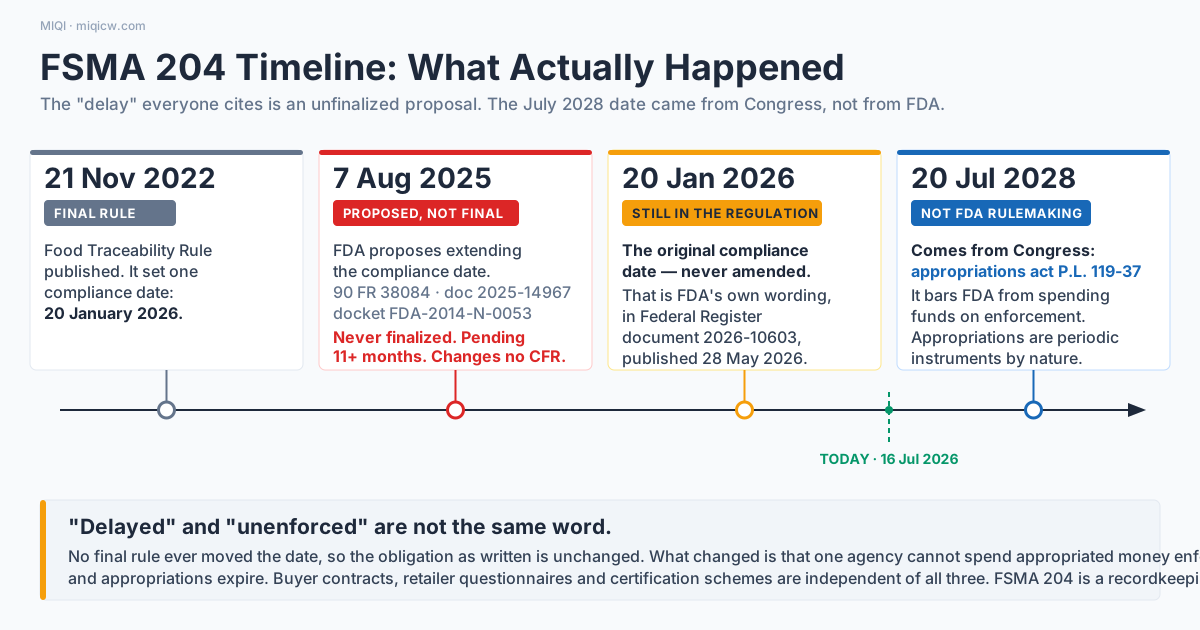
Source review, 6 September 2026: FDA’s current page says it proposed a 30-month extension from January 20, 2026 to July 20, 2028. It also says Congress subsequently directed FDA not to enforce the Food Traceability Rule before that same date, and FDA intends to comply. A proposed extension and a non-enforcement directive are distinct. Follow FDA’s current statement and confirm applicable customer obligations; do not claim the 2028 date originated only with Congress.
A traceability deadline does not determine the machine you need. Evaluate dynamic checkweigher models against your actual weight-control task, and read No, Your Checkweigher Is Not "FSMA 204 Compliant" — Here's the Regulation That Actually Applies to separate equipment performance from traceability records.
I am an engineer, not a lawyer, and I sell checkweighers, combination metal-detection/checkweighing systems and X-ray inspection machines for a living. So you should reasonably ask why I am writing about a recordkeeping rule. The answer is that the same confusion that produces "FSMA 204 was delayed to 2028" also produces "you need an FSMA 204 compliant checkweigher" — and one of those errors costs you a planning assumption, while the other costs you money on equipment bought for the wrong reason. Both are worth clearing up.
The Timeline, Stated Precisely
Here is the sequence, with each step labelled by what kind of legal instrument it actually is. This matters, because a proposed rule, a final rule and an appropriations rider are three different things with three different levels of durability.
Step 1 — The rule as written
FDA identifies January 20, 2026 as the original compliance date. Its current summary distinguishes that original date from the proposed extension and the later Congressional direction on enforcement. Keep a dated copy of the official status used in your project plan.
Step 2 — The proposed delay
FDA published its proposed compliance-date extension in August 2025. FDA’s current rule page describes a proposed 30-month extension to July 20, 2028, and says Congress subsequently directed FDA not to enforce the rule before that date. Check the current FDA page and linked rulemaking rather than treating an old article’s docket-status statement as permanent.
Step 3 — Where 20 July 2028 actually comes from
The chronology matters: FDA proposed July 20, 2028 before Congress directed non-enforcement to that same date. FDA’s public summary is the verified source used here for its implementation position. Any interpretation of the appropriations law’s wider legal effect requires the operative text and qualified advice.
Step 4 — It is still moving
Traceability planning should use FDA’s current rule page, FAQs and officially linked updates. This review does not rely on the previously cited May 2026 document number or claim that all rulemaking and implementation questions are settled. Keep the source and review date with the facility’s plan.
Why "Delayed" and "Unenforced" Are Not the Same Word
This is the whole point of the article, so let me be blunt about the practical difference.
If a compliance date has been formally moved by a final rule, the obligation itself has moved. There is a new date in the regulation, and everyone — FDA, courts, your customers, your auditors — reads the same new date.
If a compliance date is untouched but enforcement is defunded by an appropriations act, the obligation as written is still the obligation as written. What has changed is that one particular agency cannot spend appropriated money enforcing it during the period the act covers. Appropriations are periodic instruments by nature. And the enforcement posture of a federal agency is not the only force acting on you: your buyer's supplier agreement, a retailer's onboarding questionnaire, a third-party certification scheme, or a customer's own traceability program can all reference the rule regardless of what FDA's budget says.
A defensible plan separates the published regulatory text, FDA’s proposed extension and its current enforcement statement, and any customer or contract deadline. Record the official page and review date used for your decision. Your compliance team should resolve any difference between those obligations before a project is postponed.
Common Misconception vs. Fact
Misconception: July 2028 came only from a Congressional funding restriction. Fact: FDA had already proposed July 20, 2028; Congress subsequently directed non-enforcement before that same date. Use both parts of the chronology when describing the current position.
A proposal and an enforcement direction are different legal mechanisms. FDA’s current statement is the practical starting point; do not infer the current CFR text or a future final-rule status from an older summary. Keep traceability implementation and legal review moving in parallel.
Misconception 3: "Nothing will change before 2028, so we can stop watching." Fact: lot-level tracking flexibility is unresolved and Congress has directed FDA to engage with industry quarterly. The file is open.
Misconception 4: "We need an FSMA 204 compliant checkweigher / metal detector / X-ray machine." Fact: FSMA 204 imposes zero requirements on equipment. It is a recordkeeping rule. There is no such thing as an FSMA 204 compliant machine, and any vendor — including us — claiming otherwise is making a claim that does not stand up.
Do not use the Food Traceability Rule as the basis for a net-content equipment requirement. Net quantity has separate requirements, including 21 CFR 101.7 and applicable package-testing procedures such as NIST Handbook 133. The former 101.105 was redesignated as 101.7. Identify the actual applicable provision and product jurisdiction in the purchasing brief.
Then Which Regulation Actually Touches My Inspection Line?
21 CFR Part 117 contains equipment and process requirements, including sanitary design and adequate measures against metal or other extraneous material in section 117.80(c)(8). It does not universally require every food line to buy a particular metal detector, X-ray system or checkweigher. Selection and validation depend on the applicable rules and the facility’s hazard analysis.
That is by design. Part 117 asks you to analyse your hazards and implement preventive controls where a hazard requires one. Whether a metal detector is the control, whether it is monitored, at what frequency, with what verification, and what records you keep — all of that flows out of your own hazard analysis. It does not flow out of a vendor's spec sheet. So when a salesperson tells you the regulation requires his machine, he is either mistaken or hoping you won't check. The regulation requires you to think; the machine is one possible answer to that thinking.
This has a useful implication when you buy: stop asking vendors "is it compliant?" and start asking "can it produce the evidence my hazard analysis says I need?" Those are very different questions, and the second one is answerable.
A Checklist You Can Run This Week
1. Open FDA’s current Food Traceability Rule page and the linked regulatory documents. Record the scope, applicable exemptions, current date statement and the date of your review.
2. Recheck the rulemaking and FDA guidance before changing the implementation schedule. Update the plan when an official final rule, enforcement statement or relevant customer requirement changes.
3. Have counsel read P.L. 119-37 directly. Confirm the enforcement-funding mechanism and the section reference from the enrolled text, since the section number is reported via a CRS report rather than read from the primary source.
4. Separate FDA enforcement risk from contractual risk. Search your customer agreements and retailer onboarding documents for traceability language. Those obligations do not care about FDA's appropriations.
5. Delete "FSMA 204" from your equipment specifications. It does not belong there. Replace it with what you actually need: hazard type, detection target, throughput, records retention, data output format.
6. Rebuild your equipment requirements from Part 117 instead. Start from the hazard analysis, decide the control, then specify the machine that can monitor, verify and record that control.
7. If net weight matters to you, open the correct file. FPLA, 21 CFR 101.7(q), NIST Handbook 133. Not FSMA. This is a different department of your compliance program and should have a different owner.
8. Track the lot-level flexibility discussion. Congress has directed quarterly FDA-industry engagement; the outcome may change your data model, which is far more expensive to retrofit than a machine.
9. Write your internal position in the precise language above. When an auditor or a buyer asks, the precise version protects you and the sloppy version does not.
Where Equipment Genuinely Helps — Stated Without Overclaiming
None of the above means inspection and weighing equipment is irrelevant. It means the justification has to be honest. If your hazard analysis identifies a physical-hazard control point, the machine is how you execute and evidence it. If your customer contract demands per-lot records, the machine's data output is how you produce them without a clipboard.
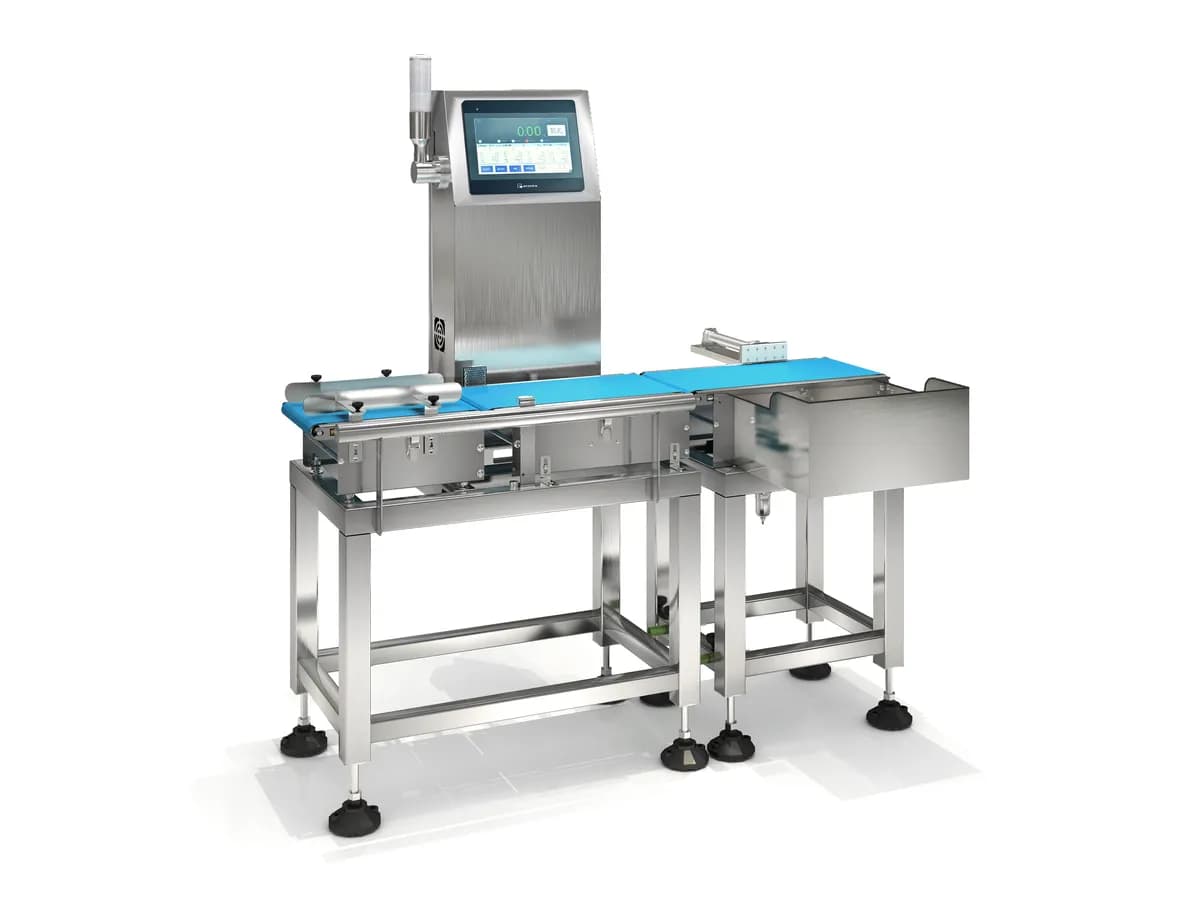
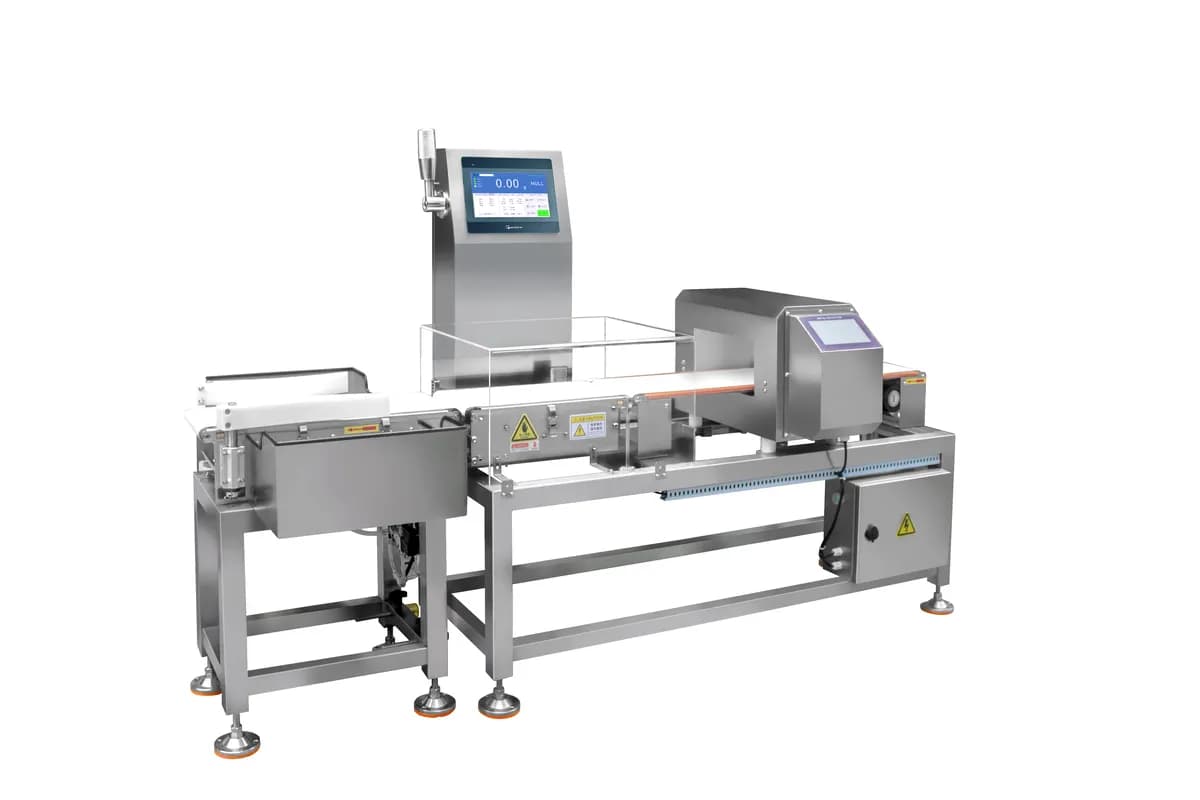
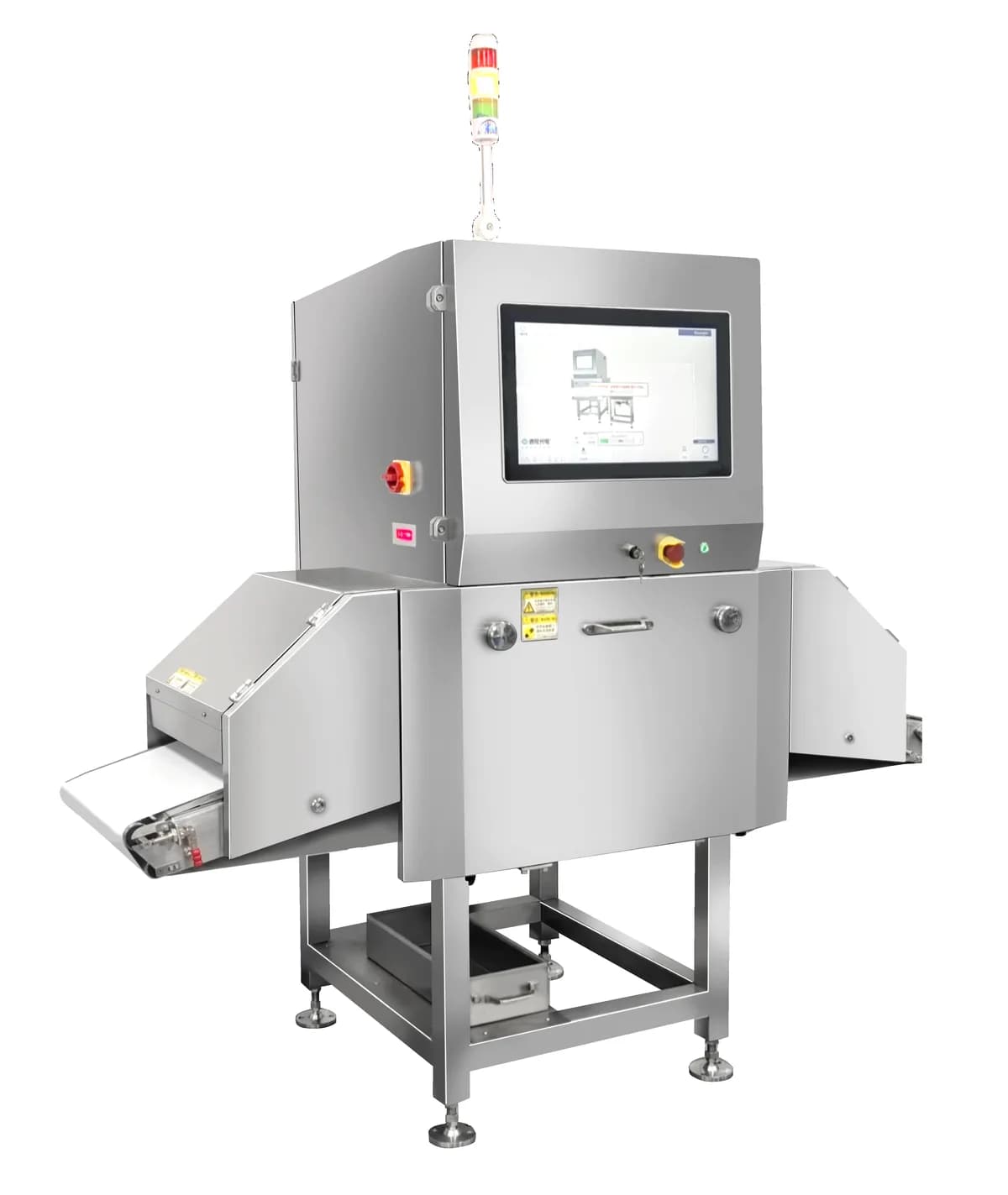
At MIQI we build to that logic rather than to a regulatory buzzword. The MQ-CW4523L3 checkweigher covers general in-line weight checking. The MQ-MCL4530L2 combines metal detection and checkweighing in one frame, which is what you want when floor space is tight and both a physical-hazard control and a weight check sit at the same station. The MQ-XR bagged-product X-ray inspection system addresses foreign objects that metal detection cannot reach — with the honest caveat that X-ray is a density-contrast technology and low-density objects remain a structural limitation of the physics, not a marketing problem to be waved away.
We are a source factory with nine product series and 44 models, and we support free sample testing and non-standard customization. We will also tell you plainly what we do not have: MIQI has not yet obtained CE or ISO 9001 certification, and we do not imply otherwise. We would rather you hear that from us than discover it during your vendor audit. And we will never put "FSMA 204 compliant" on a quotation, because no machine can be.
The Bottom Line
Keep traceability implementation, hazard controls and net-content testing as separate workstreams. FDA’s current position combines a proposed extension with a Congressional non-enforcement direction to July 20, 2028. Check official updates and customer commitments before changing project dates. Inspection-machine performance does not by itself establish traceability compliance.
If you want to talk through which inspection or weighing configuration your hazard analysis actually justifies — including the cases where the answer is that you do not need to buy anything — reach us on WhatsApp at +86 152 1890 9599 or by email at 897874196@qq.com. Ask for Engineer Cai. Send us your product and we will run a free sample test before you commit to anything.
Technical references
- FDA: Food Traceability Rule and current compliance-date statement
- FDA: Food Traceability Rule frequently asked questions
- 21 CFR 117.80: Processes and controls (2025 annual edition)
- 21 CFR 101.7: Declaration of net quantity (2025 annual edition)
- NIST Handbook 133: Current edition and package-testing procedures