EU €3 Small-Parcel Duty: Tariff Categories, Packing Records and Weight Checks
The EU €3 small-parcel duty follows tariff item categories, not physical piece count. Learn how to connect a correct packing list, SKU classification, parcel identity and measured shipping weight without confusing a weighing record with a customs calculation.
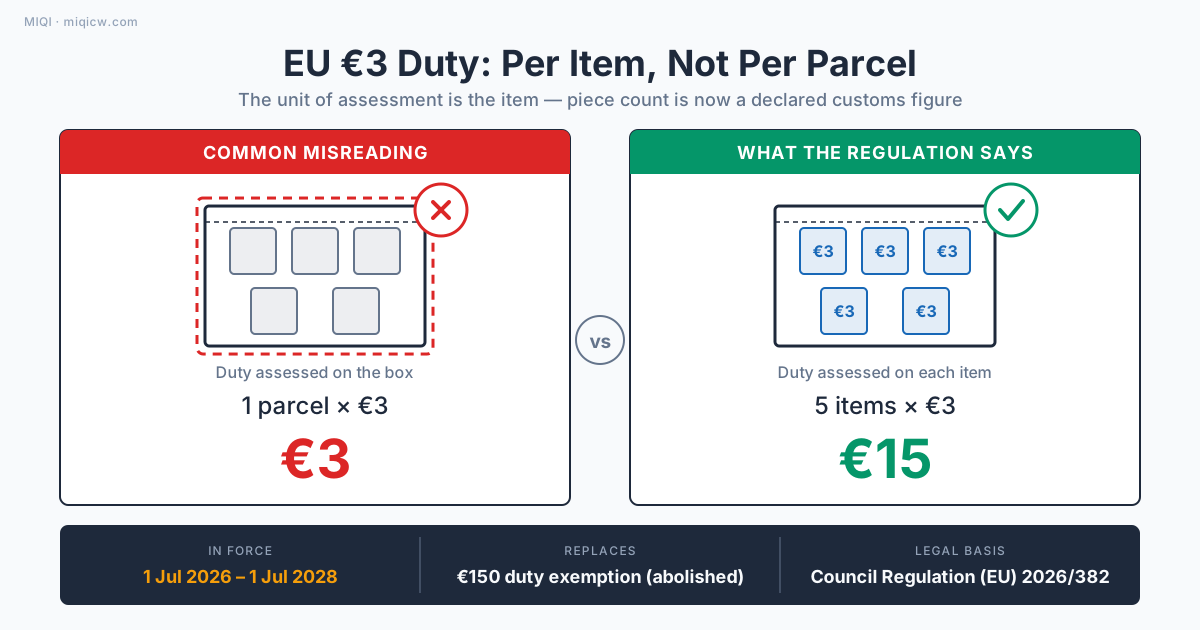
Since 1 July 2026, the EU transitional €3 duty for eligible low-value consignments is assessed by distinct tariff item category, not by the number of physical pieces. The Commission gives this example: five T-shirts in one classification attract €3; three T-shirts plus a watch in two classifications attract €6. A six-piece parcel therefore does not automatically mean €18. Confirm the declaration route, value threshold and tariff classification with your customs representative.
Customs classification comes from the shipment records, not from a scale reading. Use in-motion logistics weighing systems to capture actual mass, and read In-Motion Parcel Weighing and DWS Integration: What Each Module Does to associate that measurement with parcel identity without treating it as a tariff classification.
What actually changed on 1 July 2026
The former €150 duty-relief threshold was removed. The interim €3-per-category arrangement applies during the transition from 1 July 2026 to 1 July 2028 and may be extended. Eligibility depends on the legal import arrangements; VAT and other charges are separate questions.
For budgeting, first identify the applicable customs categories in each parcel. Do not multiply the physical unit count by €3. Keep quantity and value accurate as declaration data, but the tariff-category count is a different field from warehouse piece count.
Tariff category, SKU and physical piece are different data fields
A useful shipment record connects SKU, product description, quantity, value, approved tariff code and parcel ID. The packing line supplies physical evidence; the classification process supplies the tariff code. Neither record replaces the other.
1. Count errors are now money errors in both directions
A missing product category can understate duty, while an incorrect split into categories can overstate it. A missing physical piece is still a fulfilment error, but it does not necessarily change the category count. Investigate these two error types separately.
2. The unit of account has to be defined before it can be counted
Different warehouse SKUs do not necessarily have different tariff classifications. Sets, bundles and promotional goods require classification review using their composition and presentation. Obtain a written classification basis rather than treating every item on a pick list as another €3 charge.
3. Count has to be captured where the pieces are, not reconstructed later
Capture the actual contents before sealing and associate them with the parcel ID. Barcode scans and verified pack records can help reconcile the declared contents. A checkweigher can flag some mass discrepancies, but cannot identify an HS classification or prove the identity of every item.
The volume picture behind the policy
The Council and Commission identify rapid growth in low-value e-commerce imports as the policy context. Shipment totals are background information; they are not an input to an individual parcel’s duty calculation.
For a factory, the practical task is to supply accurate product descriptions and shipment records to the seller, importer and customs representative. Keep the responsible declarer and the record owner explicit; a machine-generated weight record is supporting evidence only.
Keep EU and US import rules separate
US de minimis rules are a separate legal framework. Do not apply the EU €3 formula to US shipments or infer one jurisdiction’s exemption from the other. Check current CBP instructions for a US-bound shipment.
This guide does not calculate US duties. Maintain a destination-specific rule version in your shipping system and have the customs owner approve changes before they affect quotations.
Common misconceptions vs. facts
Misconception: every physical piece adds €3. Fact: the interim calculation uses distinct tariff item categories. Consolidation can change the number of separately assessed consignments, so model actual shipment structure with your broker rather than assuming either universal savings or no savings.
Misconception: "Under €150 is still duty-free." Fact: the €150 duty exemption has been abolished. The rule of thumb that governed a decade of shipping strategy has expired.
Your broker handles classification and declarations using the information supplied. The factory must keep physical quantities and product descriptions accurate. These obligations support one another; weighing cannot replace a customs classification decision.
For margin analysis, calculate duty at parcel/category level and allocate it to the order using a documented method. Do not automatically add €3 to the cost of every low-price physical unit.
Misconception: "It's temporary, so wait it out." Fact: the €3 rate is temporary (to 1 July 2028); the abolition of the €150 exemption is not framed as a two-year experiment that restores itself. Waiting out the rate is plausible; waiting out the loss of the exemption is a bet.
Where item counts actually break on a real line
Common pack-record failures include unrecorded inserts, mixed-up labels, split orders and manual rework after sealing. Count-by-weight is an estimate that needs validation against real unit-weight variation. A discrepancy may change quantity, classification, or neither; reconcile the actual goods before amending a declaration.
A practical pre-shipment checklist
1. Confirm eligibility and tariff classification with the customs owner. 2. Map approved codes to SKU descriptions. 3. Record actual quantity, value and parcel ID. 4. Reconcile inserts, bundles and split shipments. 5. Validate any count-by-weight method with counted samples. 6. Estimate duty using the applicable category count, not physical pieces. 7. Compare sample declarations with the packed goods. 8. Retain the classification decision and shipment evidence together.
Where equipment fits — and where it does not
No packing or weighing machine determines the customs classification or guarantees customs compliance. Its useful role is a measured process record that can be reconciled with the declared shipment.
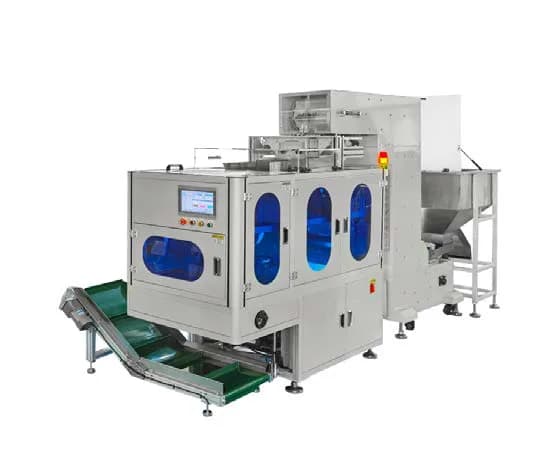
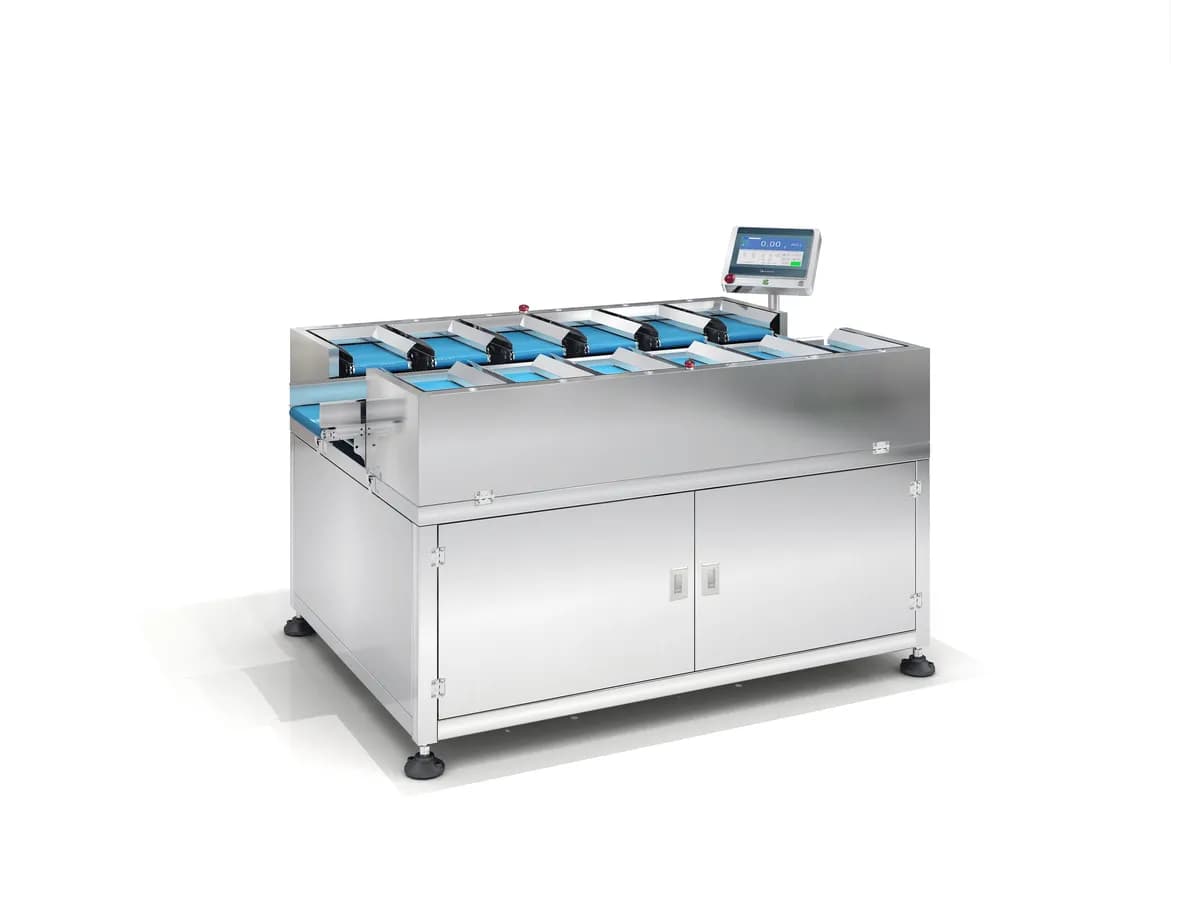
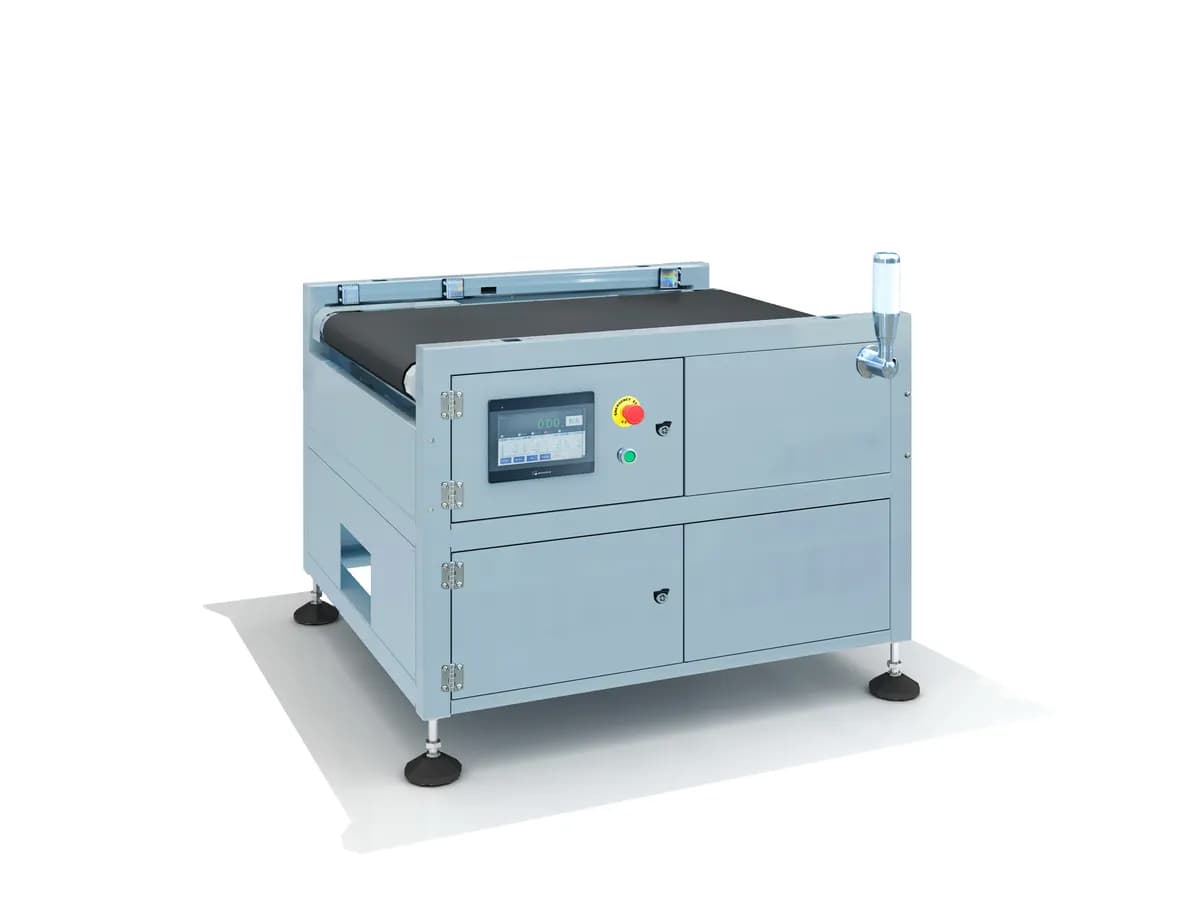
The MQ-MW2512B12 is a belt-fed combination weighing system; do not assume it is an optical piece counter or an HS-classification device. MQ-CP-35 packing suitability and any counting method need a sample trial and an agreed configuration. MQ-CW12080S60 can provide a shipment gross-weight check; a matching weight alone cannot prove the exact contents.
MIQI is a source factory with nine product series and 44 models, and we support free sample trials on real product and non-standard customisation. If your SKU is awkward — sticky, static-prone, mixed-density, irregular — send it and we will run it rather than quote from a datasheet. A note on candour, since this article is about not overclaiming: MIQI has not yet obtained CE or ISO 9001 certification, and we will not imply otherwise. If your import route requires certification, tell us early and we will say plainly what we can and cannot support.
What still needs verifying
Before implementation, confirm the current import procedure, product classification and treatment of sets with the competent customs party. The verified correction is clear: the €3 rule must not be modelled as physical piece count × €3. Equipment selection should follow the actual weighing, filling or count-verification task.
If you want to work through your own line — where your count is inferred, where it is measured, what it would take to close the gap — talk to us. WhatsApp +86 152 1890 9599, or email 897874196@qq.com. Send your product spec and EU-bound SKU list and we will look at the counting problem before we talk about a machine. — Engineer Cai, Guangdong Miqi M&E Technology Co., Ltd.