Metal Detector vs X-Ray Inspection: Which Food Inspection System Fits?
Metal detection is highly effective for metallic contaminants, while X-ray inspection responds to density contrast and may find glass, stone, ceramic and some dense plastics as well as metal. Packaging, product effect, contaminant risk, product thickness and required secondary checks decide the better technology.
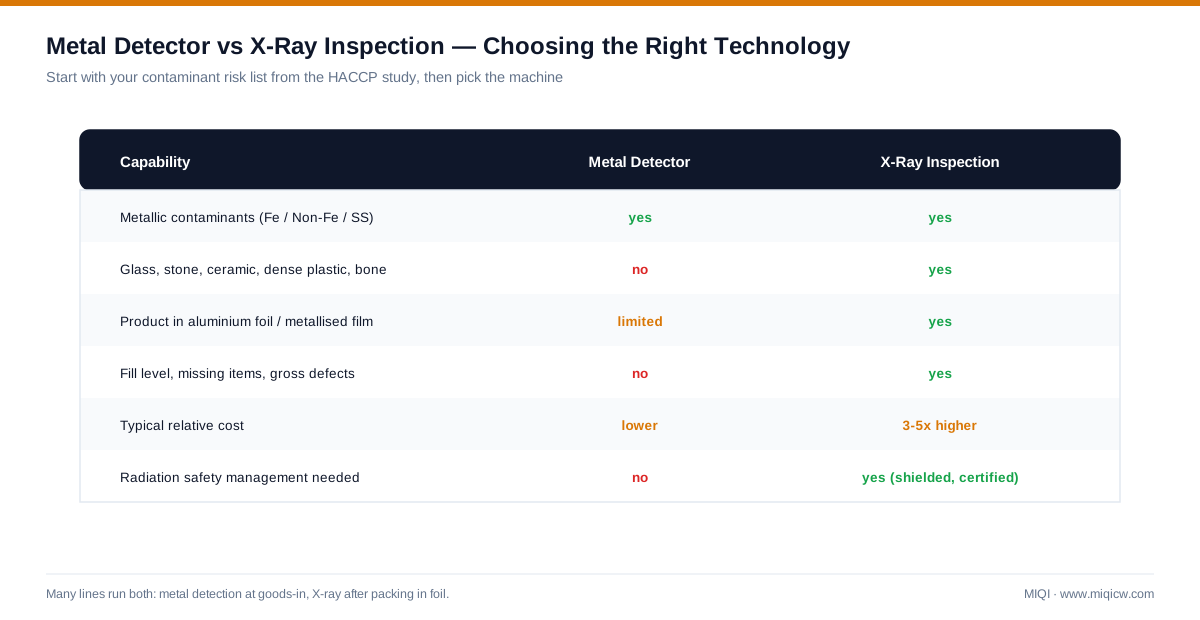
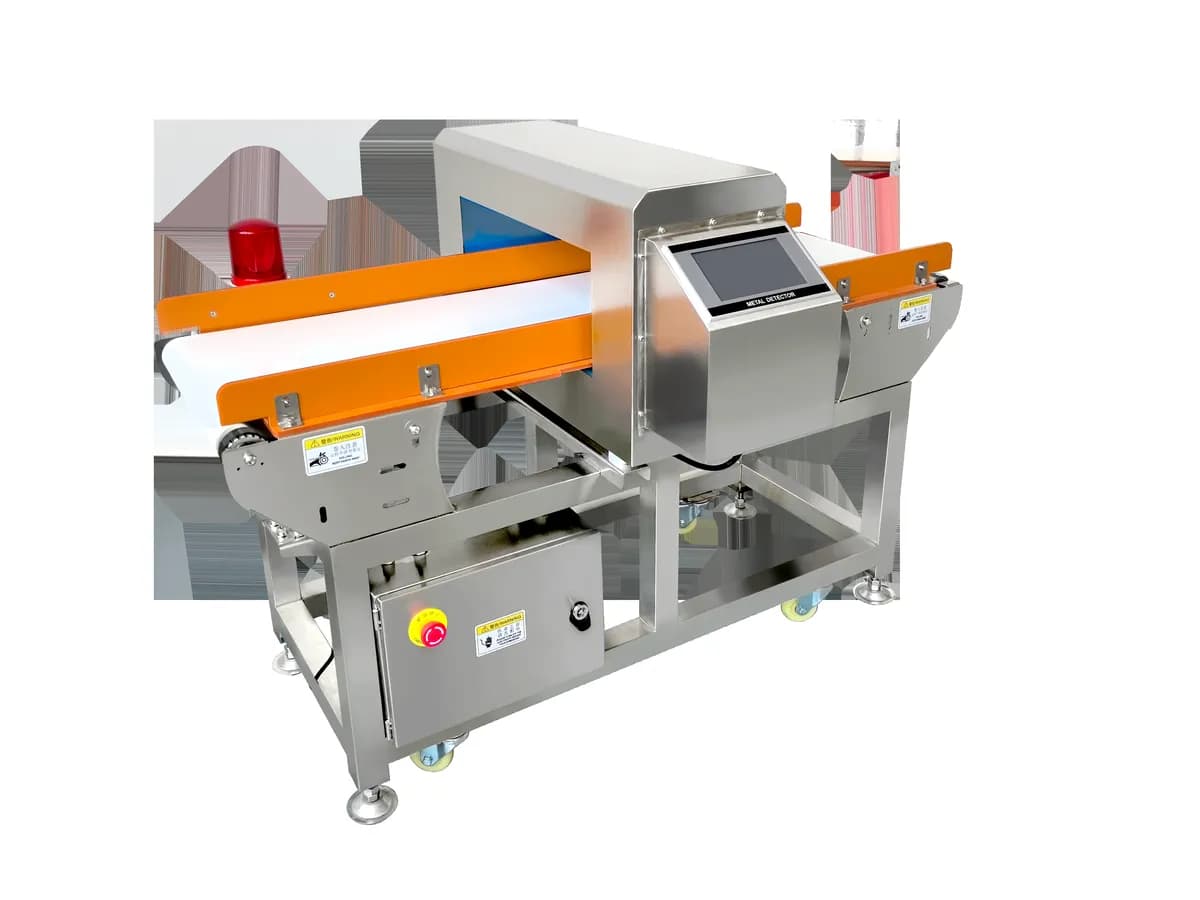
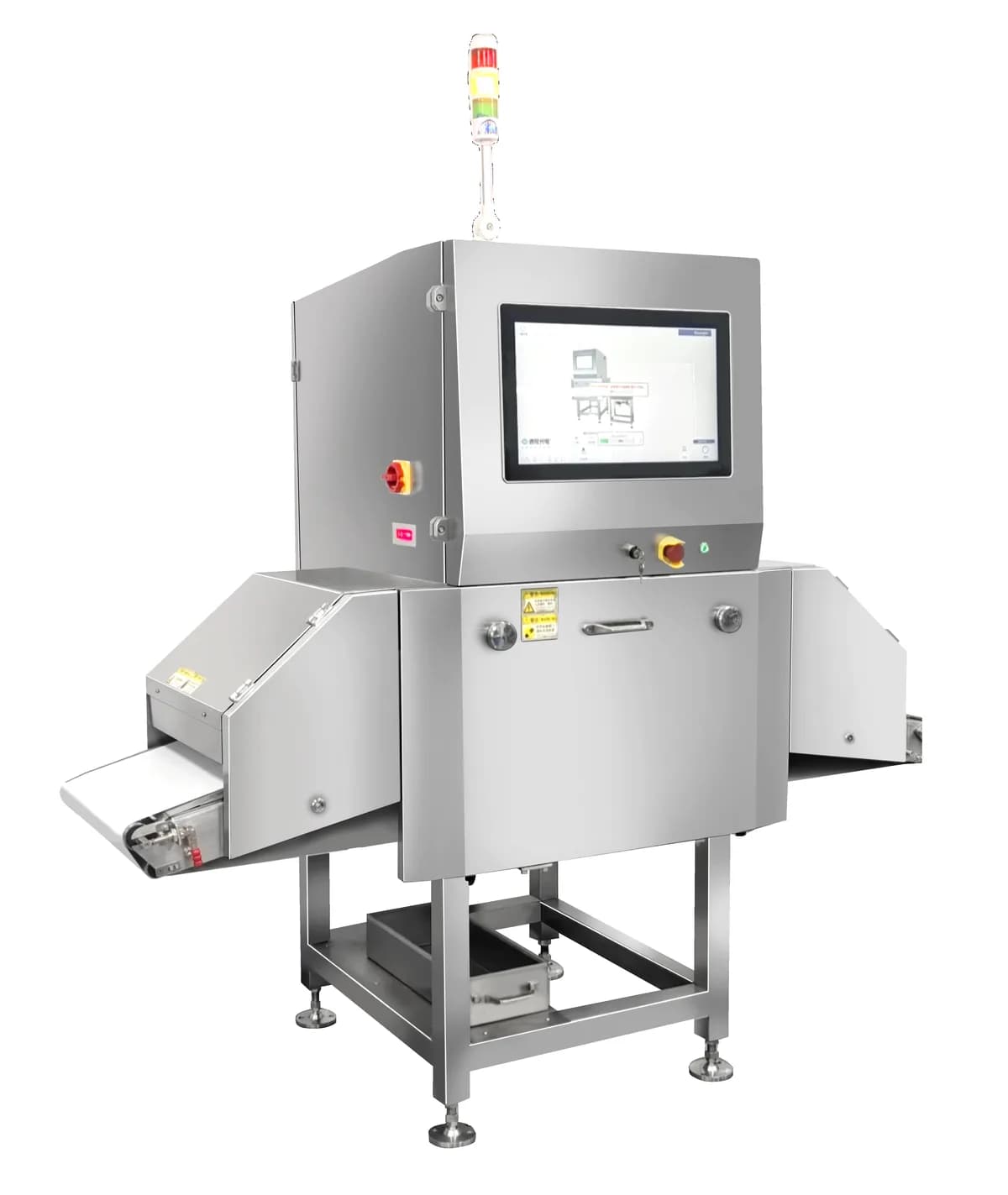
Choose the technology from the hazard and product, not from a general claim that one machine is more advanced. A balanced-coil food metal detector looks for electromagnetic disturbance caused by metal. A food X-ray inspection system creates an image from differences in X-ray absorption, so it can detect some dense non-metal contaminants but may miss low-density materials that look like the product.
Compare food metal detection systems with food X-ray inspection systems using the same contaminant, package and line-speed requirements. What X-Ray Inspection CANNOT Detect: An Honest Limitations Guide gives the detection limits to include when planning representative product trials.
Capability comparison
| Question | Metal detector | X-ray inspection |
|---|---|---|
| Ferrous and non-ferrous metal | Strong capability | Usually detectable when dense enough relative to product |
| Stainless steel | Detectable; product effect and aperture matter | Often detectable; size, density and product thickness matter |
| Glass, mineral stone, dense ceramic | Not detected | Potentially detectable when density contrast is sufficient |
| Low-density plastic, wood, hair, insects | Not detected | Often difficult or impossible |
| Metallized film / foil package | Requires a validated specialist approach | Often a practical reason to evaluate X-ray |
| Product mass, shape or count checks | Not an image-based function | Possible when software, product and image contrast support it |
When a food metal detector is the stronger choice
Use metal detection when metallic contamination is the defined hazard, the package is compatible, achievable sensitivity meets the validated requirement and the line needs a simpler inspection footprint. Conveyor, free-fall and specialist foil configurations address different product flows; one aperture cannot be assumed to cover them all.
When X-ray inspection deserves a product trial
Evaluate X-ray when the hazard includes glass, stone or dense ceramic, when metallized packaging prevents a conventional detector from meeting the target, or when the same image may support additional product checks. Detection is not universal: contaminant density, thickness, orientation, product depth, package overlap and image processing all matter.
Why a capability matrix is not a guarantee
A tiny glass fragment inside a dense, thick product can be harder than a larger fragment in a uniform snack bag. Bone composition varies. Aluminium can be difficult if it is thin and aligned with the beam. The only responsible selection method is to list the real hazards, obtain representative contaminants or approved test samples, and run product tests at production conditions.
Can a line use both technologies?
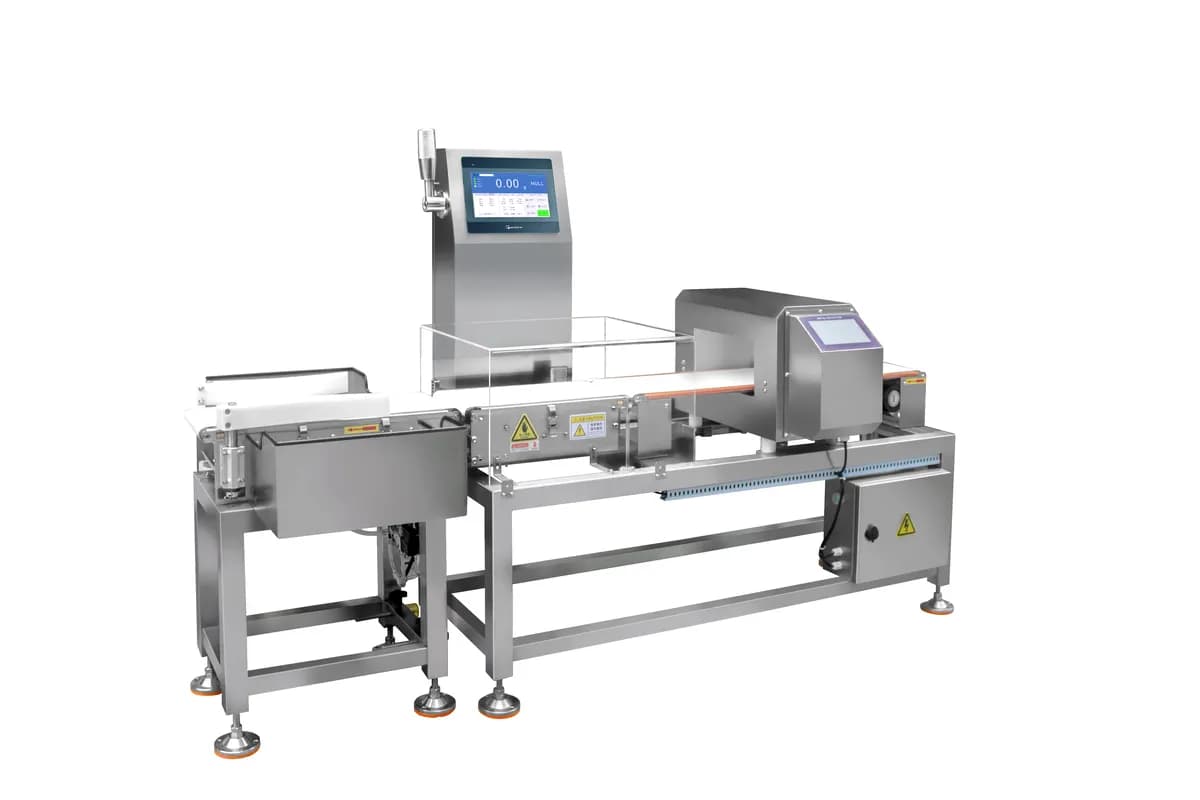
Yes, when the hazard analysis and product justify independent controls. A checkweigher-metal-detector combination is also common when weight compliance and metal control are both required. The equipment sequence, reject paths and test access must be engineered so each function can be verified.
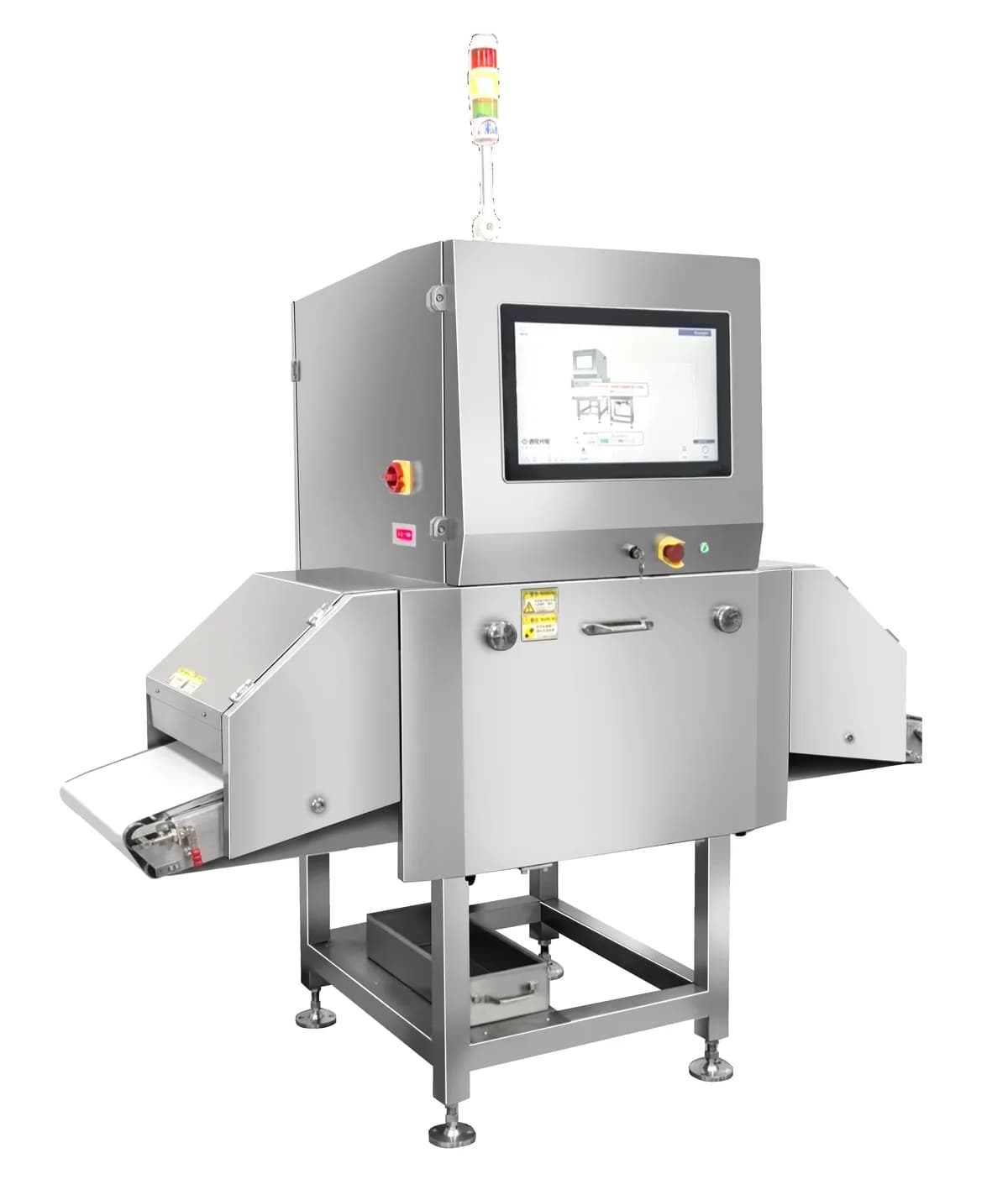
MIQI's MQ-XR and MQ-XR-P catalogue describes Sooview software and the ZeroShot-SvDetector deep-learning configuration. That description does not prove a universal AI detection rate or detection of every low-density contaminant. Confirm the supplied software version and validate the real product; the cited catalogue does not establish dual-energy or pipeline capability.
Continue your equipment evaluation
Compare food metal detector systems — match product flow and packaging
Food X-ray inspection models — review documented bag-inspection ranges
What food X-ray cannot detect — understand density and orientation limits